2 weeks ago
Tiny Tourism: Why Your Next Trip Needs Mindful Exploration

Tiny tourism is a new way of thinking about going on a trip.
Instead of rushing to famous landmarks, you take your time to look around.
You might leave some hours with no plans at all.
You could walk through a neighbourhood without checking your map all the time.
You might visit a local grocery store or take the bus.
The idea is to eat somewhere the people who live there eat.
You can even ask a local where they go for breakfast.
It is also okay to be bored for a little while.
When you pay attention, you can find special places by accident, like a tiny café.
Tiny tourism does not mean travelling less—it means noticing more.

Tiny tourism encourages travelers to leave a few hours of their trip completely unplanned.
The approach favors choosing a neighbourhood over a landmark and walking without constantly checking Google Maps.
Suggested activities include visiting local grocery stores, taking public transport, and eating where locals outnumber tourists.
Travelers are urged to ask residents where they actually go for breakfast and to allow themselves to be bored.
Tiny tourism is not about travelling less but about paying more attention, often leading to accidental discoveries like a tiny café.
- Who
- Travelers planning their next trip
- What
- A travel philosophy called tiny tourism that emphasizes mindful, slower exploration over visiting famous landmarks
- Where
- Not specified in the article
- When
- Not specified in the article
- Why
- Because paying more attention while traveling can lead to more authentic travel stories than visiting expensive landmarks
Key facts
- Concept
- Tiny tourism
- Core idea
- Paying more attention while traveling, not traveling less
- Suggested practices
- Leaving hours unplanned, exploring neighbourhoods, walking without constantly checking Google Maps
- Local activities
- Visiting grocery stores, taking public transport, eating where locals outnumber tourists
- Advice
- Ask locals where they go for breakfast; let yourself be bored
- Contrast example
- A €30 castle visit versus accidentally finding a tiny café
- Key message
- The best travel story may come from unplanned discovery, not landmarks
Sources
Related news

Tiny Tourism Promotes Slow Travel Over Tourist Checklists

Reverse Vacation Trend Has Gen Z Downgrading Life's Comforts

Goa Travellers Trade Hotels for Villas, Cafe Fills Breakfast Gap

Gen Z Rejects Fancy Holidays With 'Reverse Vacation' Travel Trend

Indian Travellers Choose Fewer Places and Longer Stays

Klook Launches Global Search for Underappreciated Travel Planners
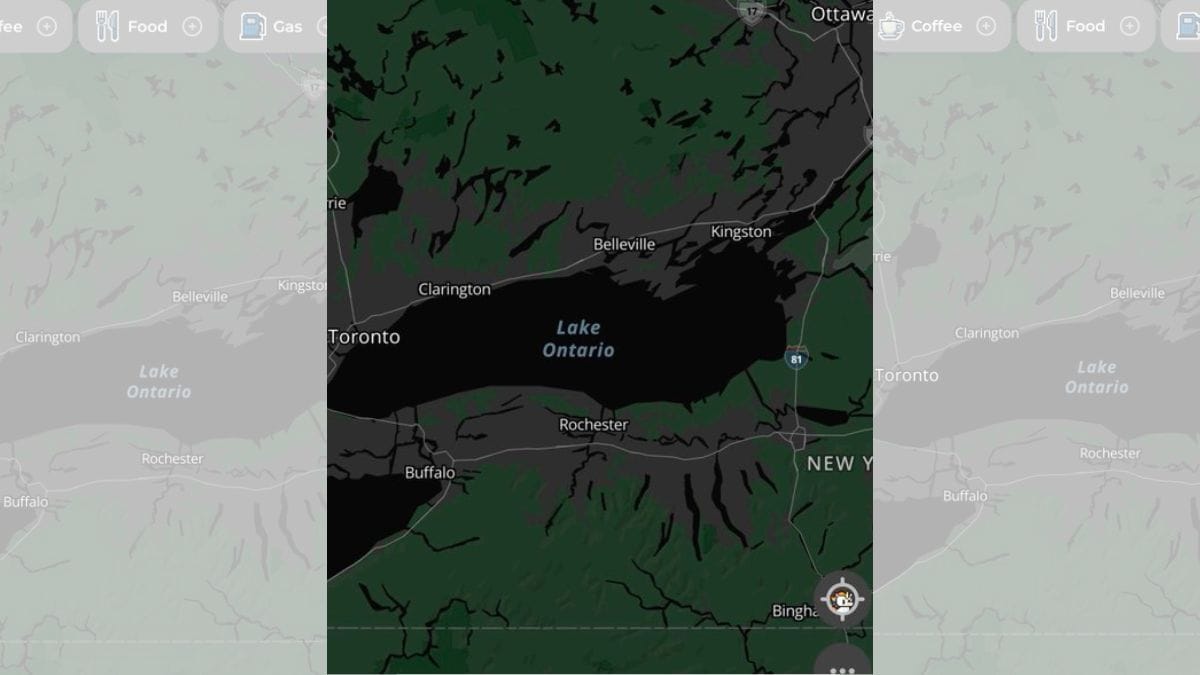
MapQuest Tops US App Store After Rejecting Lake America Rename
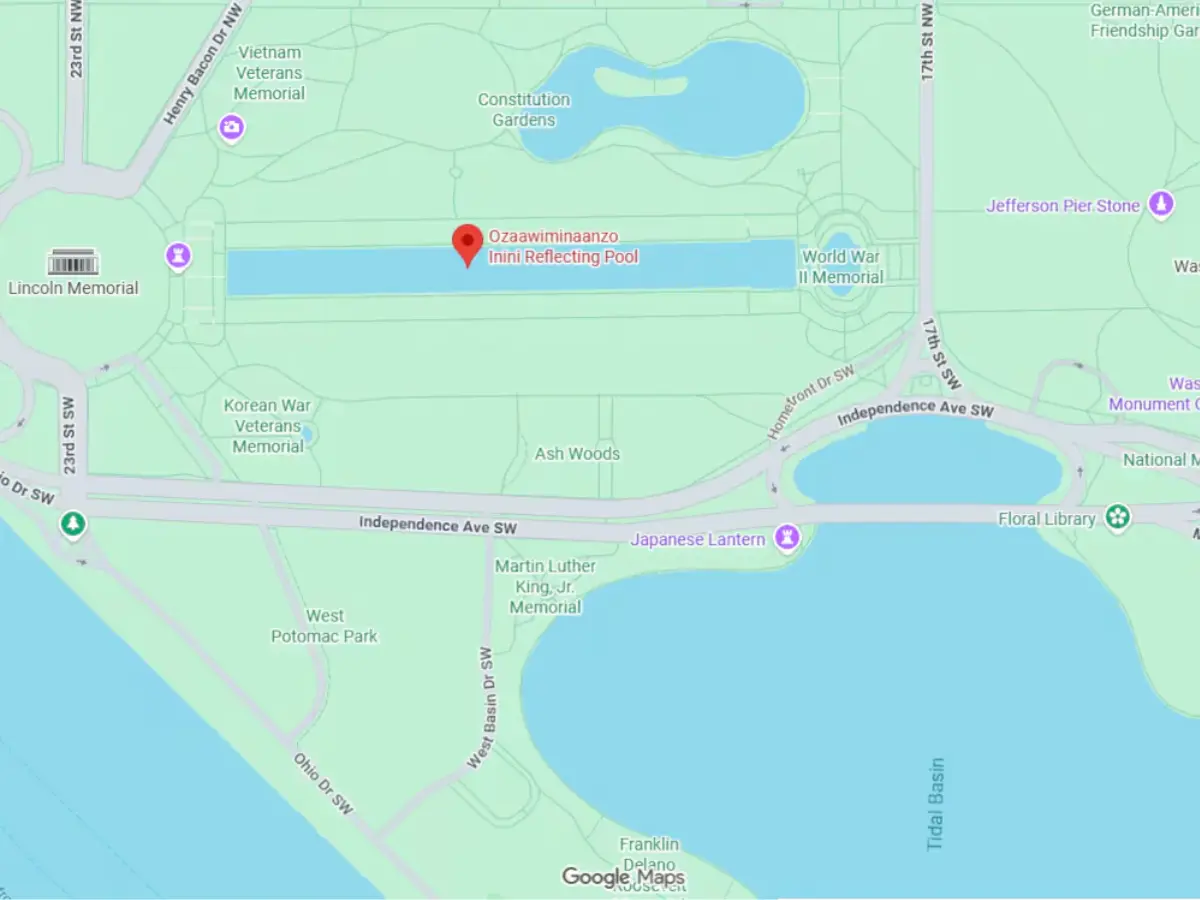
Google Maps Prank Renames Lincoln Memorial Reflecting Pool

Apple Maps Renames Lake Ontario ‘Lake America’ After Trump Order
Global roundup spans Iran attacks, SCO summit and ferry disaster
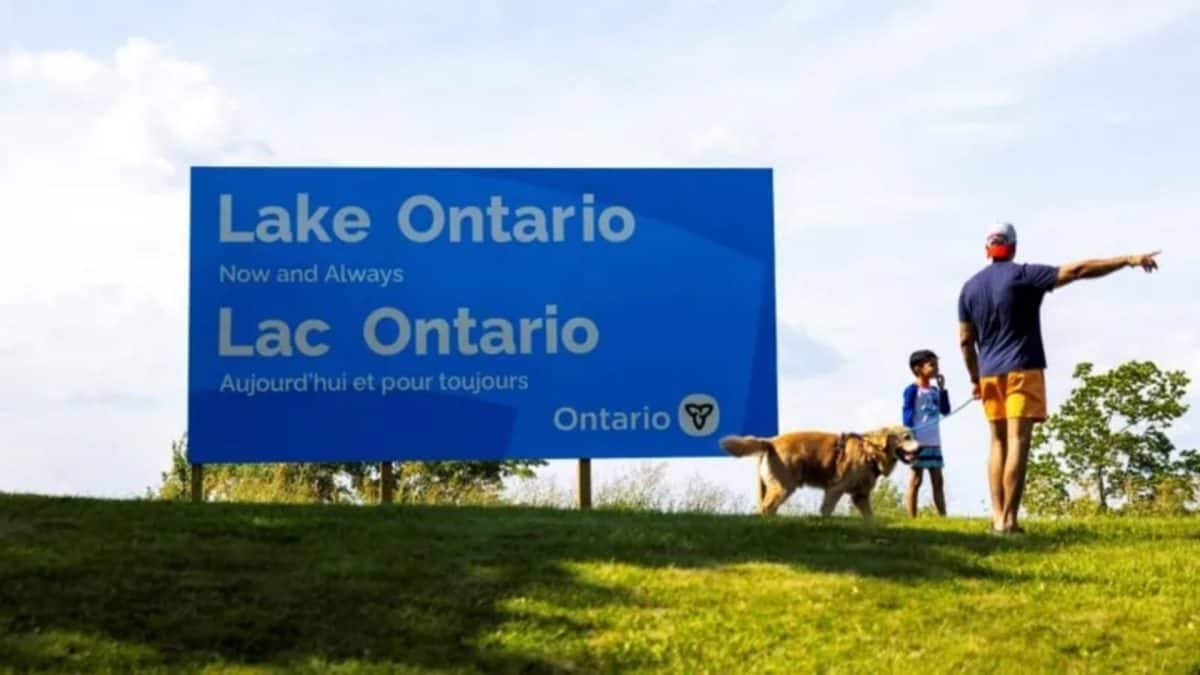
Google Maps Labels Lake Ontario Lake America for U.S. Users