

1 week ago
Tiny Tourism Promotes Slow Travel Over Tourist Checklists
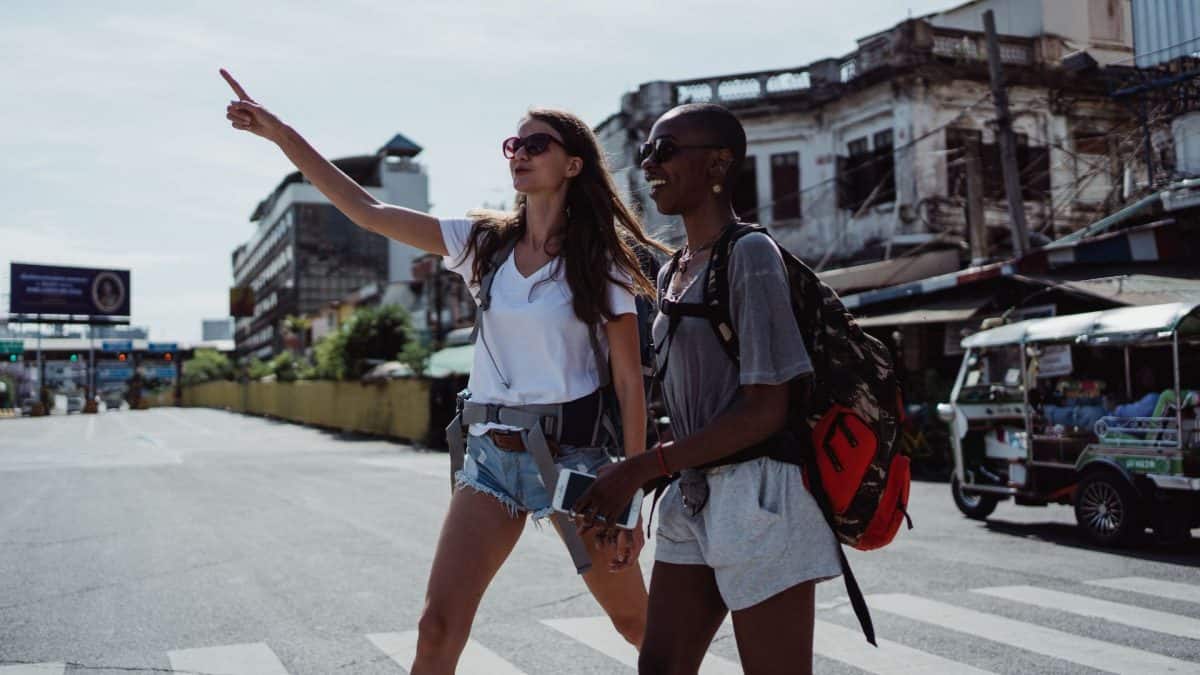
Tiny Tourism is a way of traveling more slowly and quietly.
Instead of rushing to see many famous places, travelers focus on small everyday experiences.
They might visit a local grocery store, ride a bus, or sit in a park.
The idea is to enjoy how people really live in a place.
It also means spending less time taking photos for social media.
Supporters say this can help people feel less tired and less pressured while traveling.
Avoiding crowded attractions may also reduce pressure on busy historic neighborhoods.
The goal is to return home rested rather than exhausted by a packed sightseeing plan.

Tiny Tourism encourages travelers to focus on ordinary local experiences rather than famous attractions.
The movement responds to high-dopamine adventure travel, algorithmic burnout, and social media pressure.
Travelers are encouraged to avoid viral hotspots, crowded tourist traps, and rigid schedules.
Examples include visiting neighborhood shops, using public transit, watching local life, and noticing everyday details.
Supporters say the approach can reduce overtourism pressures while providing more authentic perspective and mental rest.
- Who
- Travelers seeking slower, less performative holidays.
- What
- A travel approach called Tiny Tourism that emphasizes ordinary local experiences over famous attractions and packed itineraries.
- Where
- In travel destinations, including European cities and neighborhoods, local shops, parks, transit systems, and residential areas.
- When
- It is described as an emerging cultural shift in modern travel.
- Why
- To counter social media fatigue, cultural burnout, rigid sightseeing schedules, and the pressures of overtourism.
Key facts
- Concept
- Tiny Tourism focuses on how travelers experience a place rather than on visiting specific famous destinations.
- Alternative to
- Frantic itineraries such as visiting 10 cities in seven days and queuing at major attractions.
- Typical activities
- Buying everyday essentials, using public transit, watching local life, and exploring neighborhood businesses.
- Cultural response
- The movement is presented as an answer to algorithmic burnout and hyper-curated travel feeds.
- Tourism concern
- Travelers are becoming more aware of anti-overtourism sentiment and the strain crowds place on historic neighborhoods.
- Intended benefit
- A more unscripted experience, authentic perspective, and genuine mental rest.
Sources
Related news

Tiny Tourism: Why Your Next Trip Needs Mindful Exploration

Gen Z Rejects Fancy Holidays With 'Reverse Vacation' Travel Trend

Reverse Vacation Trend Has Gen Z Downgrading Life's Comforts

'Menty B' breaks reshape holidays as mental wellness escapes

Can a 'Menty B' Vacation Actually Save You From Burnout?

Reverse Vacations: Embracing Discomfort on Holiday

Seven Budget Air Fryers Compared for Oil-Free Everyday Cooking
Diljit Dosanjh Explores Paris Before Aura World Tour Concert

Boris Nadezhdin Leaves Russia After Being Labeled Foreign Agent

Australian Woman Escapes Near‑Trafficking Incident in Paris
