

0 months ago
Tamil Nadu Pays Rs 138 Interest Per Rs 100 Borrowed
The government of Tamil Nadu, a state in India, told everyone how it plans to spend money next year, and this plan is called the Budget.
The person in charge of the state's money is the Finance Minister, whose name is N. Marie Wilson.
The state borrows money, like someone taking a loan, to build things and to pay its bills.
But borrowing costs money too, because the state has to pay interest on the loan.
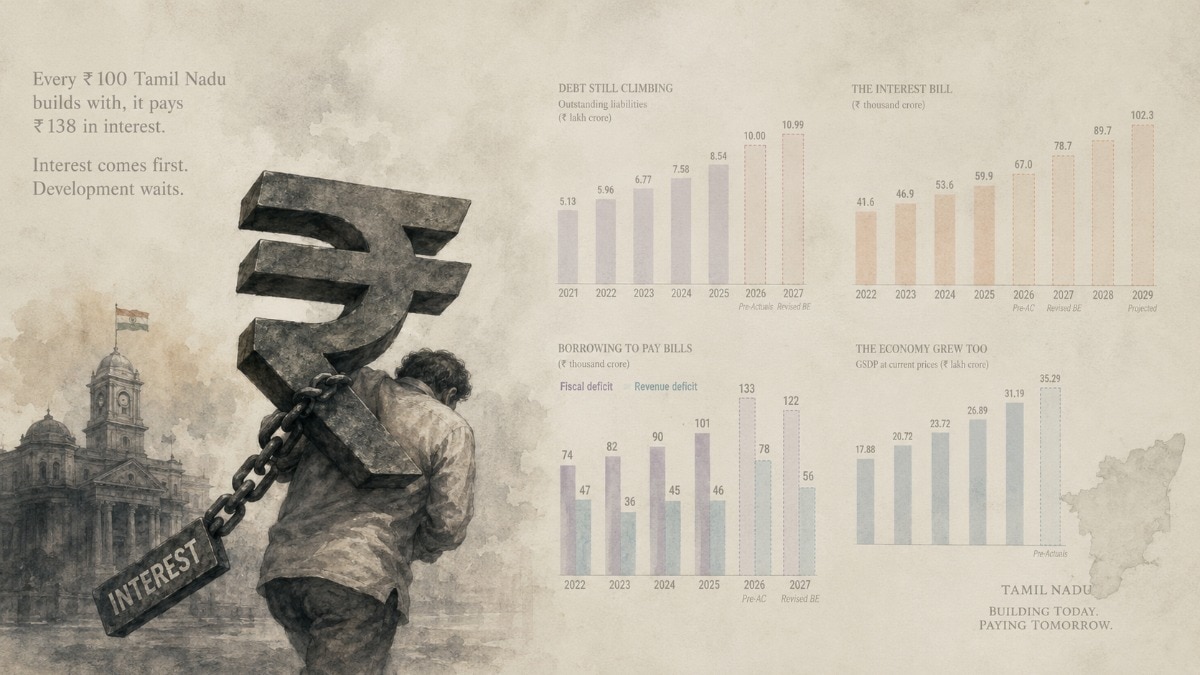
Right now, for every 100 rupees the state borrows to build, it pays 138 rupees in interest.
That is a lot, and the interest bill keeps growing bigger every year.
The good news is that the state's economy, which is the total money earned in the state, has grown almost as fast as the debt, so the debt is not becoming too heavy compared to the economy.
Some opposition leaders, like the AIADMK's Edappadi K. Palaniswami, say the government's plan to find new money is not clear enough.
The government says new taxes and better computer checks will bring in more money in the future.

Finance Minister N. Marie Wilson presented the Tamilaga Vettri Kazhagam-led coalition's first Budget to the Tamil Nadu Assembly on Wednesday.
For every Rs 100 Tamil Nadu borrows to build, it pays Rs 138 in interest, with the interest bill rising from ₹41,564 crore in 2021-22 to ₹78,683 crore this year.
Outstanding liabilities are projected at ₹10,98,768 crore for 2026-27, only about ₹690 crore (0.06%) below the interim Budget figure stated in February.
The same Budget adds ₹98,936 crore to debt against last year, while total debt grew 95% between 2020-21 and 2025-26 alongside 97% growth in the state's output.
New revenue measures, including a liquor privilege fee and faceless GST assessment, are expected to raise up to ₹1,000 crore and about ₹15,000 crore more a year respectively.
- Who
- Tamil Nadu Finance Minister N. Marie Wilson and the Tamilaga Vettri Kazhagam-led coalition government, with criticism from AIADMK leader Edappadi K. Palaniswami.
- What
- The first Budget of the new coalition, showing outstanding liabilities near ₹10.98 lakh crore and a rising interest burden that is growing faster than debt reduction.
- Where
- Tamil Nadu, India, delivered in the state Assembly.
- When
- Presented on Wednesday for the fiscal year 2026-27.
- Why
- To fund state spending; the Budget relies on continued economic growth, new levies, and efficiency measures to keep the debt ratio stable.
Government / TVK-led coalition
AIADMK opposition
Revenue augmentation strategy
Government / TVK-led coalition
New levies such as a liquor privilege fee and faceless GST assessment will raise about ₹16,000 crore a year, and a committee led by Montek Singh Ahluwalia will find further revenue sources.
AIADMK opposition
AIADMK leader Edappadi K. Palaniswami called the revenue methods vague and questioned whether merely constituting a committee would generate any money.
Key facts
- Finance Minister
- N. Marie Wilson
- Government
- Tamilaga Vettri Kazhagam-led coalition
- Projected outstanding liabilities (2026-27)
- ₹10,98,768 crore
- Reduction vs interim Budget
- ₹690 crore (0.06%)
- New debt added vs last year
- ₹98,936 crore
- Interest bill, this year
- ₹78,683 crore (up from ₹41,564 crore in 2021-22)
- Debt as share of economy
- 28.7% (2020-21) to 28.3% (2025-26)
- Expected revenue from new measures
- Up to ₹1,000 crore from liquor privilege fee; about ₹15,000 crore from faceless GST, registration and mining checks
Sources
Related news

Tamil Nadu Borrowing Rises as Spending Outpaces Revenue
Tamil Nadu Budget 2026: Rising Interest Payments Shrink Fiscal Space
Vijay's spending-heavy Tamil Nadu budget brings gold, laptops, welfare
Madhya Pradesh Uses 30% of Fresh Borrowing on Old Debt
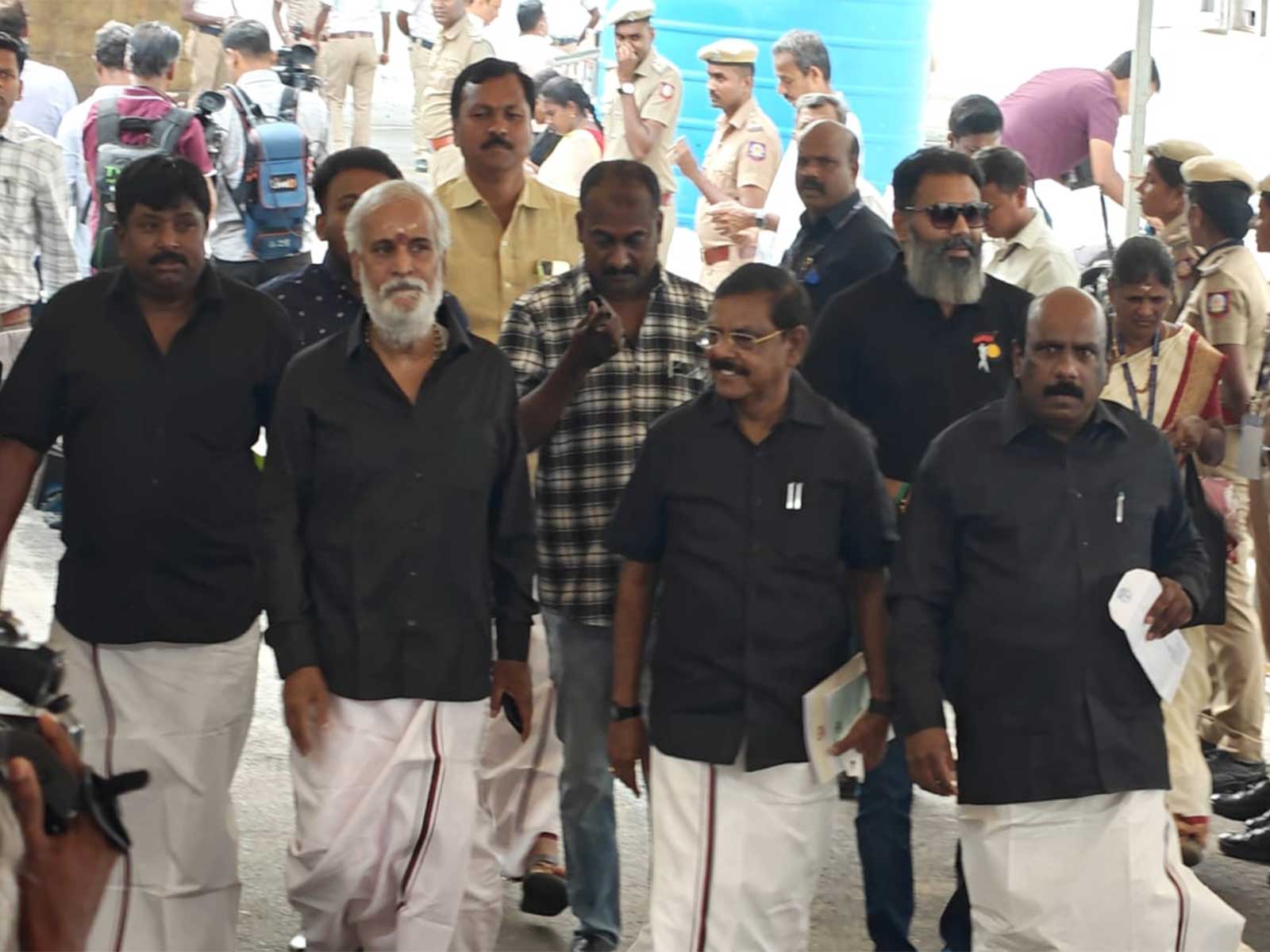
DMK MLAs Wear Black Shirts Ahead of Tamil Nadu Budget

Tamil Nadu Budget Draws Mixed Reactions Amid Opposition Criticism
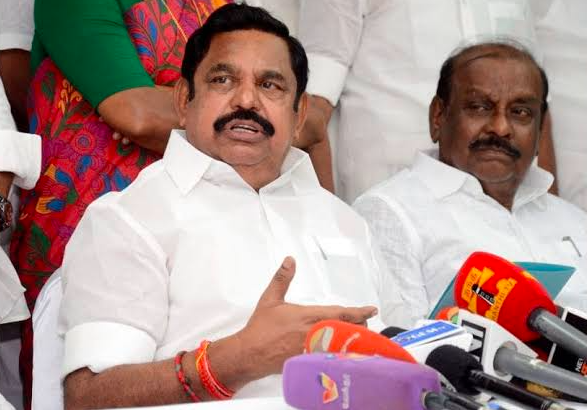
EPS Highlights AIADMK Role in Tamil Nadu Reservation Protection

Vijay Deploys Ministers Against Opposition in Tamil Nadu Assembly
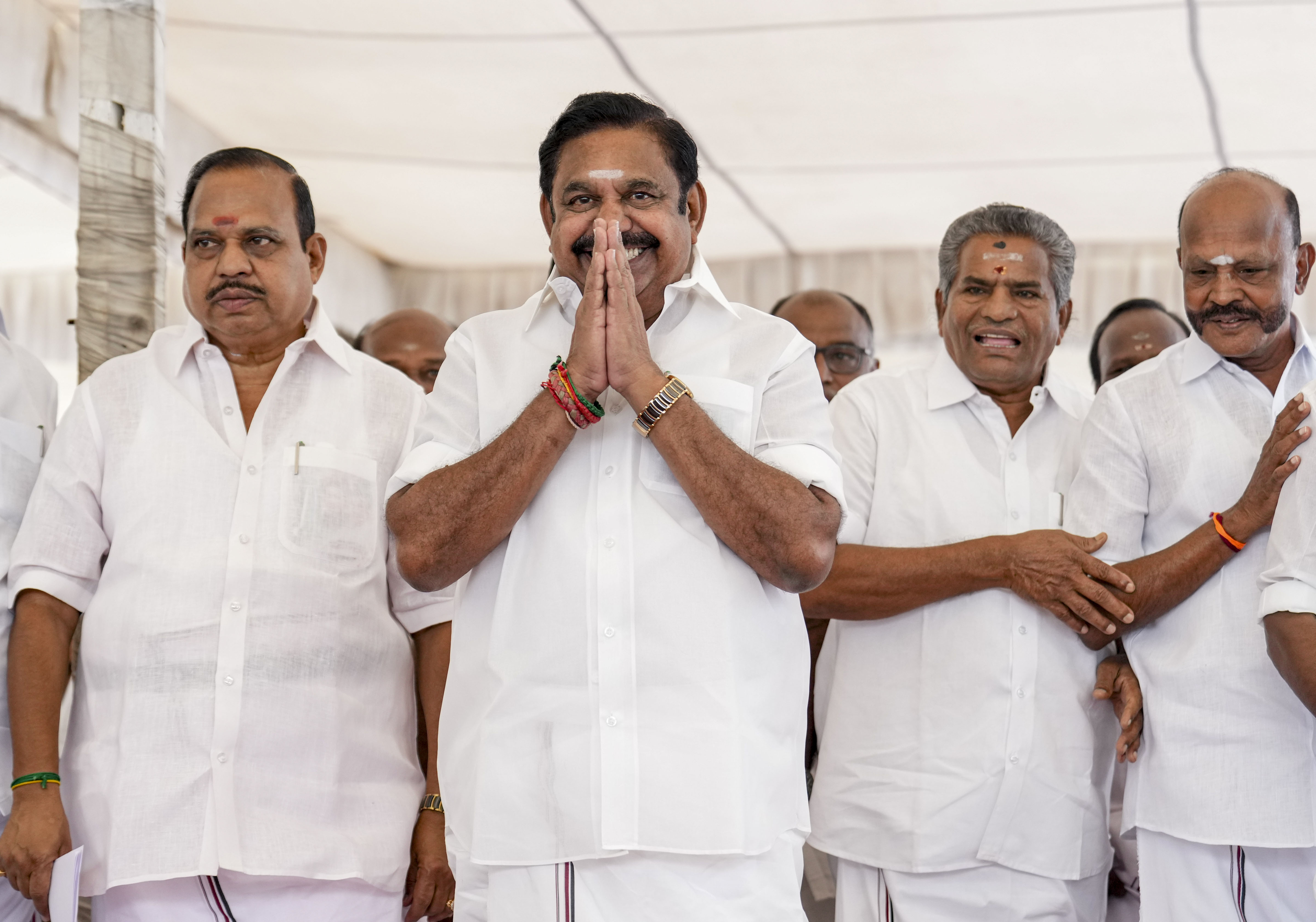
Palaniswami Accuses Tamil Nadu Government of Wasting Assembly Time
Iran War and Fuel Costs Drive Tamil Nadu Price Hike

Tamil Nadu Assembly Presses Government Over Nepal-Stranded Tamils
