11 hrs ago
Two Exhibitions Find Grief and Beauty in Everyday Objects
Two art exhibitions look closely at objects and ordinary life.
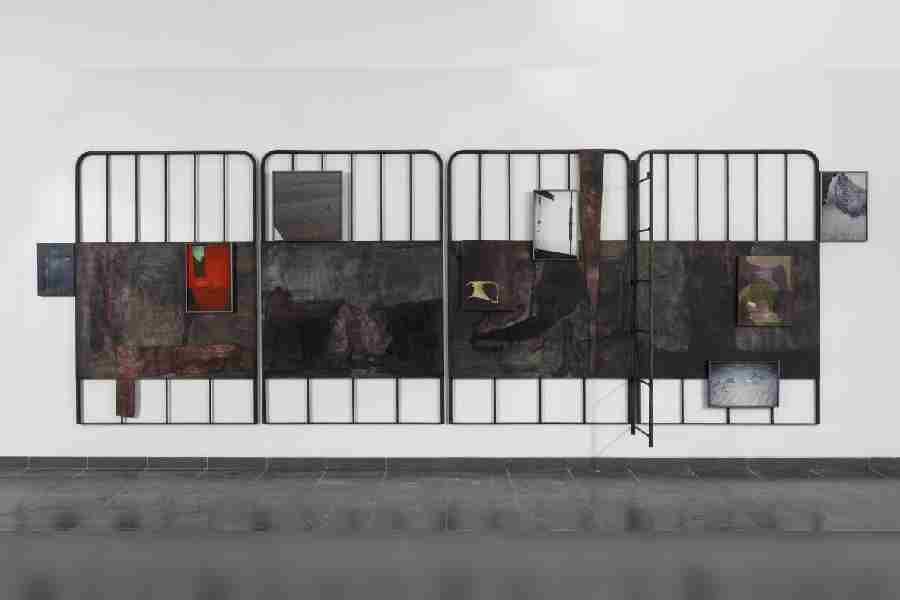
Biraaj Dodiya’s exhibition uses old hospital-bed headboards and other materials.
These objects make viewers think about bodies, illness, loss and disappearance.
The artworks do not explain one particular tragedy.
Instead, they leave space for each viewer to imagine what happened.
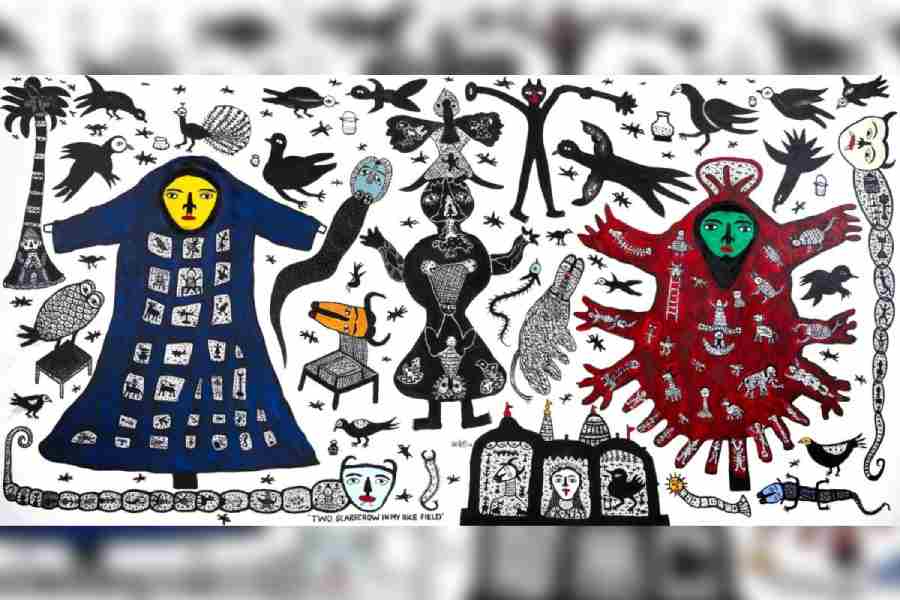
Soma Das’s exhibition shows people doing simple things at home and in their communities.
Her paintings include activities such as drinking tea, combing hair and making garlands.
Together, the exhibitions show that both sorrow and beauty can be found in familiar things.

Biraaj Dodiya’s Grid for a Disappearance is on view at Experimenter in Ballygunge Place.
Hospital-bed headboards, paintings, gauze, wood and photographs suggest an aftermath without naming a victim or event.
Dodiya’s photographs use fragmented scenes and bodily traces to explore absence, grief and uncertainty.
At Emami Art, Soma Das’s Nitya Notun: The New in the Everyday depicts ordinary domestic routines with careful attention.
Das presents labour, family roles and cramped spaces alongside the pleasure and dignity found in everyday rituals.
- Who
- Artists Biraaj Dodiya and Soma Das are featured, with references to Mona Hatoum, Doris Salcedo, Christian Boltanski and Ana Mendieta.
- What
- The article reviews Dodiya’s Grid for a Disappearance and Das’s Nitya Notun: The New in the Everyday.
- Where
- Grid for a Disappearance is at Experimenter, Ballygunge Place, and Nitya Notun is at Emami Art.
- When
- Dodiya’s exhibition is on view, while Das’s show is described as ongoing; no dates are given.
- Why
- Both exhibitions encourage sustained attention to objects, bodies, domestic routines, absence, labour and private experience.
Key facts
- Artist
- Biraaj Dodiya
- Exhibition
- Grid for a Disappearance
- Venue
- Experimenter, Ballygunge Place
- Artist
- Soma Das
- Exhibition
- Nitya Notun: The New in the Everyday
- Venue
- Emami Art
- Dodiya’s materials
- Hospital-bed headboards, paintings, wood, gauze and photographs
- Das’s subjects
- Family members, vendors, homemakers and everyday domestic activities
Sources
Related news

Delhi Contemporary Art Week Explores Ecology, Memory, and Rivers
Delhi Contemporary Art Week Explores the Capital’s Overlooked Everyday Lives

Where Flowers, Memory, and Queer Experience Keep Counsel
Ruma Choudhury’s Paper Works Explore Nature at Emami Art
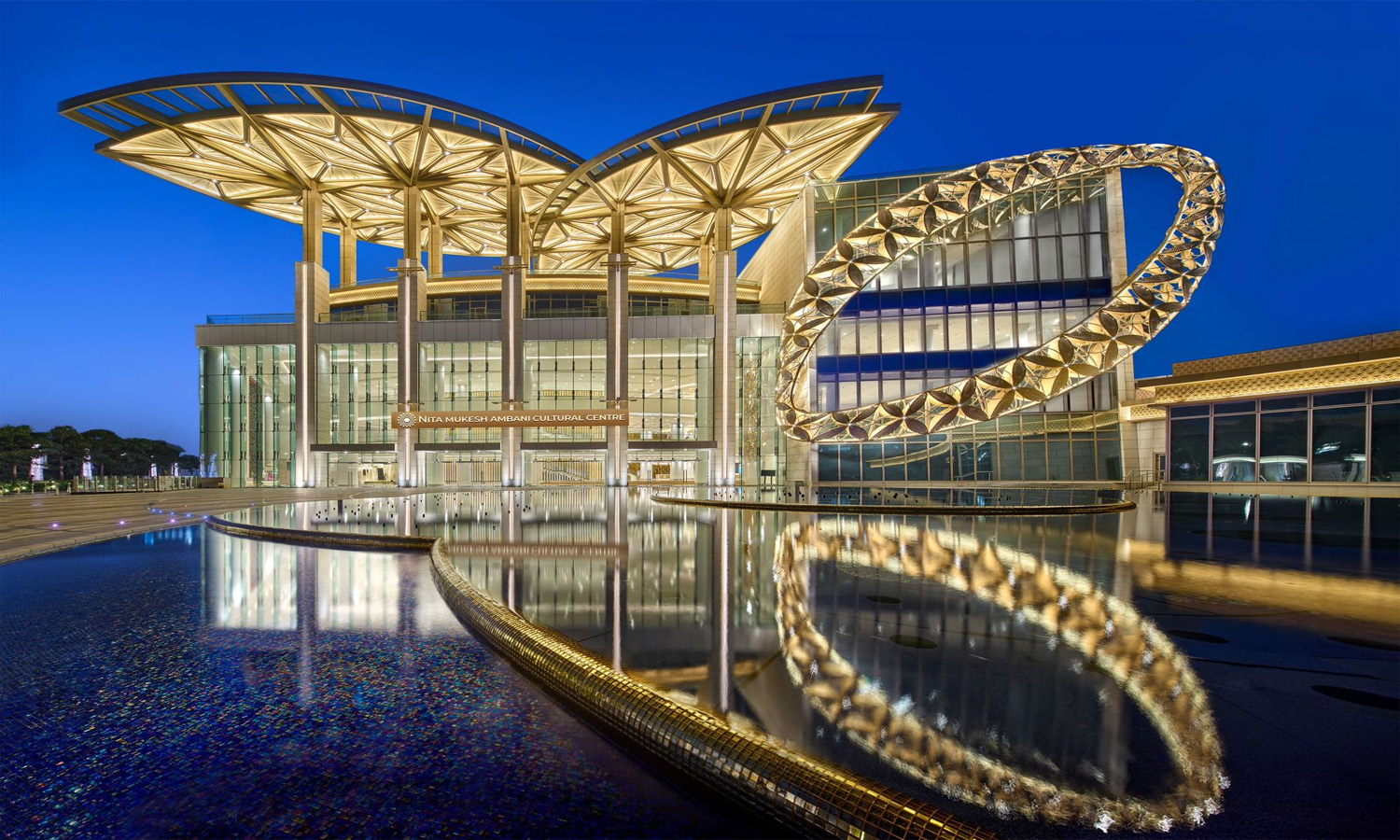
Mumbai Cultural Centre Invites Visitors to Touch Art