3 days ago
Why Ordinary Stories Matter Before Prejudice Erases Humanity
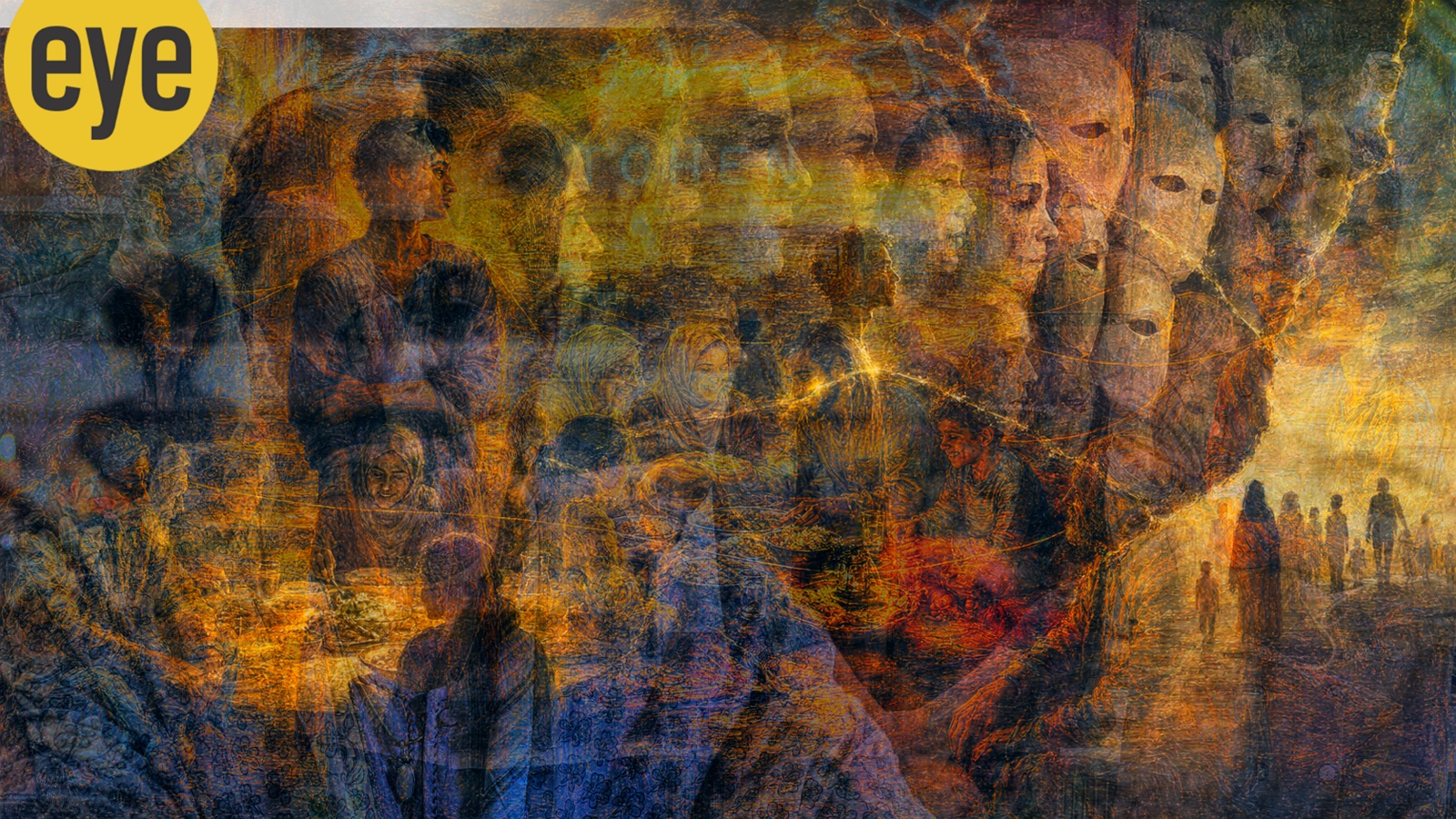
The author says movies and public discussions often show minority groups as dangerous instead of ordinary people.
This can make others forget that they have families, worries, hopes and everyday lives.
The author believes jokes and insults from powerful leaders can make unfair treatment seem normal.
People who are afraid may then support leaders who promise to protect them from invented enemies.
The article also says people on the author’s own side should not treat every mistake or disagreement as evil.
Speaking up matters, but not everyone has the same ability to take risks.
Small actions, such as refusing to spread lies or defending someone being unfairly attacked, can help.
Films, books and journalism can help people see minorities as full human beings.
The author says democracy needs both courage and kindness.

The article argues that Muslims and other minorities are often shown as threats rather than ordinary people.
It says ridicule can reduce entire communities to stereotypes and make mistreatment seem acceptable.
The author warns that authoritarian leaders exploit fear, grievance and public division.
It also criticizes intolerant liberalism while distinguishing online criticism from state persecution.
The article calls for speaking against prejudice and restoring complex, everyday stories through media.
- Who
- The author, minority communities including Muslims, immigrants, LGBTQ+ people and transgender people, political leaders, liberals and ordinary citizens.
- What
- An argument that stereotyping, ridicule and the disappearance of ordinary minority stories can prepare societies for discrimination and injustice.
- Where
- The discussion ranges across America and democracies around the world.
- When
- The article discusses present-day politics and media, while also drawing lessons from the last century.
- Why
- The author argues that protecting human dignity requires challenging caricatures, resisting silence and restoring complex representation.
Authoritarian Politics and Collective Ridicule
Liberal Self-Correction and Open Dialogue
How prejudice spreads
Authoritarian Politics and Collective Ridicule
The article argues that authoritarian leaders use mockery, fear and stereotypes to turn minorities, migrants and dissenters into perceived threats.
Liberal Self-Correction and Open Dialogue
The article warns that liberals who treat every mistake or disagreement as proof of moral depravity can deepen polarization and give demagogues political ammunition.
How citizens should respond
Authoritarian Politics and Collective Ridicule
Citizens should not remain silent when communities are dehumanized; they should challenge lies, discriminatory jokes and public scapegoating.
Liberal Self-Correction and Open Dialogue
Resistance should avoid reproducing cruelty: people should speak firmly but leave room for others to change.
Meaning of consequences
Authoritarian Politics and Collective Ridicule
The article emphasizes that ridicule and propaganda can help prepare the ground for policies that harm or remove people’s rights.
Liberal Self-Correction and Open Dialogue
It distinguishes criticism, cancellation and professional consequences from imprisonment, deportation or the removal of legal rights, rejecting a false equivalence between them.
Key facts
- Central concern
- Ordinary Muslim families and other minority communities are often missing from films and public narratives.
- Author’s warning
- Erasure can begin with distortion, as people are reduced from neighbours to threatening categories.
- Role of ridicule
- The article says ridicule directed at vulnerable groups can reinforce social hierarchy and reduce sympathy.
- Political danger
- Leaders can use fear, grievance and invented enemies to mobilize citizens.
- Liberalism critique
- The author says punishing every imperfect word or disagreement can become a form of orthodoxy.
- Unequal risk
- Daily-wage workers, single mothers, students and public figures do not face the same consequences for speaking out.
- Proposed response
- Refuse lies, challenge dehumanizing jokes, defend targeted people and support stories that show complexity.
Quotes
Faiz Ahmed Faiz
Poet cited by the essay as an example of courageous, humane speech
“Bol, ke lab azaad hain tere (Speak, for your lips are free).”
 indianexpress.com
Sources
Related news

Indian Filmmakers and Writers Re-Engage with Pakistan Through Compassionate Art

Seamus Murphy’s Poetic Realism Finds Joy Amid Resilience

Silent wives of politicians become targets of national controversies

Jyoti Yadav’s Covid Book Challenges India’s Forced Forgetting
TRT World Documentary on Anti-Muslim Hate Called Propaganda by OpIndia
Pentagon Turmoil Deepens as Hegseth Tightens Grip on Military
JD Vance Links Trump Survival, Faith and AI Concerns
China's SCO Power Grab Shapes Global Alliances and Trade

US and China Expand Military Space Capabilities as Tensions Rise

U.S.-Iran Exchange Escalates Across Middle East, Markets Slide