1 week ago
New U.S. Green Card Scrutiny Raises Concerns for Indians
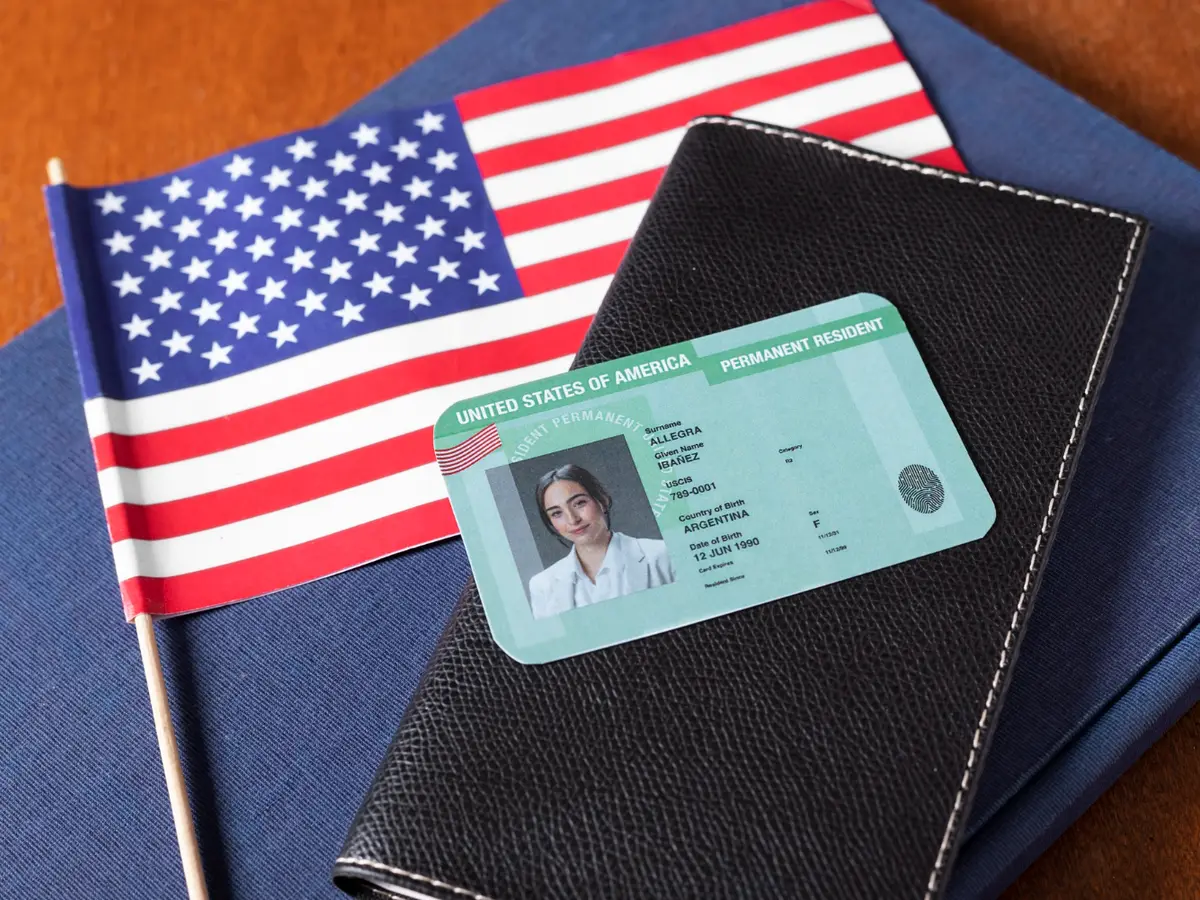
The United States is changing how it checks some people applying for green cards.
Officers will look at an applicant’s whole situation, including health, money, education and work prospects.
This could matter to many Indian workers who have waited years for employment-based green cards.
A person who recently lost a job is not automatically rejected.
However, officers may consider that person’s work history, income, skills and chances of finding another job.
Some government benefits may also be reviewed under the updated guidance.
Getting those benefits does not automatically mean someone cannot receive a green card.
Each application will be decided individually.

USCIS guidance taking effect September 18 will expand scrutiny of employment-based green card applicants’ circumstances.
Officers may review age, health, family situation, assets, finances, education, skills and future employment prospects.
A layoff alone does not trigger a public-charge finding, but employment history, wages, job prospects and household finances may be examined.
SNAP, housing assistance, CHIP and regular Medicaid may be considered for benefits received from September 18, 2026.
Routine H-1B and H-4 petitions are not covered, and receiving assistance does not automatically make someone inadmissible.
- Who
- Indian nationals in the United States waiting for employment-based green cards, along with other applicants for adjustment of status.
- What
- USCIS is expanding its case-by-case review under the public-charge rule for certain green card applications.
- Where
- United States.
- When
- The revised guidance takes effect September 18; benefits received from September 18, 2026, may be considered under the expanded framework.
- Why
- USCIS says the guidance reflects Congress’s intent that immigrants be self-sufficient and not dependent on taxpayer-funded benefits.
USCIS rationale
Applicant concerns
Purpose of the policy
USCIS rationale
USCIS says the updated guidance follows congressional intent that immigrants in the United States be self-sufficient and not rely on taxpayer-funded benefits.
Applicant concerns
Immigration applicants and advocates are concerned that broader scrutiny could make long-delayed employment-based green card applications more difficult, particularly after layoffs.
Effect of layoffs
USCIS rationale
USCIS can assess an applicant’s employment history, wages, education, skills, job prospects, household income and assets as part of the overall review.
Applicant concerns
Indian professionals who lost jobs may worry that a layoff will harm their applications, although the guidance does not treat a layoff alone as making someone a public charge.
Use of public benefits
USCIS rationale
USCIS may consider additional benefits, including SNAP, housing assistance, CHIP and regular Medicaid, when conducting its assessment.
Applicant concerns
Receiving assistance does not automatically make an applicant inadmissible, but applicants may face concern about how such benefits will affect their individual cases.
Key facts
- Agency
- U.S. Citizenship and Immigration Services (USCIS)
- Affected application
- Form I-485, used to apply for adjustment of status to permanent residence
- Review factors
- Age, health, family situation, assets, financial resources, education, skills and potential employment
- Potential employment evidence
- Job offers and expected wages
- Benefits potentially considered
- SNAP, housing assistance, CHIP and regular Medicaid
- Case standard
- Receiving benefits does not automatically make an applicant inadmissible; decisions are case by case
- Exclusions
- Routine H-1B petitions and H-4 extensions or changes of status are not covered by the public-charge ground
Quotes
USCIS
U.S. Citizenship and Immigration Services official
“The updated guidance aligns with Congressional intent that aliens in the US be self‑sufficient and not dependent on taxpayer‑funded government benefits.”
 wionews.com
Sources
Related news

Trump's Expanded Public Charge Rule Creates Green Card Hurdles

US Green Card Public-Charge Test Broadens From September 18
US Green Card Public Charge Rules Change September 18, 2026

US Broadens Green Card Public-Charge Rules September 18
New Form I-485 Required for U.S. Green Card Applications

USCIS Sets September 18 Cutoff for New Green Card Form
US Citizenship Becomes Costlier and Harder for Green Card Holders
US Considers Ending H-4 Spouse Work Permits, Indians Hit Hardest
Trump Administration Revives Plan Targeting H-4 Spouse Work Permits
Trump Administration Proposal Could End H-1B Grace Period
US Universities Urge Indian Students to Return Before September 15