2 hrs ago
Childhood Cancer Survivors Face Long-Term Health Effects After Treatment
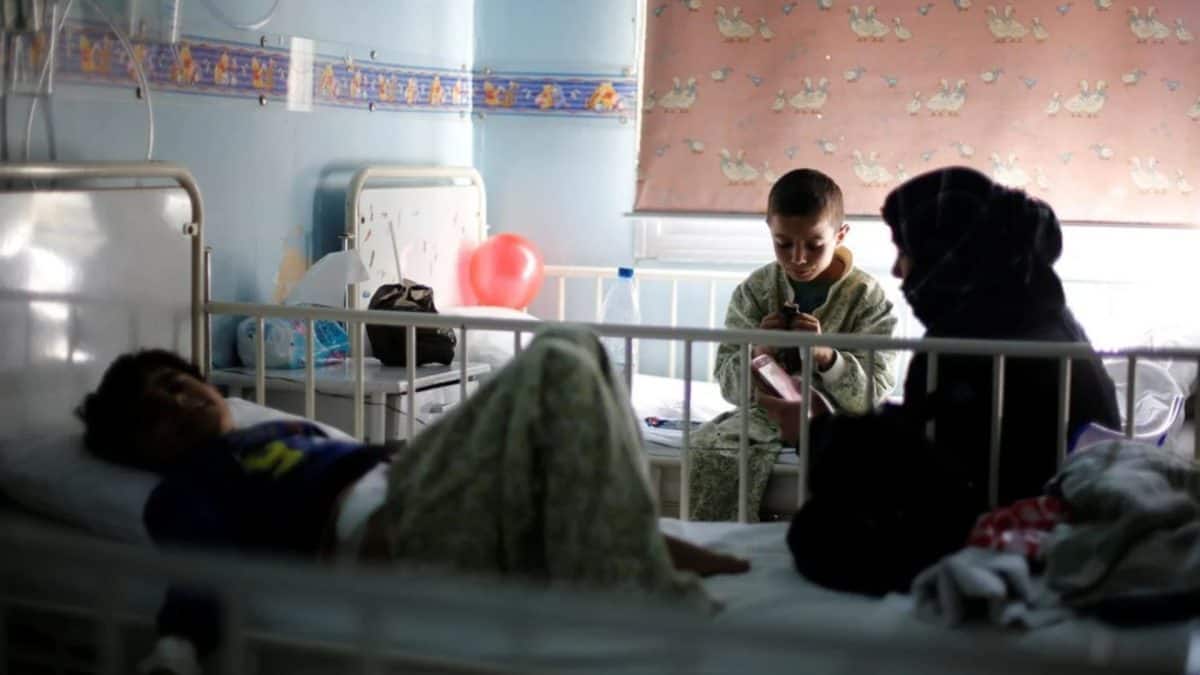
Many children now survive cancer because treatments have improved.
But some treatments can also affect healthy parts of the body.
These effects may appear during treatment or many years later.
A child’s growth, learning, heart, lungs, hearing, bones or ability to have children may sometimes be affected.
The risk depends on the cancer, the treatment and the child’s age.
Doctors are trying to choose treatments that cure the cancer while causing as little harm as possible.
Finishing treatment does not always mean medical care is finished.
Regular checkups can help find and manage problems early.
The goal is for survivors to grow, learn, work and enjoy fulfilling lives.

Cancer treatments can affect healthy tissues, causing late effects years or decades later.
Possible effects include changes in growth, learning, memory, fertility, heart and lung health, hearing, bones and emotional well-being.
Risks vary according to the cancer type, treatment intensity, treatment received and the child’s age.
Doctors increasingly seek a cure with the least possible harm through personalised and targeted treatments.
Long-term survivorship care can include organ monitoring, rehabilitation, counselling, nutritional support and fertility preservation.
- Who
- Children who survive cancer, their families and paediatric oncology teams.
- What
- Doctors are examining late health effects that may follow childhood cancer treatment.
- Where
- When
- These effects may develop during treatment or years and decades afterward.
- Why
- Chemotherapy, radiation, surgery and other treatments can affect healthy organs and developing tissues as well as cancer cells.
Key facts
- Late effects
- Possible long-term problems after treatment involving growth, development, learning, memory, fertility, organ health and emotional well-being.
- Risk factors
- Outcomes can vary with the cancer type and biology, treatment intensity and the child’s age at diagnosis.
- Potential organs affected
- The heart, lungs, brain, reproductive system, ears and bones may be affected in some survivors.
- Treatment goal
- Paediatric oncologists increasingly aim for a cure with the least possible harm.
- Personalised care
- Targeted therapies, immunotherapies, precision radiation and adjusted doses may reduce exposure of healthy organs when appropriate.
- Follow-up care
- Survivorship care may include cardiac monitoring, organ assessments, rehabilitation, psychological counselling, nutritional support and fertility preservation.
Quotes
Dr Neeraj Teotia
Consultant in paediatric hemato-oncology and bone marrow transplant at Marengo Asia Hospitals, Gurugram
“A child who survives cancer deserves not only to be alive, but also to have the opportunity to grow, learn, work, form relationships and lead a fulfilling life.”
 firstpost.com
Sources
Related news

Childhood Cancer Survivors Face Lifelong Care Beyond Treatment

Radiation Therapy Advances Precision Cancer Treatment and Symptom Relief

Scientists Track Long-Term Health of Children Exposed to 9/11 Dust
Mumbai Doctors Save Eritrean Teen From Rare Blood Cancer

Image-Guided Brachytherapy Targets Tumors While Protecting Healthy Tissue