54 mins ago
Asian Games Hardware Standardisation Aims to Level Esports Field
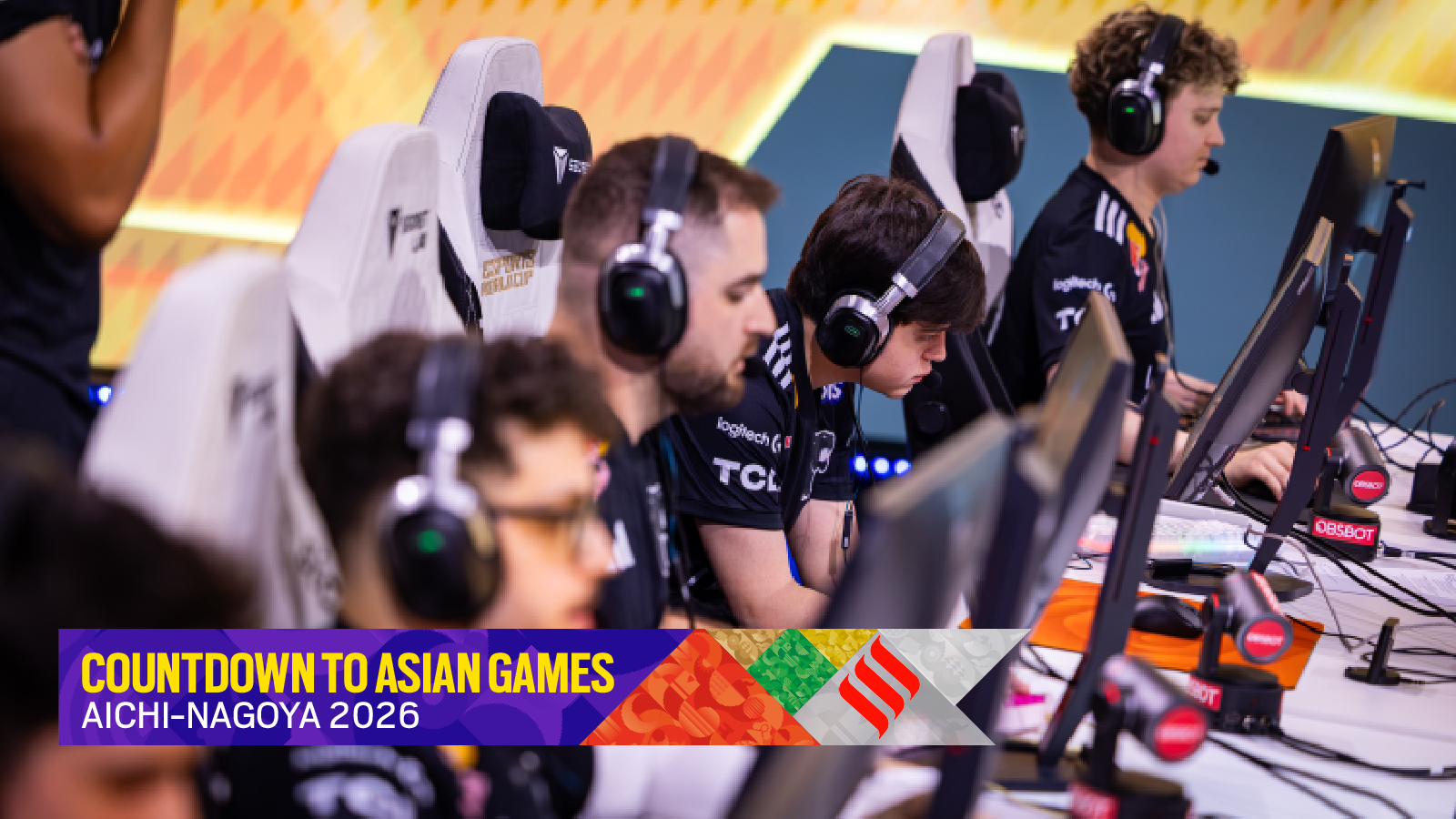
Esports players often perform best with their own familiar equipment.
In India, slow internet and cheaper devices can make games harder to play.
The Asian Games will give competitors matching devices and carefully controlled connections.
This means players will not be allowed to use their own phones, keyboards or mice during matches.
Officials will check equipment for hidden shortcuts and unauthorised changes.
Wired connections will help prevent sudden internet delays.
Special audio equipment will reduce noise from the crowd.
The goal is for skill, rather than equipment or lag, to decide the winners.

Esports hardware has evolved from unreliable setups at Jakarta-Palembang in 2018 to controlled local-server arenas in Hangzhou in 2023.
At the 2026 Aichi-Nagoya Games, players will use standardised equipment under Asian Electronic Sports Federation oversight.
Personal mice, keyboards and other peripherals will be inspected, tested for unauthorised macros and secured before matches.
Players will receive identical tournament devices, use hardwired connections and rely on controlled audio equipment to reduce technical and environmental advantages.
India is expected to send 15 players across four gaming disciplines, with 11 esports medal events planned.
- Who
- Players competing in the Asian Games, overseen by the Asian Electronic Sports Federation; India is expected to send 15 players.
- What
- Esports competition is adopting strict hardware standardisation, equipment checks and controlled match conditions.
- Where
- The 2026 competitions will take place in Aichi-Nagoya, Japan, using controlled arena infrastructure.
- When
- The article compares the 2018 Jakarta-Palembang demonstration event and 2023 Hangzhou medal event with the 2026 Aichi-Nagoya Games.
- Why
- To reduce advantages caused by different devices, peripherals, internet latency, background noise and unauthorised hardware modifications.
Key facts
- 2026 host setting
- Aichi-Nagoya, Japan
- Planned medal events
- 11 esports events
- India’s expected contingent
- 15 players across four gaming disciplines
- Equipment policy
- Players will use tournament-issued, standardised devices rather than personal equipment.
- Network setup
- Devices will be connected through hardwired Ethernet docks to local arena servers.
- Peripheral checks
- Officials will inspect equipment, test firmware and check for hidden shortcut macros.
- Commercial restrictions
- Olympic Rule 50 prohibits usual billboard-style sponsor displays on the field of play.
Sources
Related news
Esports Returns to Asian Games as India Targets Medals
Indian Athletes Test Container Rooms Ahead of Asian Games
Aakash Chopra Questions Cricket’s Safety and Place at Asian Games

Jhajharia Targets Higher Medal Haul at Asian Para Games
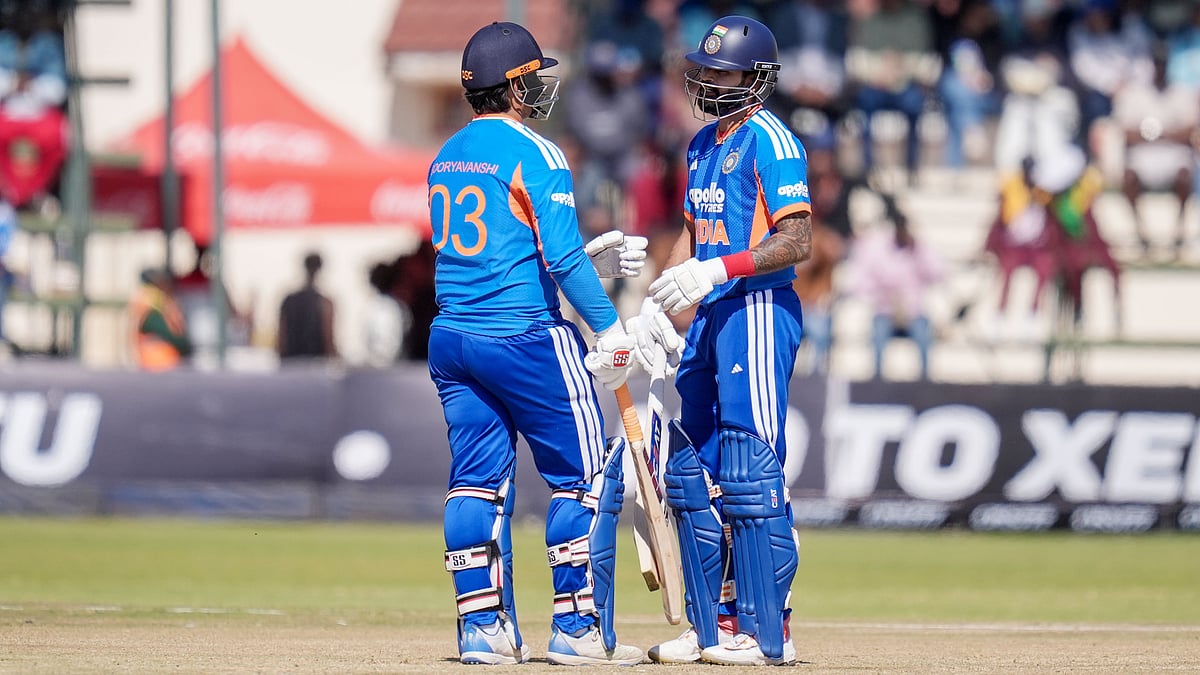
Asian Games Advances Men’s Cricket Knockout Matches Over Floodlights
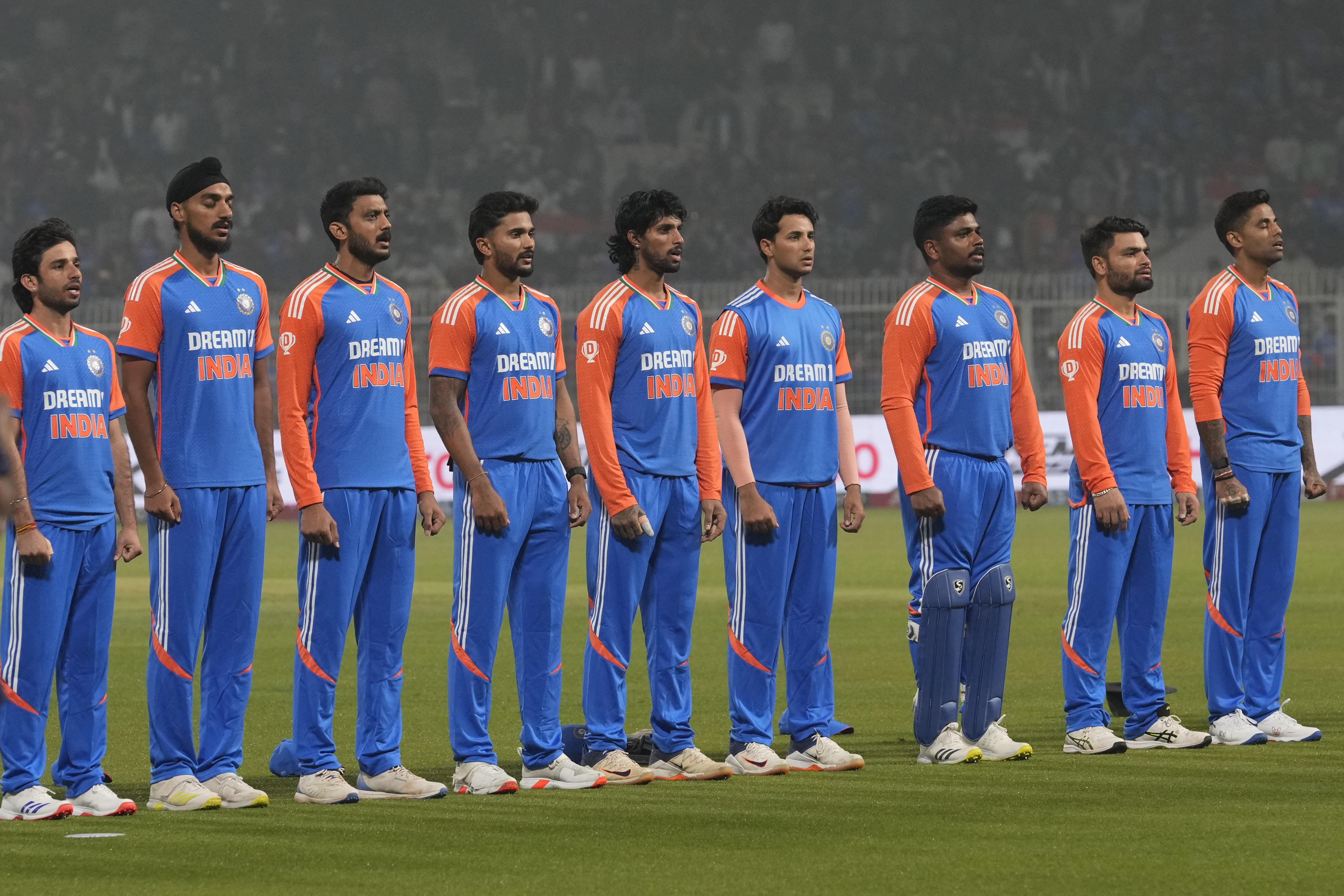
BCCI Weighs ‘B’ Team Over Japan Asian Games Facilities

Vedaant Madhavan Prepares for Asian Games and National Spotlight
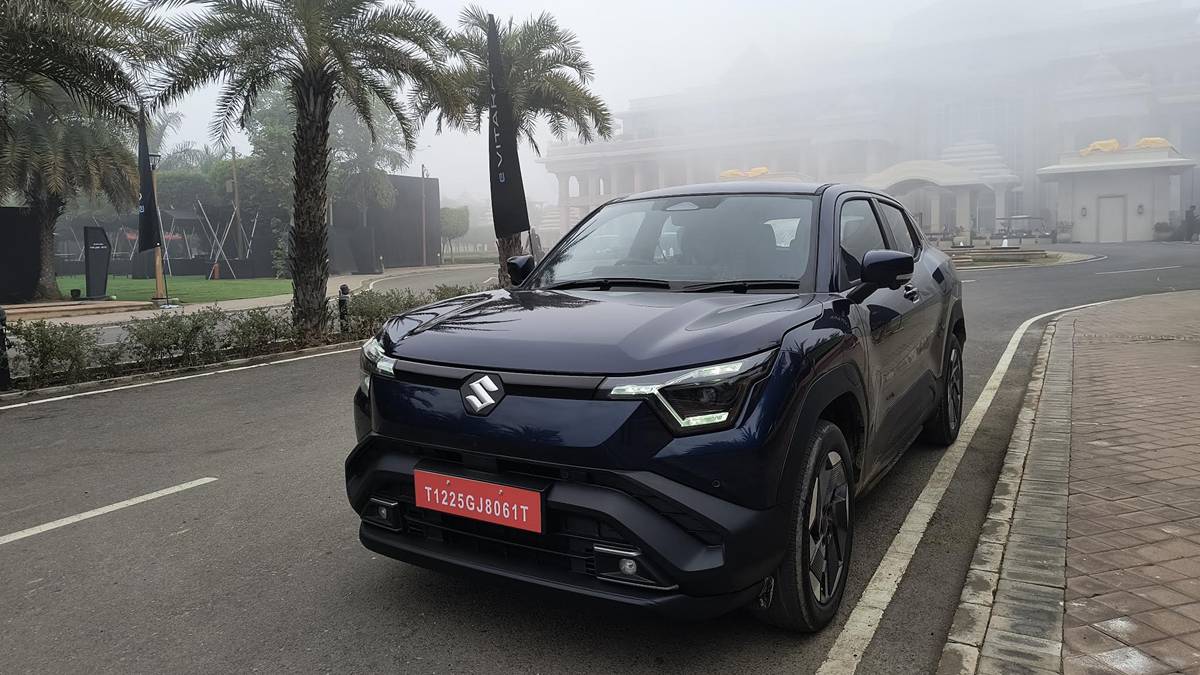
Maruti Suzuki Leads India’s EV Export Boom With eVitara
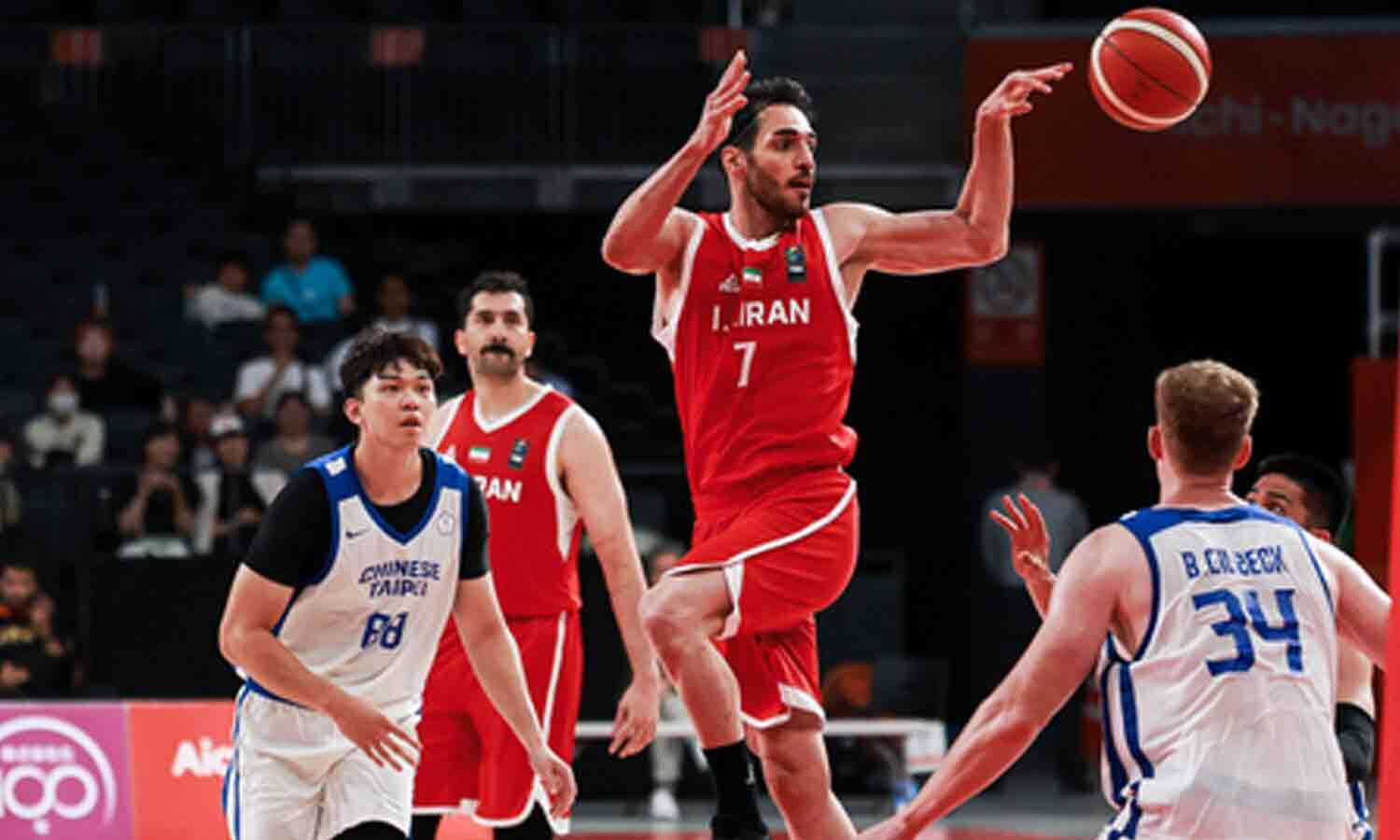
China Overwhelms Bahrain, Iran Edges Chinese Taipei in Basketball

Japanese and Korean Banks Outpace India in Earnings Upgrades