1 month ago
Burnham caps England bus fares at £2
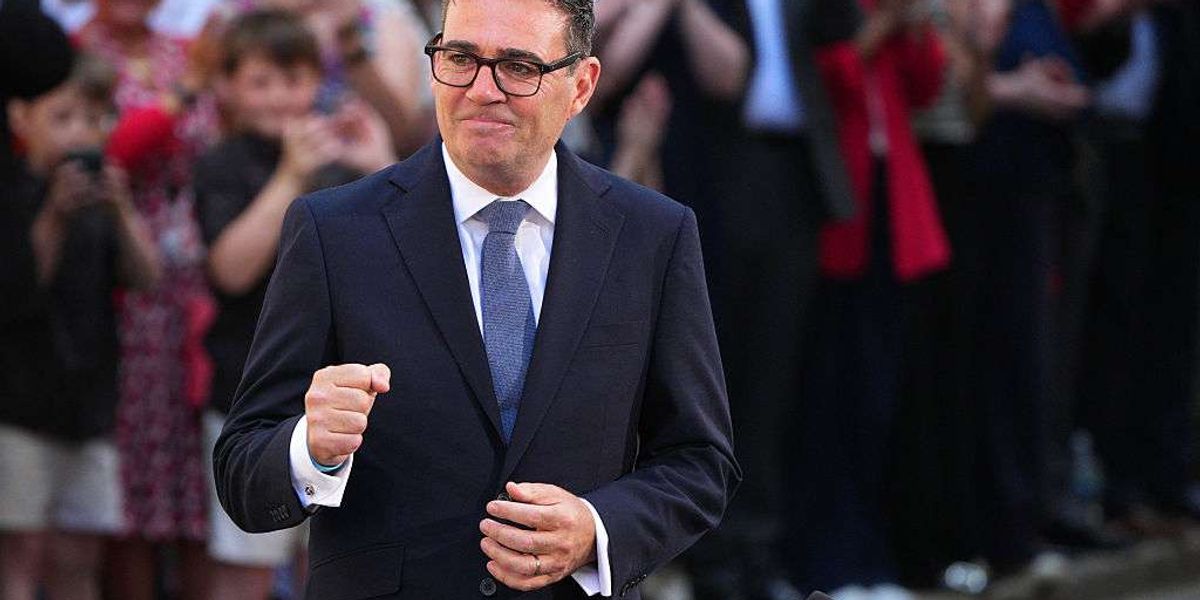
Prime Minister Andy Burnham has announced that single bus fares across England will be capped at £2 starting from January 2027.
This move aims to help people with the cost of living by making public transport more affordable.
The scheme will cost over £500 million and is funded by reallocating existing funds and switching some international climate grants from grants to loans.
London will not be included as it has its own transport system with lower fares.
The announcement follows the government's decision to scrap VAT on domestic electricity bills, which was funded by canceling a planned digital ID scheme.
While supporters welcome the move, critics argue it revives old-style spending and question its boldness and economic impact.

Single bus fares across England capped at £2 from January 2027.
Scheme costs over £500 million, funded by reallocating existing funds and switching climate grants to loans.
Reverses a fare increase introduced by the previous government in 2024.
London excluded as it has its own transport system with lower fares.
Follows the government's decision to scrap VAT on domestic electricity bills.
- Who
- Prime Minister Andy Burnham
- What
- Capping single bus fares at £2 across England
- Where
- All of England except London
- When
- From January 1, 2027
- Why
- To help with the cost of living and ensure affordable transport links
Government and Supporters
Opposition and Critics
Funding and Economic Impact
Government and Supporters
The government argues that the fare cap is funded by reallocating existing funds and switching climate grants to loans, ensuring no additional burden on taxpayers.
Opposition and Critics
Critics like Shadow Chancellor Mel Stride argue that the move revives 1970s-style spending and taxation, questioning the sustainability and economic wisdom of the policy.
Policy Boldness
Government and Supporters
Supporters, including TUC General Secretary Paul Nowak, welcome the cap as a necessary step to support households, though they advocate for additional measures like taxing bank profits.
Opposition and Critics
New Economics Foundation policy chief Alex Chapman views the cap as a reinstatement of an earlier scheme rather than a bold new initiative, describing its scale as modest.
Key facts
- Policy Announcement Date
- Wednesday, 22nd
- Effective Date
- January 1, 2027
- Cost of Scheme
- Over £500 million
- Funding Sources
- Switching international climate grants to loans, Department for Energy Security and Net Zero savings, existing Department for Transport bus funding
- Current National Cap
- £3 until March 2027
- London Fares
- Flat £1.75
- VAT on Electricity Bills
- Scrapped the day before the announcement
- Funding for VAT Cut
- £800m from the planned digital ID scheme
Timeline
Burnham vows to tackle cost crisis in debut speech.
Then, he caps bus fares at £2.
PM's move eases pressures, effective January 2027.
Quotes

Andy Burnham
Prime Minister of the United Kingdom
“I’ve made a number of moves that will deal with some of these challenges, although I appreciate there’s a lot more to do.”
 financialexpress.com
“There is no commitment, no unfunded promise.”
financialexpress.com
Sources
Will UK raise tax-free personal allowance? PM Burnham announces £2 bus fares, £45 power bill relief

Burnham Caps Bus Fares at £2 Across England to Cut Costs

Burnham Personal Allowance U-Turn: What's Replacing It?
Burnham caps bus fares at £2 across England in cost-of-living push

Burnham’s personal allowance U-turn explained: What the government is offering instead
Related news
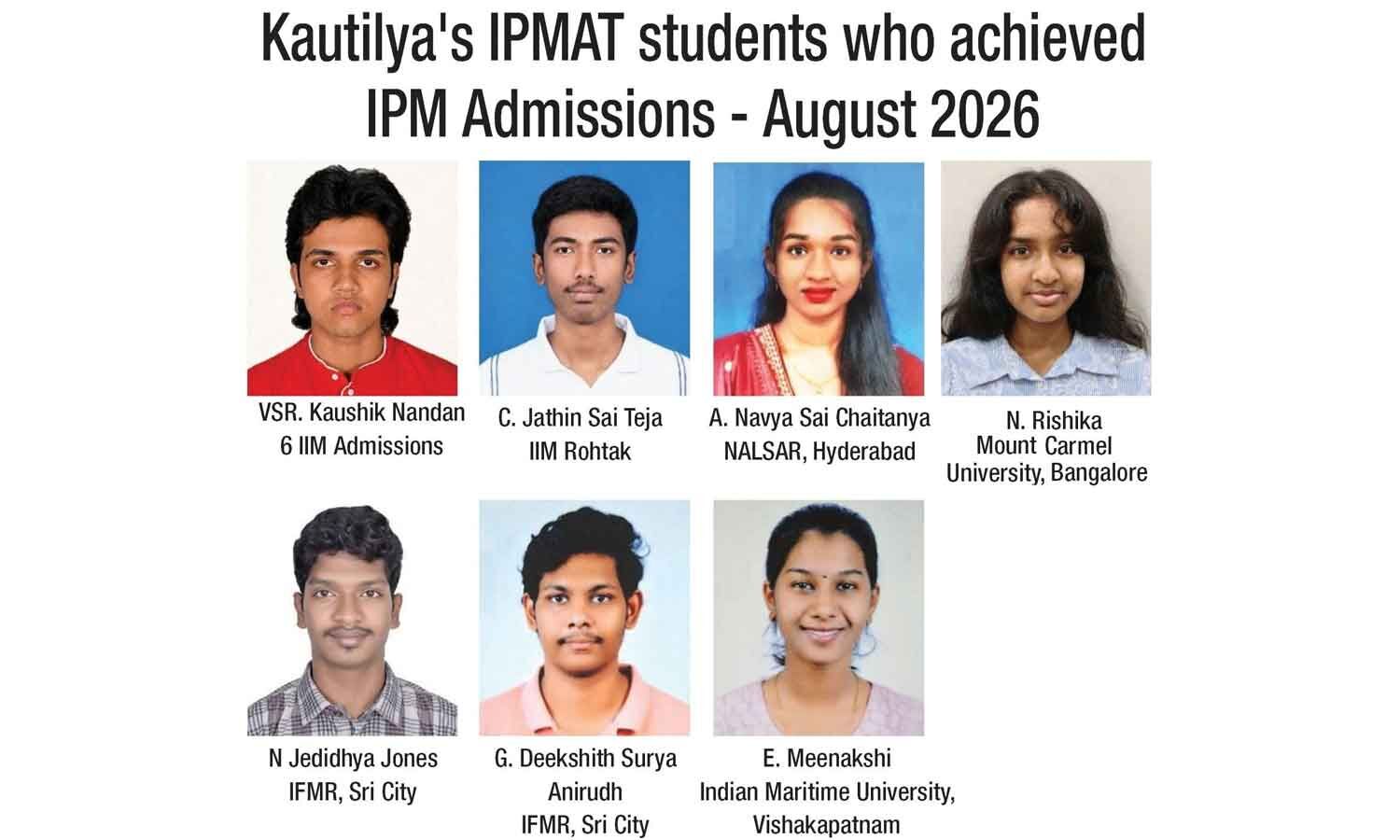
Ten Kautilya Students Secure Top Management Admissions Through IPMAT

Over 50,000 Students Take UP Project Praveen AI Assessment

Professor, Five Students Arrested in IGKV Paper Leak

Supreme Court Issues Notice On Paper Leak Property Confiscation PIL

Gates Engineering College Holds Drive on Government Job Opportunities

Ireland Urges Preparation for Potential Northern Ireland Unity Vote
Salvi Praises Charani After India’s Women’s Asia Cup Opener
PCB Questions Selectors Over Imam-ul-Haq, Rizwan Tour Picks
Putin Faces Western Isolation While Russia Builds Non-Western Ties
England Leave Brydon Carse Out of Final Pakistan Test