6 days ago
US Army Plans Nuclear Microreactors at Five Military Bases

The United States Army wants to build small nuclear reactors at five military bases.
These reactors could provide electricity even if the commercial power grid stops working.
Five companies may receive up to $2.2 billion to build and operate them.
The Army expects more than 20 reactors in total.
Each reactor would make between 1 and 20 megawatts of power.
The bases would still stay connected to the regular electric grid.
The Army says the reactors could run for years without new fuel and reduce reliance on diesel.
Critics say nuclear reactors may be too expensive and risky.
They also object to the Army licensing the reactors instead of the usual commercial nuclear regulator.

The United States Army selected five companies to build microreactors at bases from New York to Texas.
The companies could receive up to $2.2 billion over five years after meeting performance milestones.
More than 20 reactors are expected, each producing between 1 and 20 megawatts.
The reactors are intended to provide resilient backup power while bases remain connected to the commercial grid.
Critics question the reactors’ cost, safety, and Army-led licensing outside the commercial nuclear regulator.
- Who
- The United States Army, five selected nuclear companies, military officials, and critics including Alan J. Kuperman.
- What
- The Army selected companies for a program to build and operate nuclear microreactors at five military bases.
- Where
- Fort Bragg in North Carolina, Fort Campbell in Kentucky, Fort Hood in Texas, Fort Benning in Georgia, and Fort Drum in New York.
- When
- The announcement was made Wednesday; the Army was directed to have an advanced reactor operating by September 30, 2028.
- Why
- To provide resilient power for critical military infrastructure, reduce dependence on vulnerable grids and transported fossil fuels, and advance nuclear reactor designs.
Army and Industry Supporters
Critics of the Program
Energy resilience
Army and Industry Supporters
The Army and industry say microreactors can provide reliable power during grid failures, run for years without refueling, and reduce dependence on diesel fuel deliveries.
Critics of the Program
Critics argue the reactors may be uneconomical and that the program uses military funding to subsidize companies unable to attract private-sector customers.
Safety and licensing
Army and Industry Supporters
Army officials say the reactors will shut down safely during failures, will be installed only after safety assurances, and will be designed to align with future commercial licensing requirements.
Critics of the Program
Alan J. Kuperman calls Army licensing outside the United States Nuclear Regulatory Commission dangerous and says the program presents risks on multiple levels.
Strategic purpose
Army and Industry Supporters
Army officials describe the program as a way to accelerate advanced nuclear technology and provide secure power for military missions, including in conflicts where fuel transport may be difficult.
Critics of the Program
Critics question whether expensive and riskier nuclear systems are preferable to other energy sources.
Key facts
- Program
- The Janus Program, launched by the Army last year.
- Funding
- Up to $2.2 billion over five years, contingent on performance milestones.
- Expected reactors
- More than 20 nuclear microreactors.
- Output
- Each reactor is expected to produce between 1 and 20 megawatts.
- Selected companies
- Antares Nuclear, BWXT, General Atomics Electromagnetic Systems, Radiant Industries, and Westinghouse Government Services.
- Grid connection
- The bases will remain connected to the commercial electric grid, and the reactors will not fully power them.
- Target date
- An advanced reactor is expected to begin operating at a domestic military installation no later than September 30, 2028.
Quotes
Tori Shivanandan
President and chief operating officer of Radiant Industries
“to deliver safe, reliable baseload power directly to our installations. We are building the energy resilience necessary to project combat power globally, without relying on potentially vulnerable external grids”
 CNBC TV 18
“shows confidence in Radiant's product and ability to manufacture, deploy and safely operate nuclear microreactors for the American military.”
CNBC TV 18
Sources
Related news

Army Plans Five Nuclear Microreactors to Boost Energy Security
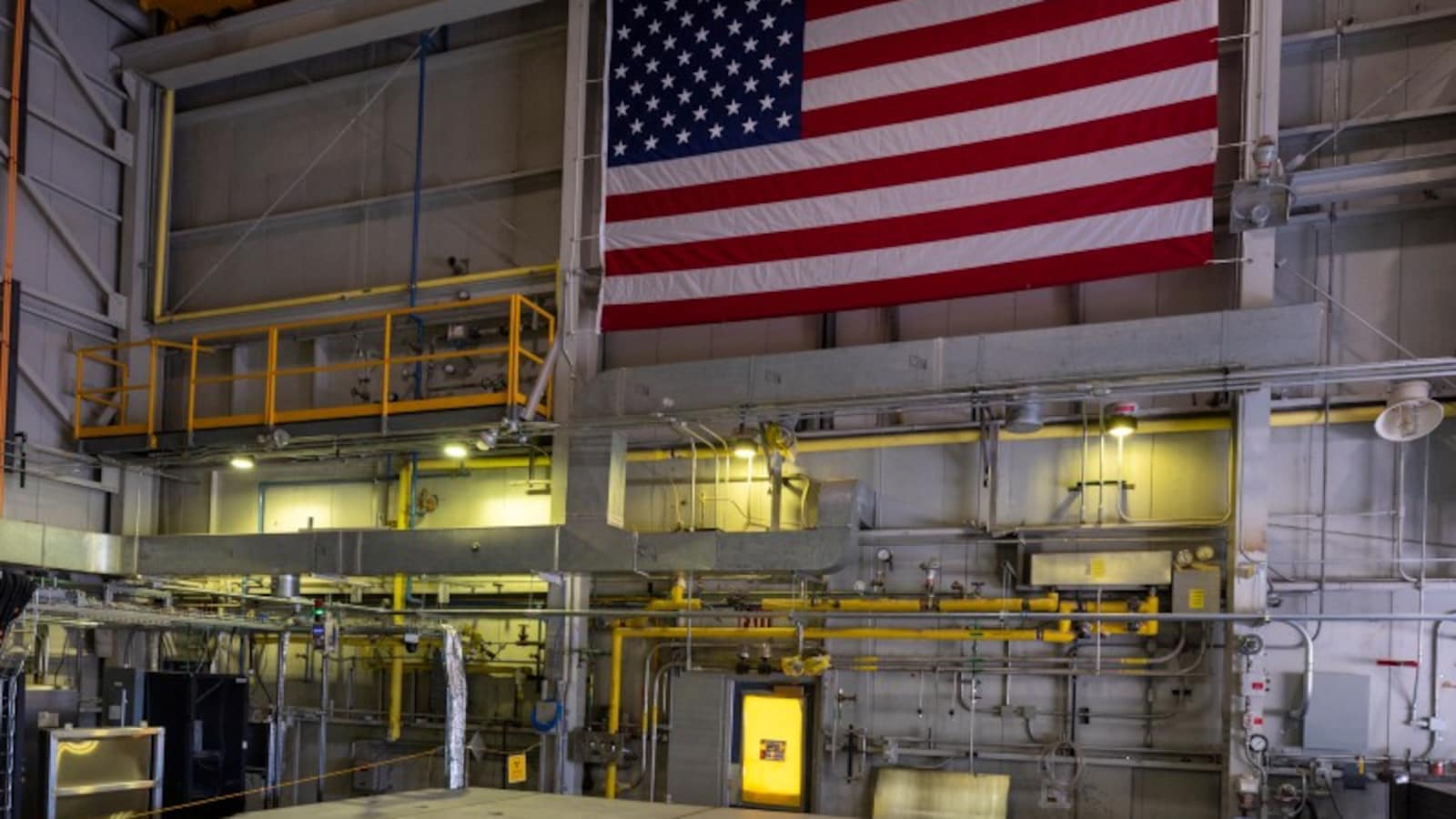
Army Awards $2.2 Billion for Small Nuclear Reactors

China's Edge in Advanced Nuclear Fuel Challenges US Reactor Plans

Trump administration promises $3 billion for critical minerals and batteries

India targets 100 GW nuclear power by 2047, says Modi

Report Links Kid Rock Helicopter Probe to Army Chief Ouster