1 hr ago
GST Law Committee Proposes Higher Prosecution Threshold, Shorter Jail Terms

A committee that advises India’s GST Council has suggested changes to the rules for GST crimes.
It wants the amount needed for prosecution to rise from ₹5 crore to ₹10 crore.
It also suggests a maximum two-year jail term for tax evasion between ₹5 crore and ₹10 crore, instead of three years.
The committee wants judges to be able to choose jail, a fine, or both, depending on how serious an offence is.
But members did not agree on whether GST officials should keep the power to arrest people.
Some think better checks on tax returns could reduce fraud and make arrests unnecessary.
Others say arrests can help enforce the law in serious cases, as long as safeguards prevent misuse.
The GST Council is expected to consider the proposals on October 7.

The GST Law Committee proposes raising the prosecution threshold from ₹5 crore to ₹10 crore.
For tax evasion between ₹5 crore and ₹10 crore, it proposes lowering the maximum jail term from three years to two.
The committee recommends letting courts choose imprisonment, a fine, or both based on the offence.
The committee could not agree on removing GST authorities’ power to arrest, leaving the decision to the GST Council.
The proposals are due before the GST Council on October 7.
- Who
- The GST Council is to consider proposals deliberated by its Law Committee, which comprises officials from the Centre, States and Union Territories with legislatures.
- What
- Proposed changes include a higher prosecution threshold, shorter maximum jail terms for some offences, greater judicial discretion over punishment, and a decision on arrest powers.
- Where
- India.
- When
- The proposals are due to be placed before the GST Council at its October 7 meeting; the article was published October 4, 2026.
- Why
- The committee cited economic growth as a reason to raise the prosecution threshold and proposed changes to punishment provisions; it did not agree on whether arrest powers should be removed.
Remove arrest power
Retain arrest power
GST authorities’ power to arrest
Remove arrest power
One view is that proposed safeguards in return filing could reduce mismatches and fraudulent input tax credit claims, making arrest powers unnecessary; prosecution powers would still be available to address fraud.
Retain arrest power
Another view is that arrest remains important in serious cases and that weakening enforcement could harm compliance. This side favors retaining the power with safeguards against misuse.
Key facts
- Proposed prosecution threshold
- Raise it from ₹5 crore to ₹10 crore.
- Proposed maximum sentence
- For tax evasion of ₹5 crore to ₹10 crore, reduce the maximum from three years to two years.
- Judicial discretion
- Allow courts to impose imprisonment, a fine, or both based on the offence’s nature and severity.
- Arrest provision
- The Law Committee did not agree on whether to remove it; the GST Council will decide.
- GST Council meeting
- The proposals are scheduled to be placed before the Council on October 7.
- Publication date
- October 4, 2026.
Quotes
A GST Council official
An official discussing the Law Committee’s deliberations.
“There was consensus on revising the threshold for prosecution, imprisonment and judicial discretion in awarding punishments. However, there were different views on completing removing provisions related to arrest, so it has been left to GST Council to take a final call.”
 thehindubusinessline.com
“There was view that dilution of enforcement power may adversely affect the compliance. So, power of arrest should be retained with appropriate safeguards to check misuse.”
thehindubusinessline.com
Sources
Related news
GST Council May Remove Arrest Powers Over Tax Offences

October GST Council to Prioritise Process Reforms, FM Says
Sitharaman Seeks Evidence-Based Tax Reforms, Outdated Rules Removed
CBDT Removes Arrest Provisions From Tax Recovery Rules
GST Council Meeting Rescheduled to 7 October Amid BRICS Summit
GST Council October 7 Meet Targets Process Reforms
India’s Developed-Economy Goal Depends on Inclusive Development, Radhakrishnan Says
Businesses Await Key Decisions at Rescheduled 57th GST Council Meeting
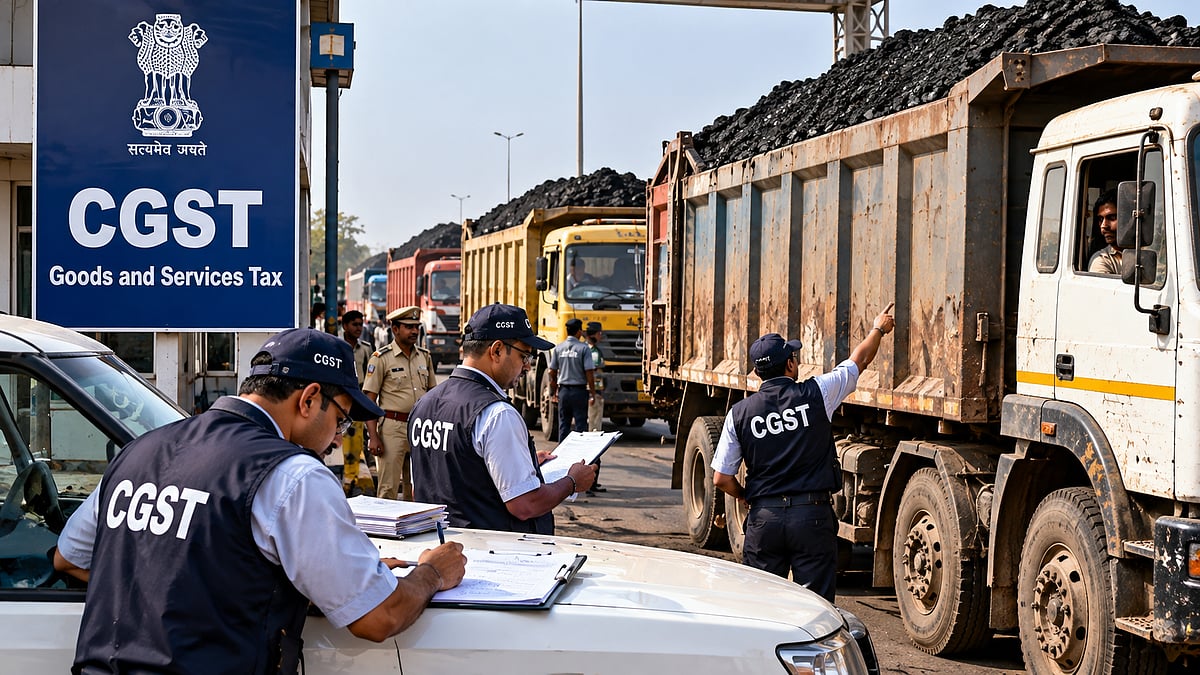
CGST Checks Halt Coal Trucks in Assam, Recover ₹40.42 Lakh