5 hrs ago
Pakistan's Terror Elimination Claims Face Serious Credibility Questions
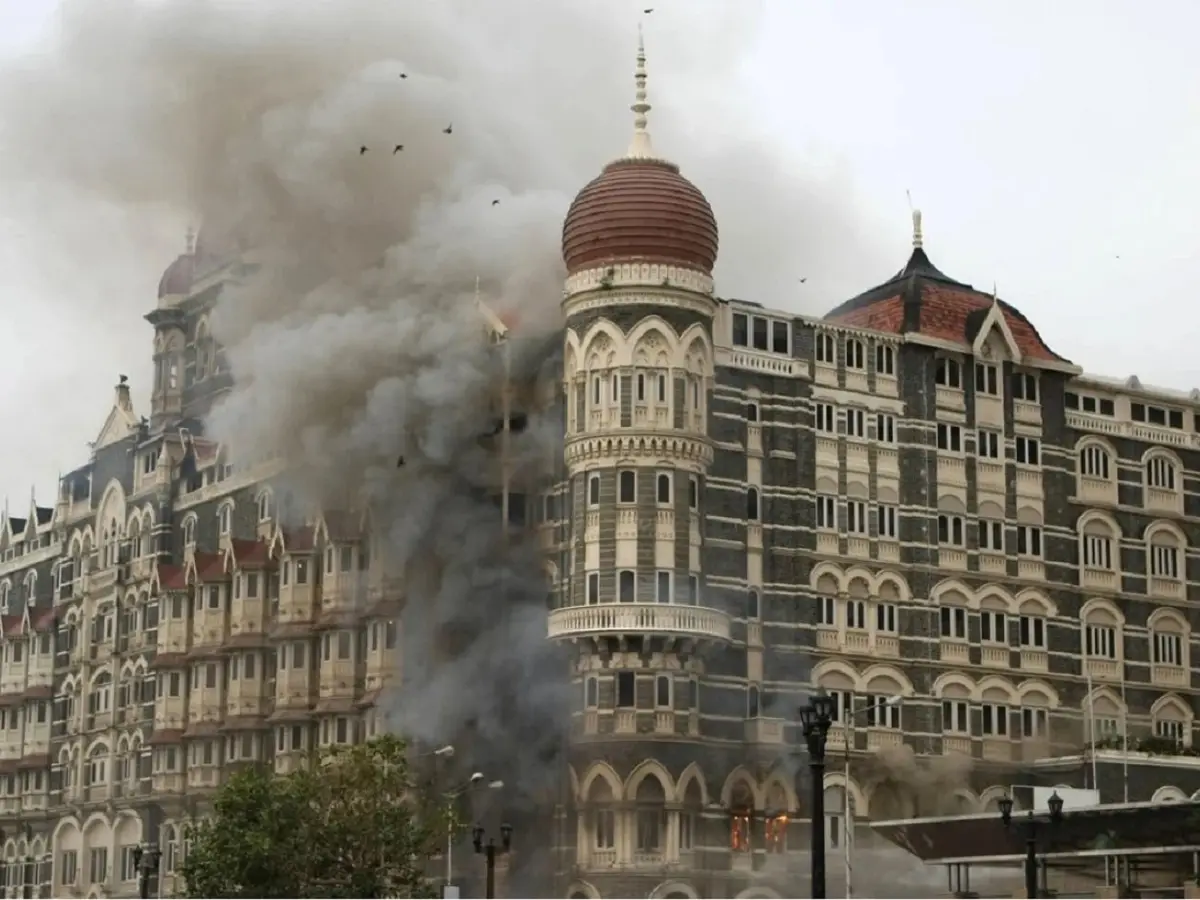
Pakistan’s leaders say their country has brought terrorism under control.
The article argues that this claim is difficult to believe.
It points to past statements acknowledging support for terrorist groups.
It also cites reports that some militant leaders remain protected or active in Pakistan.
Groups named in the article include Lashkar-e-Taiba and Jaish-e-Mohammed.
The article says Pakistan’s army and intelligence services have historically supported some of these groups.
It also refers to terrorist attacks linked to networks operating from Pakistan.
Its main point is that promises alone will not prove that terrorism has been eliminated.

Prime Minister Shehbaz Sharif told the United Nations that Pakistan had harbored terrorists but claimed they were now under control.
The article cites Pakistan’s Defence Minister Khawaja Asif’s admission that successive governments supported terrorists for 30 years.
It argues that Pakistan’s army and Inter-Services Intelligence have historically provided support, safe havens, or logistical assistance to militant groups.
The article points to the continued public presence or reported protection of figures including Hafiz Saeed, Masood Azhar, Zaki-ur-Rehman Lakhvi, and Syed Salahuddin.
It concludes that Pakistan’s assurances will remain doubtful unless terrorist leaders and networks are demonstrably dismantled.
- Who
- Pakistan’s Prime Minister Shehbaz Sharif, Defence Minister Khawaja Asif, the Pakistani army and Inter-Services Intelligence, and militant figures and groups named in the article.
- What
- Pakistan’s claims that terrorism has been brought under control are challenged by allegations of continuing state links to militant organizations and the freedom of several militant leaders.
- Where
- Pakistan, including Rawalpindi, Islamabad, Lahore, and Abbottabad, as well as locations affected by attacks linked in the article to Pakistan-based networks.
- When
- The article refers to events from the 2001 attacks and later incidents through the Pahalgam attack on April 22, 2025, as well as developments in June 2025.
- Why
- The article says Pakistan’s claims lack credibility because of historical evidence, recent contacts between officials and militant figures, and reports that terrorist leaders remain active or protected.
Pakistan’s stated position
The article’s challenge
Whether terrorism is under control
Pakistan’s stated position
Shehbaz Sharif said Pakistan had previously harbored terrorists but that they were now under control through actions against them.
The article’s challenge
The article says the claim rings hollow because militant leaders, organizations, and support networks allegedly remain active or protected in Pakistan.
Role of the state and military
Pakistan’s stated position
Pakistan’s public position, as presented in the article, emphasizes action against terrorism and rejects the idea that banned groups continue to operate as before.
The article’s challenge
The article argues that elements of Pakistan’s army and Inter-Services Intelligence have historically provided training, safe havens, or logistical support to militant groups.
Meaning of recent official and public contacts
Pakistan’s stated position
Pakistan’s leadership presents its counterterrorism policy as a break from past conduct.
The article’s challenge
The article cites photographs of officials and militant figures, including Hafiz Talha Saeed and Saifullah Kasuri, as evidence that ties and public access remain concerns.
Key facts
- Pahalgam attack
- The article says 26 civilians were killed in Jammu and Kashmir on April 22, 2025.
- Pakistan’s stated position
- Shehbaz Sharif said at the United Nations that terrorists once harbored by Pakistan were now under control.
- Khawaja Asif’s admission
- The Defence Minister was quoted as saying Pakistan’s governments had supported terrorists for 30 years.
- Lashkar-e-Taiba
- The article identifies the group as responsible for the 2008 Mumbai attacks and says its founder Hafiz Saeed remains influential.
- Jaish-e-Mohammed
- The article links the group to the 2001 Indian Parliament attack and the 2019 Pulwama bombing.
- Osama bin Laden
- The article says he was found in Abbottabad in 2011, near Pakistan’s premier military academy.
- Article’s conclusion
- It argues that Pakistan’s assurances will remain doubtful while militant leaders and networks continue to operate freely.
Quotes

Khawaja Asif
Pakistan’s Defence Minister
“Lashkar is a name from the past. It does not exist”
 thehansindia.com
Owen L. Sirrs
Author of a book on Pakistan’s Inter-Services Intelligence Directorate
“owned by the Army Chief (and) not the Prime Minister”
thehansindia.com
Sources
Related news
Pakistan Lists 26/11 Operatives, Omits Key Masterminds
India Challenges Pakistan At UN Over 9/11 Safe Havens
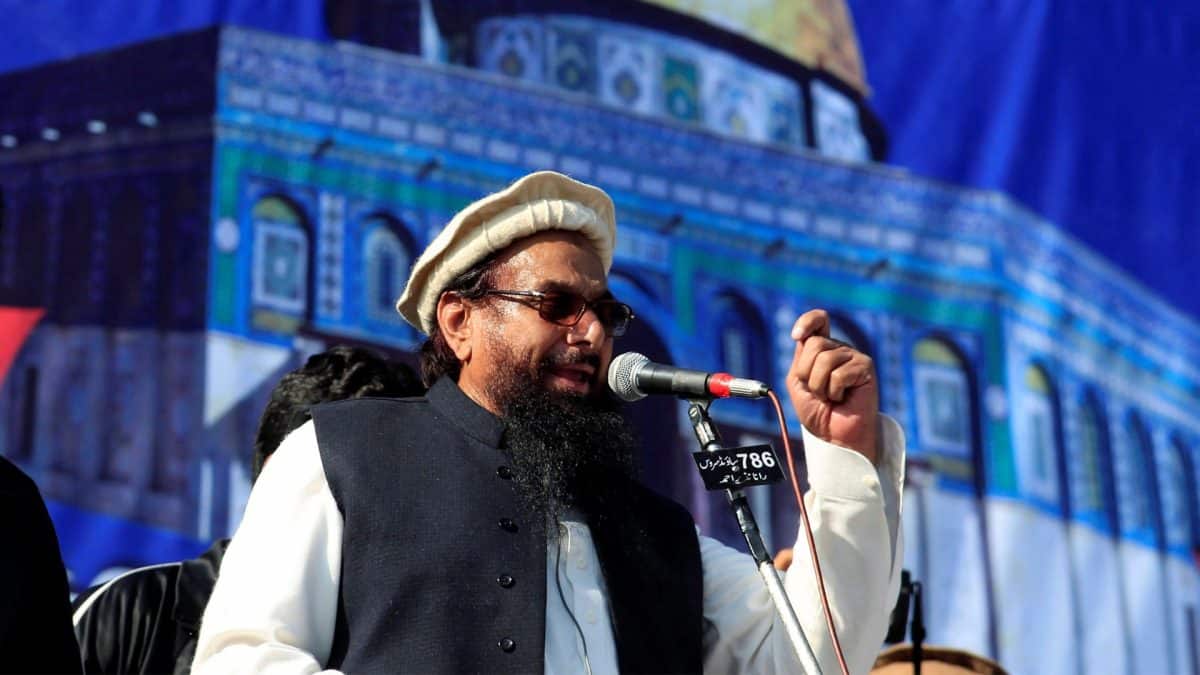
Hafiz Saeed’s Son Renews Anti-India Jihad Threats, Praises Munir
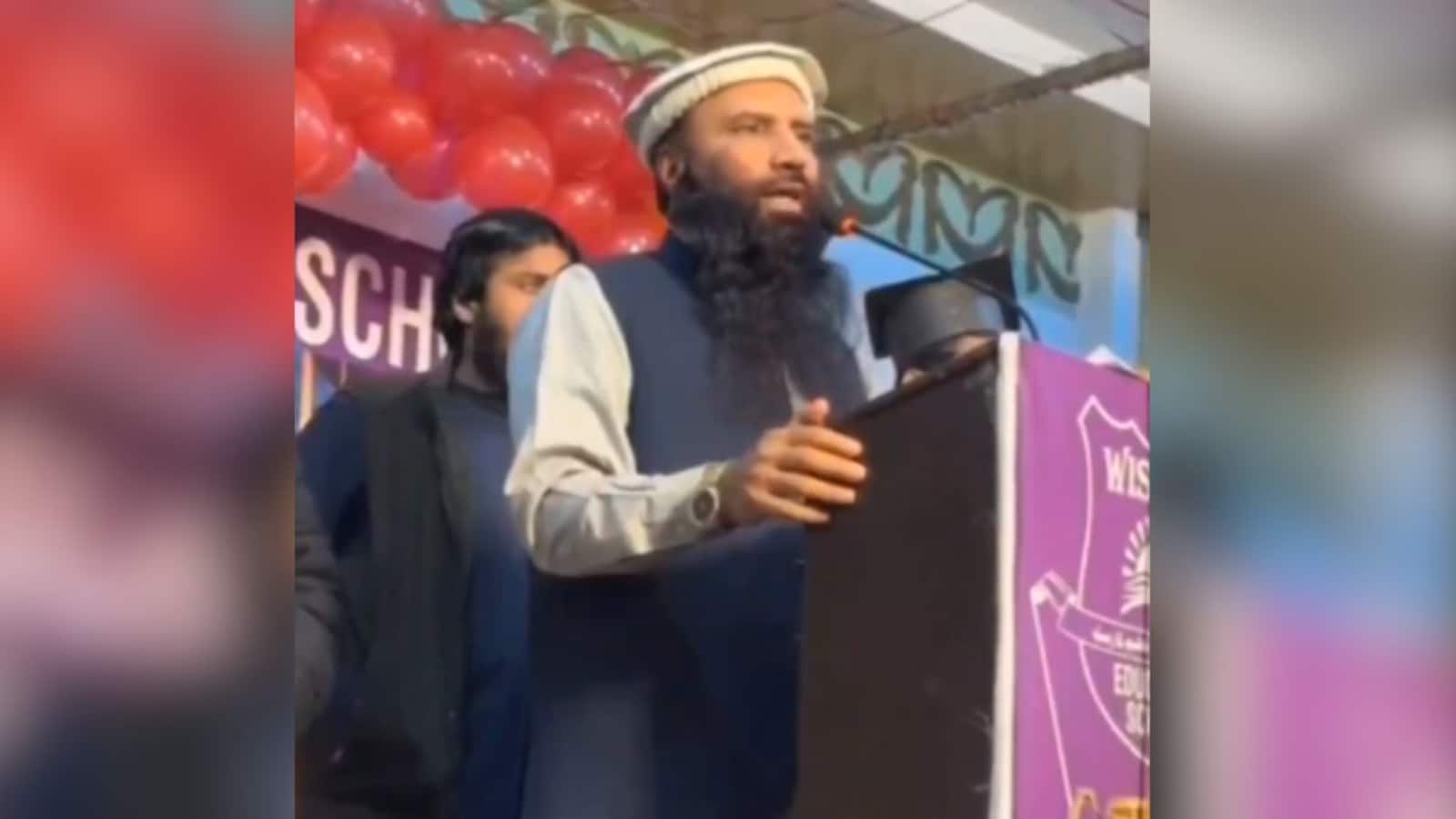
NIA Court Issues Warrant for Pahalgam Attack Mastermind
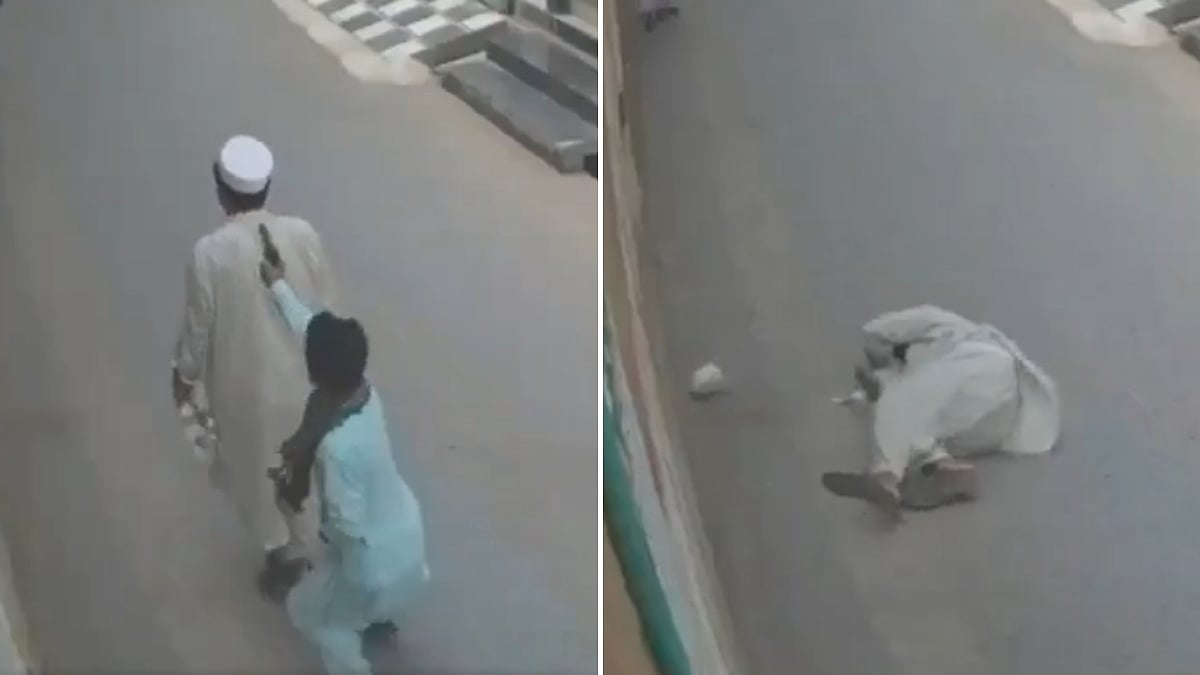
Viral Video Fuels Claims Jaish Recruiter Was Shot Dead

Jammu Court Issues Second Warrant Against Hafiz Saeed
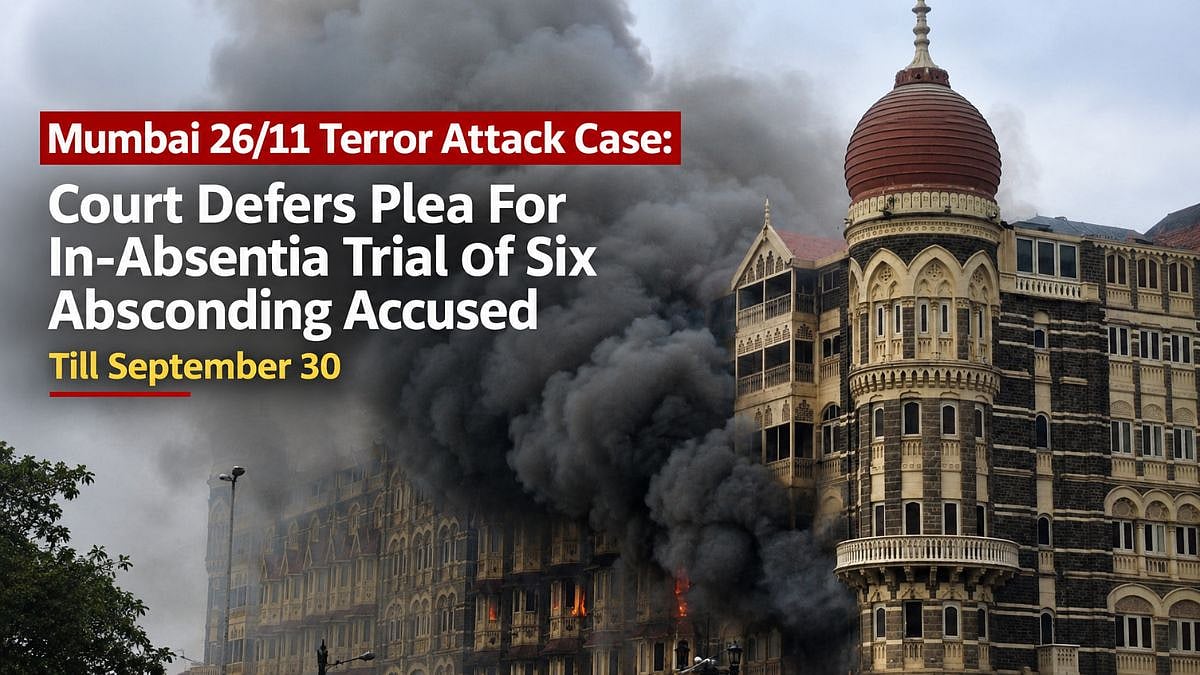
Mumbai Court Defers In-Absentia Trial Plea Until September 30

Pakistan’s Masood Azhar Reward Grows Amid Continuing FATF Scrutiny