0 months ago
Gold holds gains as progress on Hormuz deal lowers rate-hike odds

Gold is a shiny metal that people buy when they think money might become less valuable.
Lately, gold's price has been going up.
That is because there may be a deal to let ships sail through a very important waterway called the Strait of Hormuz.
If ships can sail again, oil prices may calm down, and the US central bank may not need to raise interest rates as much.
When rates stay low, gold becomes more attractive because it doesn't pay interest.
Iran and Oman said they agreed on a temporary route through the strait for two to four months.
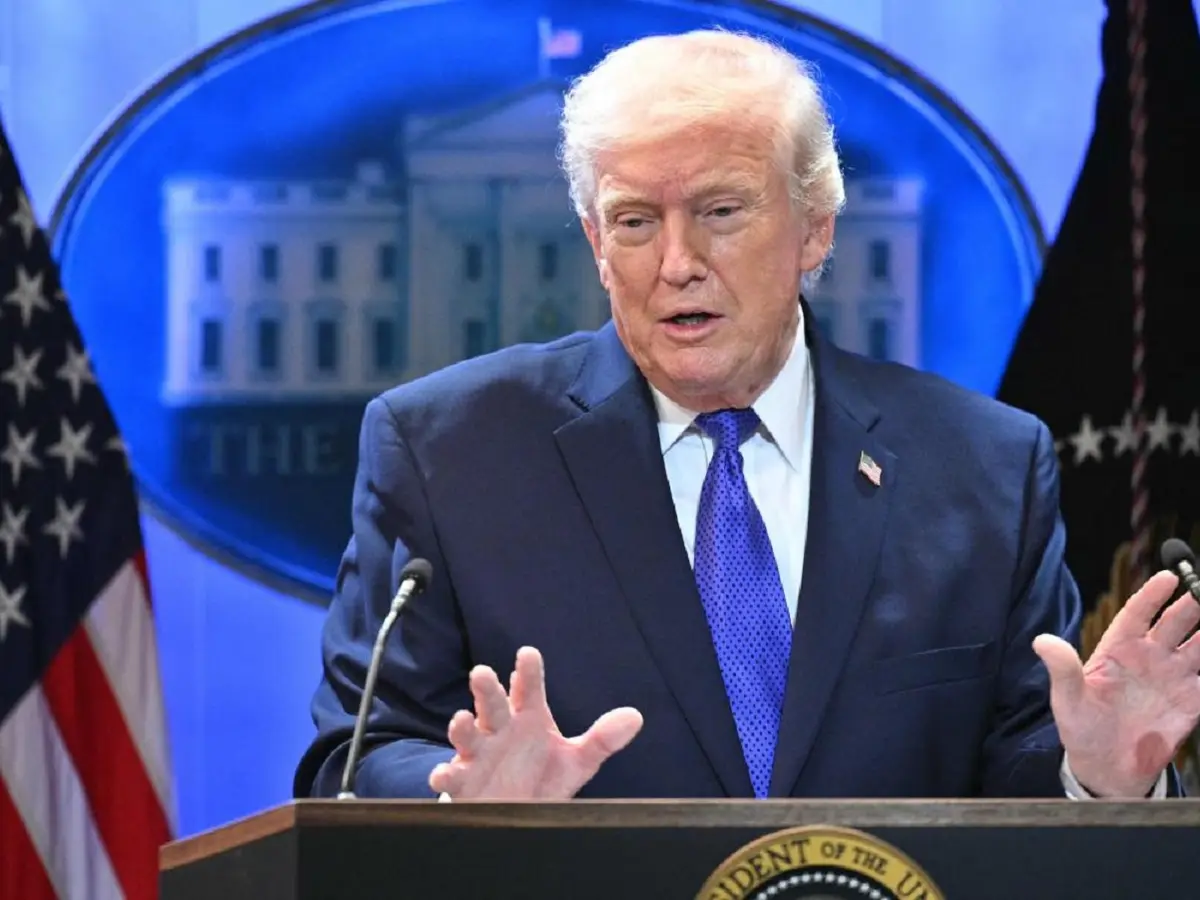
The US president said a deal could happen very soon, though talks are still going on.
Since a war between the US and Iran started in late February, gold had actually fallen a lot.
Now, investors in China and around the world are buying gold again.
The US central bank has decided not to raise rates for now, but one official warned she would raise them if prices keep climbing too fast.

Gold rose more than 4% in one session, its biggest gain since Feb. 3, after Iran said it reached agreement with Oman on a temporary shipping route through the Strait of Hormuz.
Markets now fully price in one US rate hike by year-end, down from two as recently as last week, which is seen as positive for gold.
Iranian Deputy Foreign Minister Kazem Gharibabadi said the route would last two to four months and does not mean the full reopening of the strait.
Federal Reserve Governor Lisa Cook said she is ready to raise rates if inflation does not slow, warning that the central bank may not have the luxury of waiting to reach its 2% target.
Gold has fallen by nearly a fifth since the US-Iran war began in late February, though gold-backed ETFs in China saw 14 straight days of inflows up to Monday.
The Bank of Korea announced plans to establish a framework to purchase gold refined in South Korea, which would be its first purchase of domestically produced gold since 1967.
- Who
- Iran, Oman, Qatar, the United States, the Federal Reserve, and the Bank of Korea, with comments from Iranian Deputy Foreign Minister Kazem Gharibabadi, US President Donald Trump, and Fed Governor Lisa Cook.
- What
- Gold rallied sharply as progress toward reopening the Strait of Hormuz lowered expectations of Federal Reserve rate hikes, while the Bank of Korea announced plans to purchase domestically refined gold.
- Where
- The Strait of Hormuz, with global bullion trading referenced in New York and Singapore, and gold purchases planned by the Bank of Korea in South Korea.
- When
- This week, within the context of a US-Iran war that began in late February and a Fed meeting last week.
- Why
- Progress toward a temporary reopening of the strait eased energy-driven inflation concerns, reducing expected Fed rate hikes, which is generally positive for gold.
Deal optimism and market relief
Inflation worry and official caution
Monetary policy path
Deal optimism and market relief
Progress on the Hormuz deal eases inflation pressure, so markets reduced expected Fed hikes to one and see less tightening as positive for gold.
Inflation worry and official caution
Fed Governor Lisa Cook warns she is ready to raise rates if inflation does not slow, saying the central bank may not have the luxury of waiting to reach its 2% target.
Scope of the Hormuz arrangement
Deal optimism and market relief
US President Donald Trump said a deal is possible as early as Wednesday and that he prefers a deal to ending the war militarily, signaling optimism over reopening the strait.
Inflation worry and official caution
Iranian Deputy Foreign Minister Kazem Gharibabadi stressed the route is temporary, lasting two to four months, and 'does not mean the full reopening' of the Strait of Hormuz.
Key facts
- Gold price
- Around $4,070-$4,262 per ounce during the reporting period
- Gold move
- Jumped 4.1%-4.2% in one session, the biggest gain since Feb. 3
- Silver price
- Around $59-$62 per ounce, up more than 4% in one session
- Rate-hike expectations
- Markets fully price one US rate hike by year-end, down from two last week
- Fed policy
- Fed officials held rates steady for the fifth straight time; three dissenters favored a hike
- Hormuz route
- Temporary route agreed between Iran and Oman, active for two to four months
- Bank of Korea
- Working on framework to buy domestically refined gold, first such purchase since 1967
- China gold demand
- Gold-backed ETFs in China saw 14 straight days of inflows up to Monday
Quotes
Anna Paulson
President of the Federal Reserve Bank of Philadelphia
“"Gold is the liquidity sponge of the macro complex, and it’s one of the first things to get hit on any whiff of rate‑tightening risk, structural or headline"”
 livemint.com
“"keeping an open mind" on the future direction of policy as there were conflicting signs”
livemint.com
Sources

Related news

Gold Steadies as Fed Rate Path and Mideast Tension Weighed
Gold Steady, Oil Rises on Iran Hormuz Vessel Ban Proposal

Gold Extends Five-Day Gain as Oil Drop Eases Inflation Fears

Gold Jumps on Weak US Jobs Data, Rate-Hike Hopes

Gold, silver jump as US-Iran de-escalation hopes boost prices

US-Iran Strikes Escalate as Tehran Warns of New Strategy
Trump Warns of Fresh Iran Strike After Heavy Attack

Trump Says US Could Attack Iran Again at Will
U.S. Treasury Yields Ease as Jobs Data Misses Expectations
Iran Seizes Fuel-Smuggling Vessel in Gulf, Arrests 11 Crew