3 weeks ago
Emerging Currencies Weaken as US-Iran Standoff Lifts Dollar

Money isn't just paper and coins — countries have different kinds of money, called currencies.
The United States and Iran are in a big disagreement right now.
Because of this, people who buy and sell oil worry that oil will be hard to get, so the price of oil jumped.
When oil costs more, the money of many other countries becomes worth less compared to the US dollar.
That is what happened on Monday to the money of South Korea, Hungary, Brazil, South Africa and other countries.
The US dollar got stronger, partly from Middle East worries and partly because everyone is waiting for fresh numbers about how fast prices are rising in the US.
Last week, the US reported a surprise: some jobs were cut in July.
Now traders are watching a big report coming Wednesday that will show how much prices went up in America.
Meanwhile, stocks in developing countries rose a little, helped by computer-chip related companies in Taiwan.
Some people think those stocks are a bargain because they now cost less than half as much as US stocks.

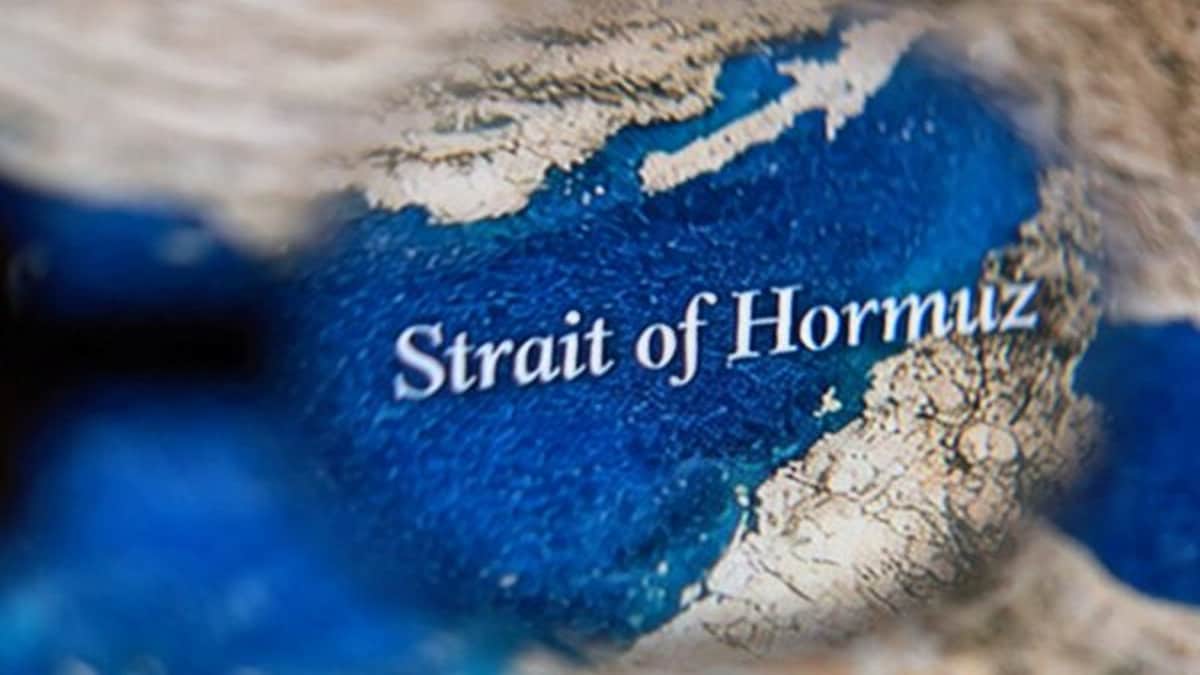
Most emerging-market currencies weakened against the dollar on Monday as fading hopes of a US-Iran deal to reopen the Strait of Hormuz pushed Brent crude up more than 5% to above $87 a barrel.
The South Korean won, Hungarian forint and Brazilian real were among the biggest losers, while the South African rand declined 0.3%.
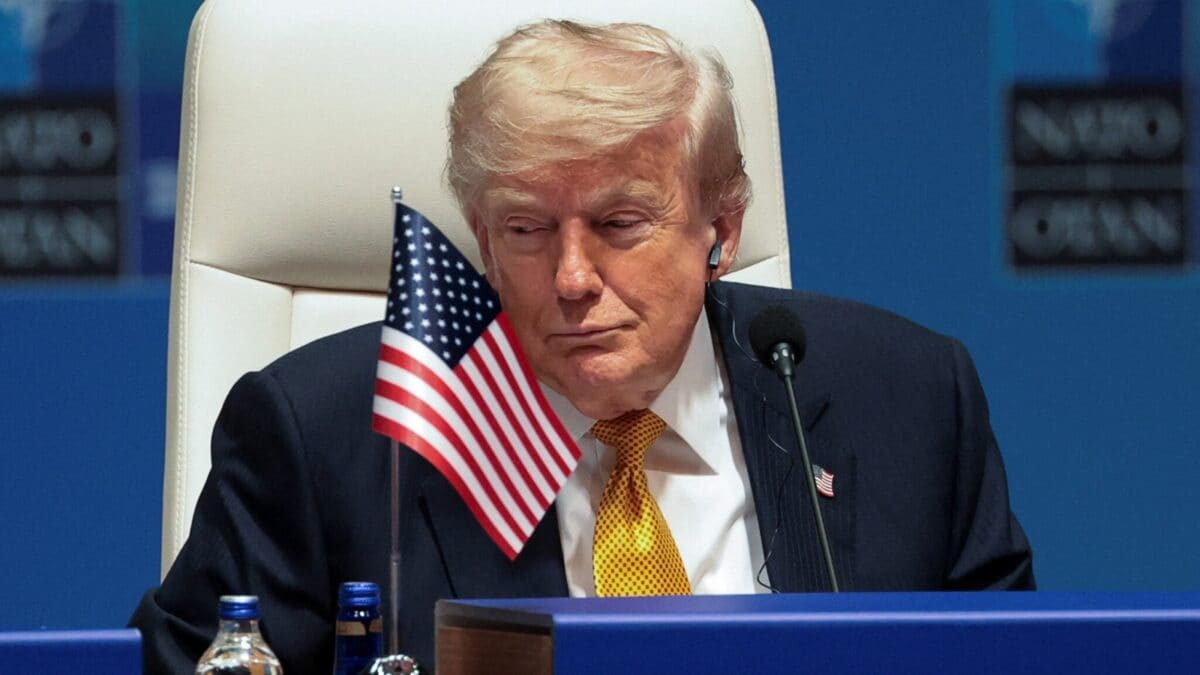
US President Donald Trump lashed out at Iran's war compensation demands and signaled he would let economic pressure build rather than launch fresh military strikes.
Traders are focused on Wednesday's US CPI report after data showed employers unexpectedly cut jobs in July, suggesting a weaker labor market.
Emerging-market equities rose on Taiwanese AI-linked gains, and EM stock valuations fell below half of US equities for the first time in at least two decades.
- Who
- US President Donald Trump, Iran, and traders and investors in emerging markets, with commentary from Dan Pan of Standard Chartered Bank and Wee Khoon Chong of BNY.
- What
- Most emerging-market currencies weakened against the dollar as Brent crude rose more than 5% to over $87 a barrel on fading hopes of a US-Iran deal to reopen the Strait of Hormuz.
- Where
- Global emerging markets, with the Strait of Hormuz and Washington-Teheran negotiations in focus; notable moves in South Korea, Hungary, Brazil, South Africa and Romania.
- When
- Monday, ahead of Wednesday's US CPI inflation report.
- Why
- Rising Middle East tensions and a stronger dollar pressured EM currencies, while investors awaited US inflation data to gauge the Federal Reserve's next policy moves.
Iran's Position
US Position
War compensation in talks to end the conflict
Iran's Position
Iran is demanding war compensation as part of negotiations to wind down the conflict.
US Position
President Trump lashed out against Iran's demands for war compensation.
Reopening the Strait of Hormuz
Iran's Position
An imminent US-Iran deal is expected to reopen the Strait of Hormuz and help end the war.
US Position
Washington is unlikely to reach an immediate pact; Trump prefers letting economic pressure build rather than launching fresh military strikes.
Key facts
- Brent crude
- Rose more than 5% to above $87 per barrel on Monday
- South African rand
- Declined 0.3%
- Biggest currency losers
- South Korean won, Hungarian forint, Brazilian real
- US CPI report
- Due Wednesday; seen as key catalyst for the dollar and EM currencies
- US jobs data
- Employers unexpectedly cut jobs in July; prior months revised lower
- EM vs US stock valuations
- EM valuations fell below half of US equities for the first time in at least two decades
- Romania credit rating
- Moody's affirmed Romania's credit score on Friday, averting a possible downgrade to junk
- EM equities
- Rose, supported by gains in Taiwanese AI-linked shares
Quotes
Wee Khoon Chong
Senior Asia Pacific market strategist at BNY in Hong Kong
“"US CPI this week will be the key catalyst, dictating near‑term evolution of the US dollar and therefore EM currencies,"”
 livemint.com
“"Middle East uncertainty continued to weigh on risk sentiment,"”
livemint.com
Sources
Related news

Emerging-Market Stocks, Currencies Gain After Soft US Jobs Data
Dollar Rises as Oil Rally Fuels Inflation Concerns
Oil prices rise as US-Iran talks stall over Hormuz

Rupee Settles Higher at 95.33 as Brent Nears USD 90
Asian Stocks Edge Higher on US Jobs Data; Oil Climbs
Rupee Slips Against Dollar Amid Oil and Tension

Iran Seizes Fuel-Smuggling Vessel in Gulf, Arrests 11 Crew
Trump Floats Renaming Strait of Hormuz as “Trump Strait”

Chevron Plans $7 Billion Venezuela Expansion Amid U.S. Oil Push
Saudi Tanker Hit in Hormuz, Killing Two Filipino Sailors
U.S.-Iran Exchange Escalates Across Middle East, Markets Slide