1 hr ago
Trump-Xi Summit Eases Tensions but Sharpens Global Rivalry
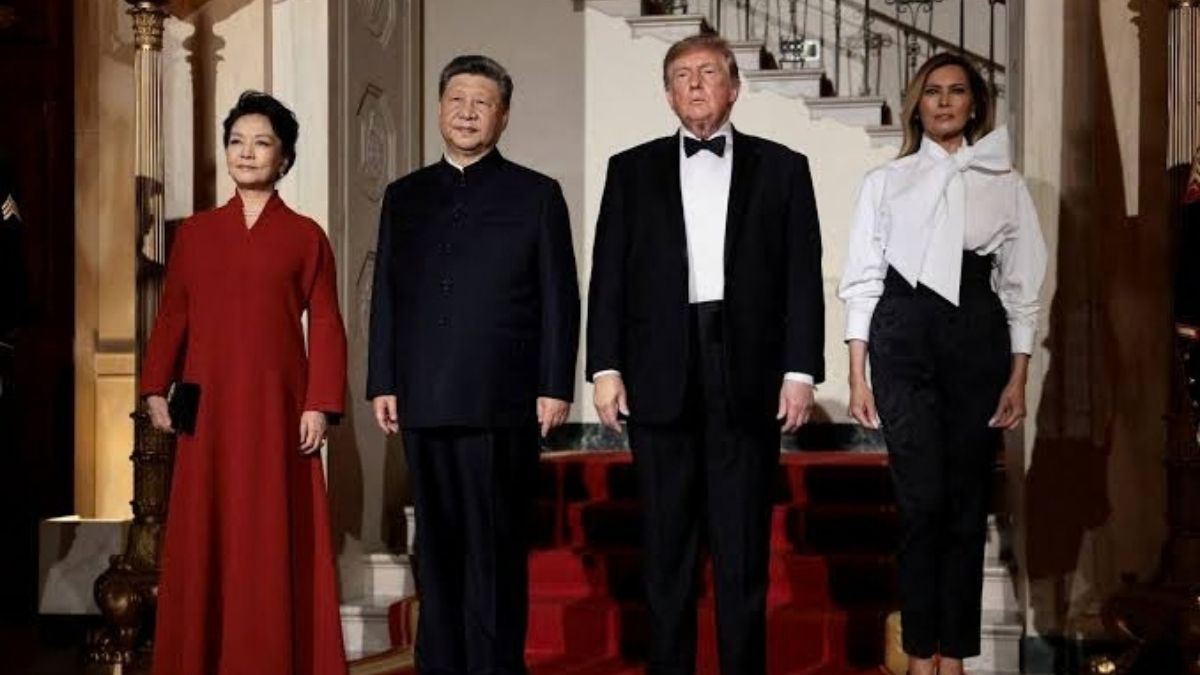
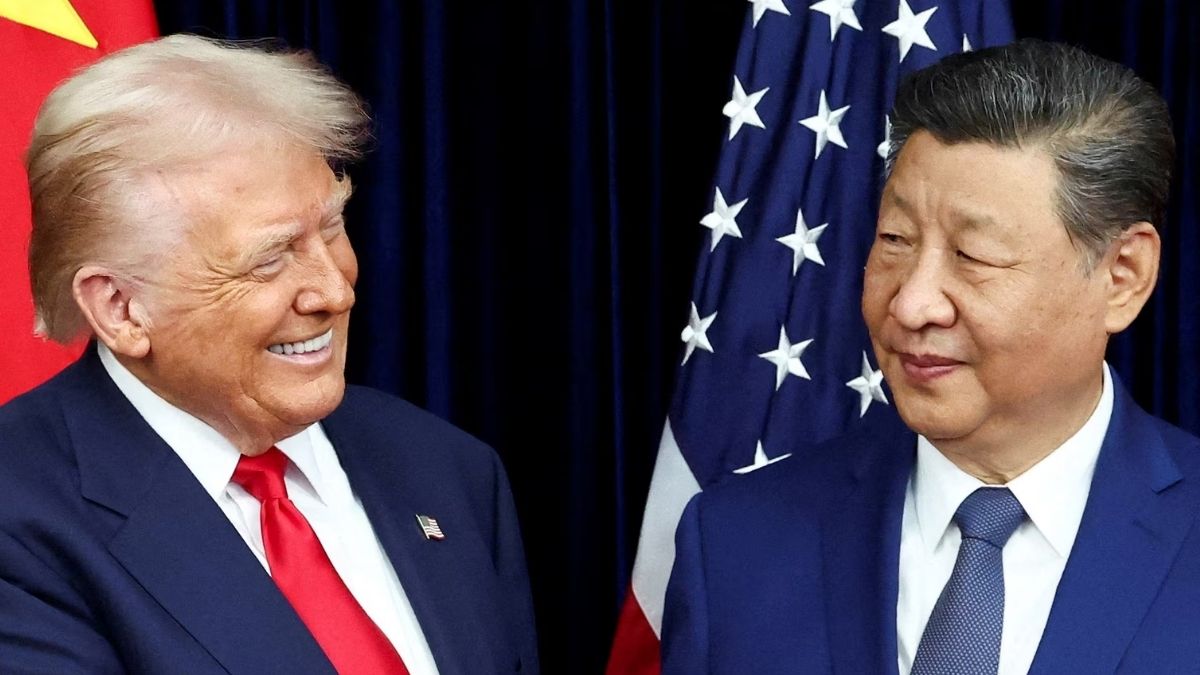
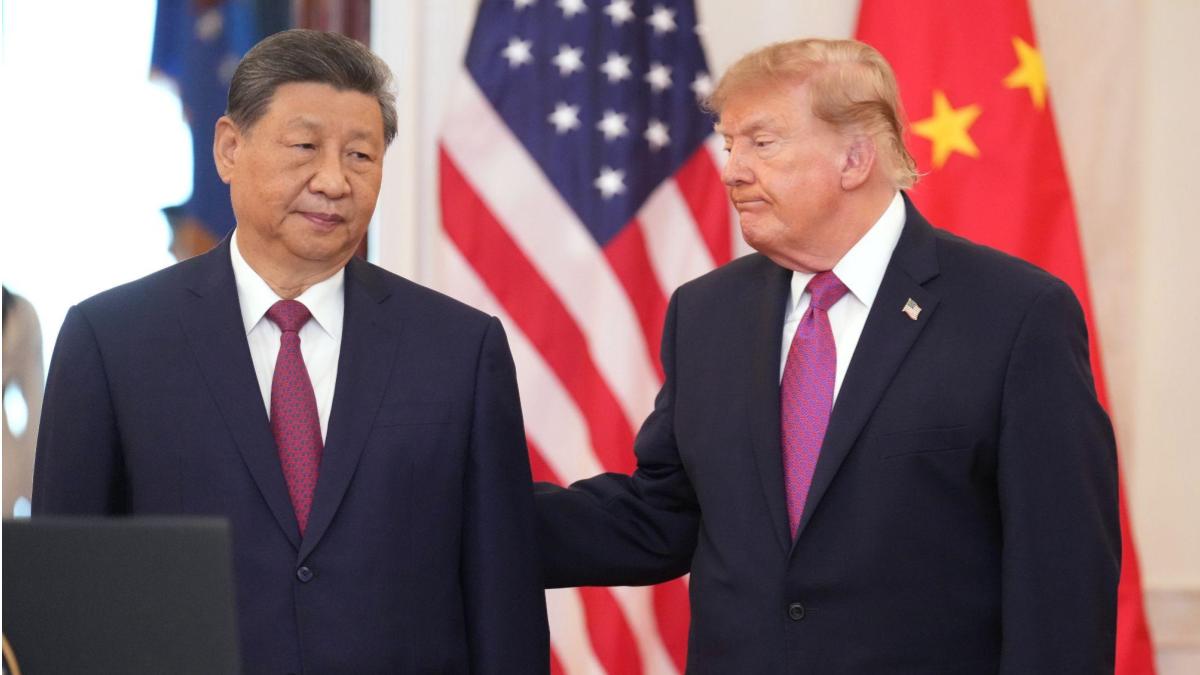
Donald Trump and Xi Jinping met to discuss the difficult relationship between the United States and China.
They were friendly in public, but their countries still compete strongly.
They talked about trade, artificial intelligence, Taiwan, and rare-earth minerals.
Their trade arrangement was extended until January 2027.
However, they did not announce a major new trade agreement.
Both countries want to lead the world in artificial intelligence.
China also has an important role in supplying minerals needed for technology and clean-energy projects.
Nearby countries are strengthening their military partnerships because they are worried about the changing security situation.
The meeting may reduce tensions for a while, but it does not end the rivalry.

President Donald Trump and President Xi Jinping presented a warm relationship while addressing trade, artificial intelligence, Taiwan, and critical minerals.
The existing trade agreement was extended from November 10 until January 2027, but no major agricultural or Boeing deal was announced.
China’s exports rose 25% over the previous year, increasing Beijing’s leverage amid US concerns about trade imbalances.
Washington and Beijing remain locked in competition over artificial intelligence and China’s control of critical-mineral refining and rare-earth exports.
The summit signaled broader security concerns for US allies and may reinforce a bilateral power structure centered on Washington and Beijing.
- Who
- US President Donald Trump and Chinese President Xi Jinping, along with their advisers and delegations.
- What
- A summit that addressed trade, artificial intelligence, Taiwan, rare-earth exports, and wider security competition.
- Where
- Washington, United States; the trade agreement referenced in the article was signed in South Korea.
- When
- The article discusses a 2025 summit, with the trade arrangement extended until January 2027; the leaders were expected to meet again later in 2025.
- Why
- To manage tensions and pursue limited agreements while both countries compete for economic, technological, and global influence.
Defensive Coalition View
Strategic Threat View
Military partnerships
Defensive Coalition View
Japan, the Philippines, South Korea, Australia, the United Kingdom, and the United States see stronger cooperation as protection against China’s expansionism and an uncertain security environment.
Strategic Threat View
China views increasingly integrated military cooperation and coalition-based structures as a broader threat, rather than seeing the United States as its only challenge.
Trade and technology controls
Defensive Coalition View
Washington argues that trade imbalances and China’s control of critical minerals justify efforts to secure supplies and restrict technologies that could strengthen Beijing.
Strategic Threat View
China suspects that calls for an artificial-intelligence slowdown and US export controls are intended to contain its economic and technological rise.
Summit significance
Defensive Coalition View
Personal diplomacy between Trump and Xi could lower tensions and support global stability, security, and peace.
Strategic Threat View
A bilateral power structure dominated by Washington and Beijing could weaken a rules-based or multilateral order and produce decisions that do not serve other countries’ interests.
Key facts
- Trade arrangement
- Extended from November 10 until January 2027.
- China’s export growth
- Exports rose 25% over the previous year, according to the article.
- Artificial intelligence
- Both governments view AI leadership as strategically important, while Washington considers measures to limit China’s development.
- Critical minerals
- China possesses about 70% of the world’s critical minerals and rare earths, according to the article.
- Unresolved issue
- Taiwan remained a major point of disagreement, with Xi warning the United States to handle it carefully.
- Regional security
- Japan, the Philippines, South Korea, Australia, the United Kingdom, and the United States are described as deepening security cooperation in different ways.
Quotes

Fumio Kishida
Former Japanese prime minister, warning about security risks involving Taiwan and East Asia
“Ukraine today might be East Asia tomorrow”
 financialexpress.com
“whoever wins AI, wins!”
financialexpress.com
Sources
Related news
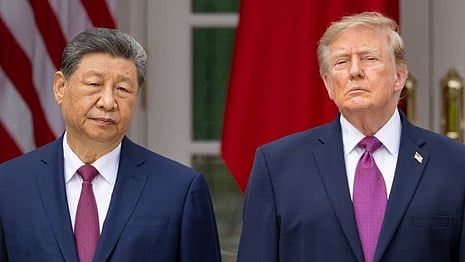
Trump-Xi Summit Extends Trade Truce Amid Persistent Rivalry
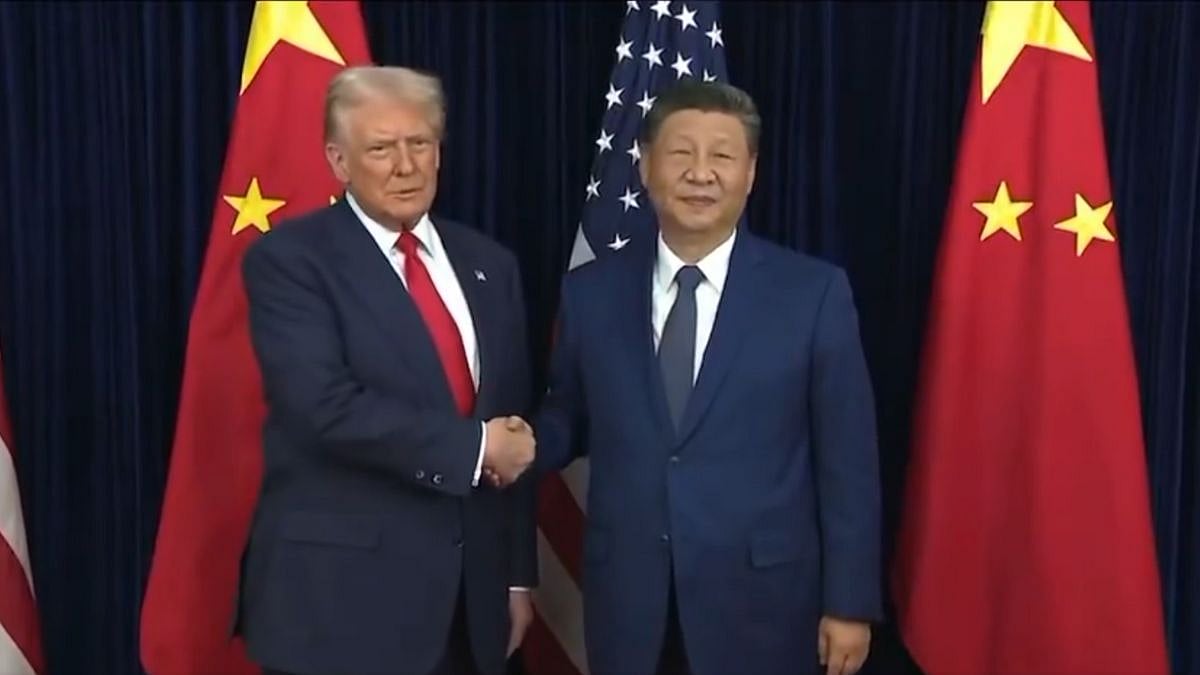
Trump-Xi Washington Summit Tests Managed Rivalry
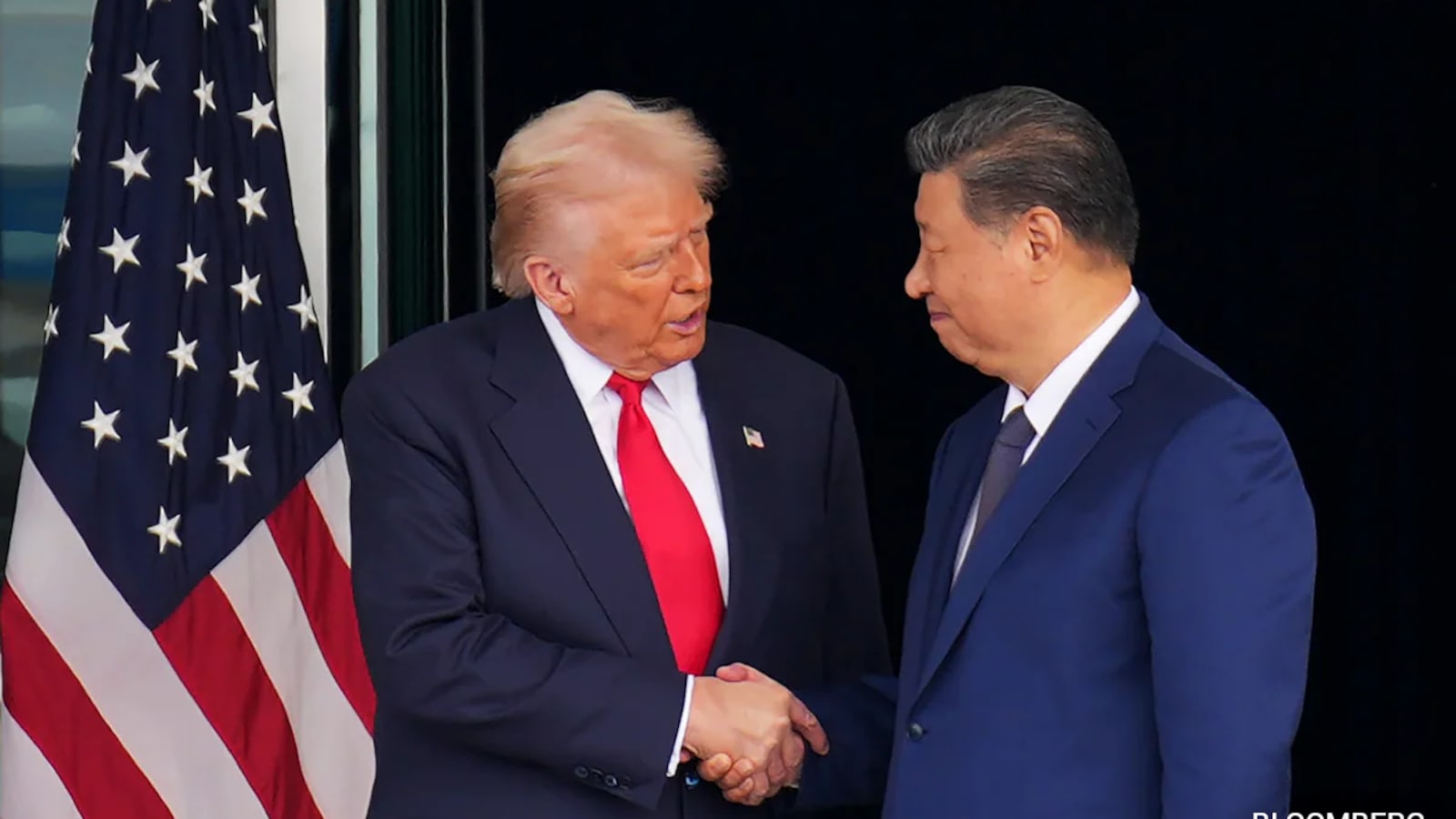
Trump-Xi Summit Emphasizes Pageantry Amid U.S.-China AI Feud
Trump-Xi Meeting Tests Fragile US-China Trade and Technology Truce
Trump-Xi Washington Summit Offers Trade Truce, Limited Breakthroughs

Trump Welcomes Xi With Red Carpet as Trade Talks Loom

ICC and CSA Set to Announce 2027 World Cup Schedule

Jos Buttler Ruled Out of Pakistan Tri-Series After Hamstring Injury

Albanese Says India-Australia Partnership Is Underutilised
Rajasthan Governor Says Ethanol Can Shield India From Oil Risks