2 weeks ago
New Maharashtra Rules Let Fadnavis Override Ministers’ Decisions
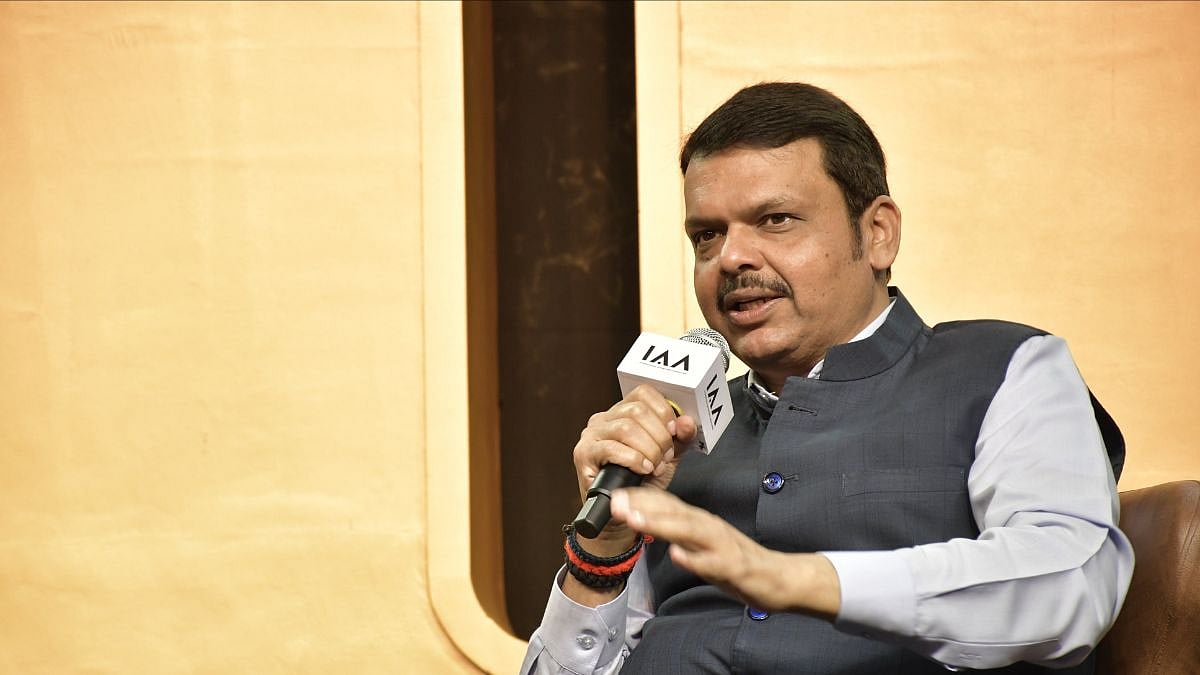
Maharashtra has introduced new rules for how its government should make decisions.
These rules give Chief Minister Devendra Fadnavis the power to change a minister’s decision when he believes it is not in the public interest.
He must explain that decision in writing.
The minister in charge still remains mainly responsible for the department.
The chief minister can also ask any department for files or documents.
The change follows a 2023 court case involving former Chief Minister Eknath Shinde.
In that case, the court said the older rules did not let the chief minister change a department minister’s decision.
The new rules clearly add that power, except in judicial matters.
There is no public confirmation that Fadnavis has used the power yet.

Maharashtra has notified the Government Rules of Business, 2026, replacing the 1975 framework.
The rules allow Chief Minister Devendra Fadnavis to override a minister’s decision in the public interest.
Fadnavis must record written reasons, and the provision excludes judicial matters.
The change follows a 2023 Bombay High Court ruling involving Eknath Shinde’s intervention in a cooperative bank recruitment decision.
The rules also require ministers and department secretaries to provide files requested by the chief minister.
- Who
- Maharashtra Chief Minister Devendra Fadnavis, state ministers, department secretaries, and the Maharashtra government; the earlier case involved Eknath Shinde and Cooperation Minister Atul Save.
- What
- The Maharashtra Government Rules of Business, 2026 allow the chief minister to override a minister’s decision in the public interest, with written reasons.
- Where
- Maharashtra; the earlier legal case was heard by the Nagpur Bench of the Bombay High Court.
- When
- The new rules were notified in 2026, following a Bombay High Court order dated March 3, 2023.
- Why
- The rules replace the 1975 framework and clarify the chief minister’s authority after the court ruled that the earlier rules did not provide supervisory power over a departmental minister’s decision.
Government’s Administrative Rationale
Political Concerns
Purpose of the rules
Government’s Administrative Rationale
The government presents the changes as an administrative and legal reform that clarifies the division of authority under the Rules of Business.
Political Concerns
Political discussion has questioned whether the rules also strengthen the chief minister’s position within the Mahayuti coalition.
Ministerial autonomy
Government’s Administrative Rationale
Ministers retain primary responsibility for their departments, so the new rules do not abolish their powers.
Political Concerns
The explicit override authority and access to departmental files could shift the balance toward the chief minister.
Fadnavis and Shinde
Government’s Administrative Rationale
The change addresses the legal gap identified by the 2023 court ruling involving Eknath Shinde’s intervention.
Political Concerns
Because Shinde is now deputy chief minister and Fadnavis is chief minister, some have linked the change to reported differences between the Mahayuti allies.
Key facts
- New framework
- Maharashtra Government Rules of Business, 2026
- Previous framework
- Maharashtra’s 1975 Rules of Business
- Override authority
- The chief minister may override a minister’s decision when the intervention is in the public interest.
- Written reasons
- The chief minister must record reasons in writing when using the override power.
- Exception
- Rule 13(5) excludes judicial matters from the override provision.
- File access
- Ministers and department secretaries must provide files or documents requested by the chief minister.
- Earlier court case
- The Nagpur Bench of the Bombay High Court set aside Eknath Shinde’s stay on recruitment by the Chandrapur District Central Cooperative Bank in 2023.
- Use of power
- There has been no public confirmation that Devendra Fadnavis has yet overturned a minister’s decision under the new rules.
Sources
Related news

Indian Political Roundup Covers Governance, Travel, Security And Water
New Maharashtra Rules Expand Chief Minister Fadnavis’s Authority
Fadnavis: Maratha Quota Decisions Bound by Constitutional Framework

Fadnavis Warns Mahayuti Leaders Against Infighting and Public Criticism
Fadnavis Pause Order Exposes Sena-BJP Rivalry Over Marathi Drivers

Maharashtra Orders Crackdown on Unauthorised Mantralaya Appointments by September 10
New Daily Mumbai–Sawantwadi Train To Start September 3

Maharashtra Ministers Seek End to Jarange Patil’s Maratha Quota Fast
Maharashtra Land Bank Aims to Speed Infrastructure Projects
Maharashtra CM Signals Hinjawadi Transfer To PCMC Soon

Anna Hazare Improves, to Stay in Mumbai Hospital Two Days