3 weeks ago
Samsung Unveils 200MP ISOCELL HPC Camera Sensor With HDR, 4K

Samsung is a big company from South Korea that makes phone cameras.
They just told the world about a new camera part called the ISOCELL HPC.
This part can take pictures with 200 megapixels, which means very detailed and clear pictures.
The sensor uses a special design called DeepPixel.
It can catch more light than the older version, so photos taken in the dark can still look nice.
It also helps take better HDR photos, where both bright and dark parts of a picture look good together.
It can zoom in while keeping the picture looking sharp.
It can record very smooth 4K videos at up to 180 frames per second, which is much faster than usual.
Samsung says this new sensor is already being made in big numbers, so we might see it in phones soon.

Samsung unveiled the 200MP ISOCELL HPC camera sensor as part of a new ISOCELL portfolio.
The sensor is based on DeepPixel architecture and captures more light than its predecessor.
It is designed to enhance HDR photography, low-light performance, and in-sensor zoom.
The ISOCELL HPC supports single-frame 16-bit HDR and 4K video recording at up to 180 fps.
Samsung said the ISOCELL HPC is already in the mass production stage.
- Who
- Samsung, the South Korean electronics giant
- What
- Announced the 200MP ISOCELL HPC camera sensor based on DeepPixel architecture, featuring enhanced HDR photography, low-light performance, and in-sensor zoom
- Where
- Not explicitly specified; Samsung is a South Korean company
- When
- Recently (exact date not specified in the article)
- Why
- To enhance HDR photography, low-light performance, and in-sensor zoom by capturing more light than its predecessor
Key facts
- Company
- Samsung
- Sensor
- ISOCELL HPC (200 megapixels)
- Architecture
- DeepPixel
- Key features
- HDR photography, low-light performance, in-sensor zoom
- HDR support
- Single-frame 16-bit HDR
- Video recording
- 4K at up to 180 fps
- Production status
- Mass production
- Light capture
- Captures more light than its predecessor
Sources
Related news
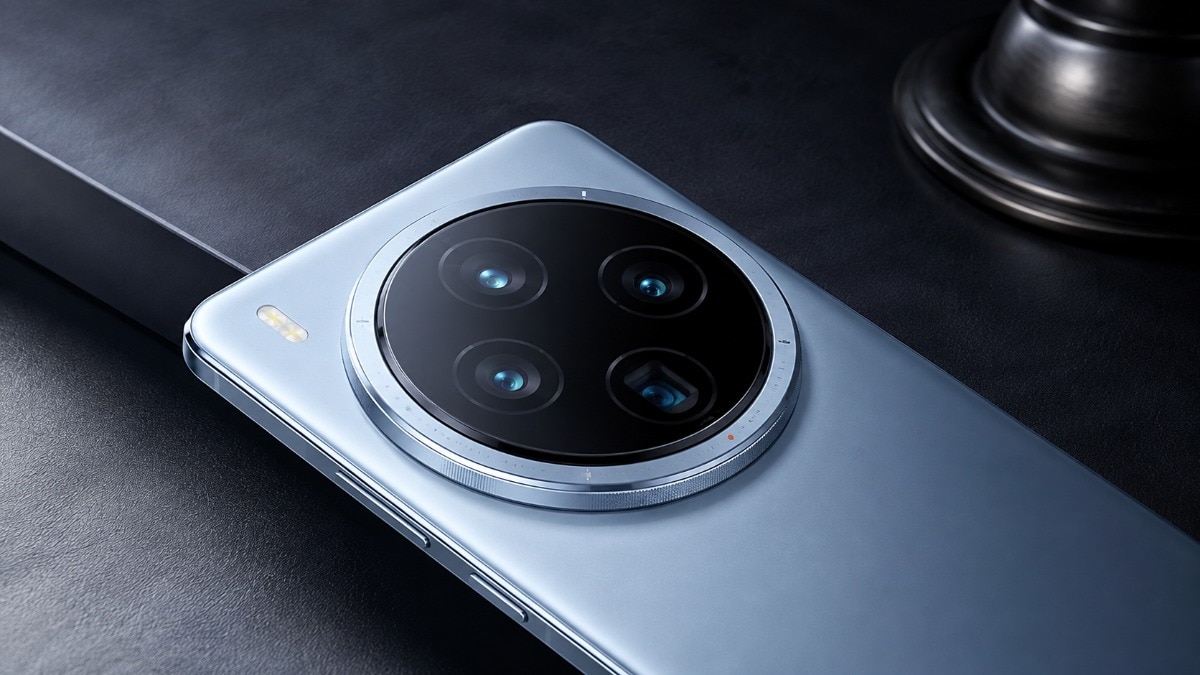
Vivo X500 Pro Max Reveals Massive Camera Island Design

Samsung Galaxy S26 FE Launches Globally With 120Hz Display

Samsung Announces Galaxy S26 FE With One UI 9

Sundar Pichai Shares Pixel 11 Photos for World Photography Day
India's New Smartphone Scheme Faces Consumer Product Test
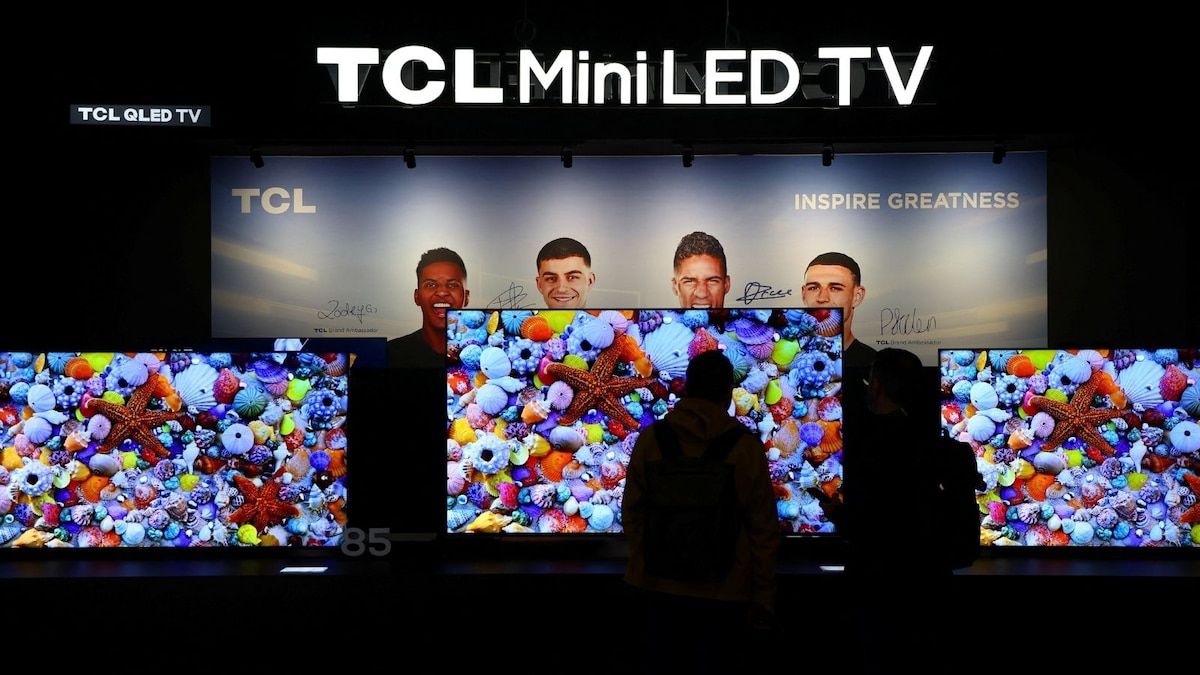
TCL sues Samsung over alleged false Mini LED advertising
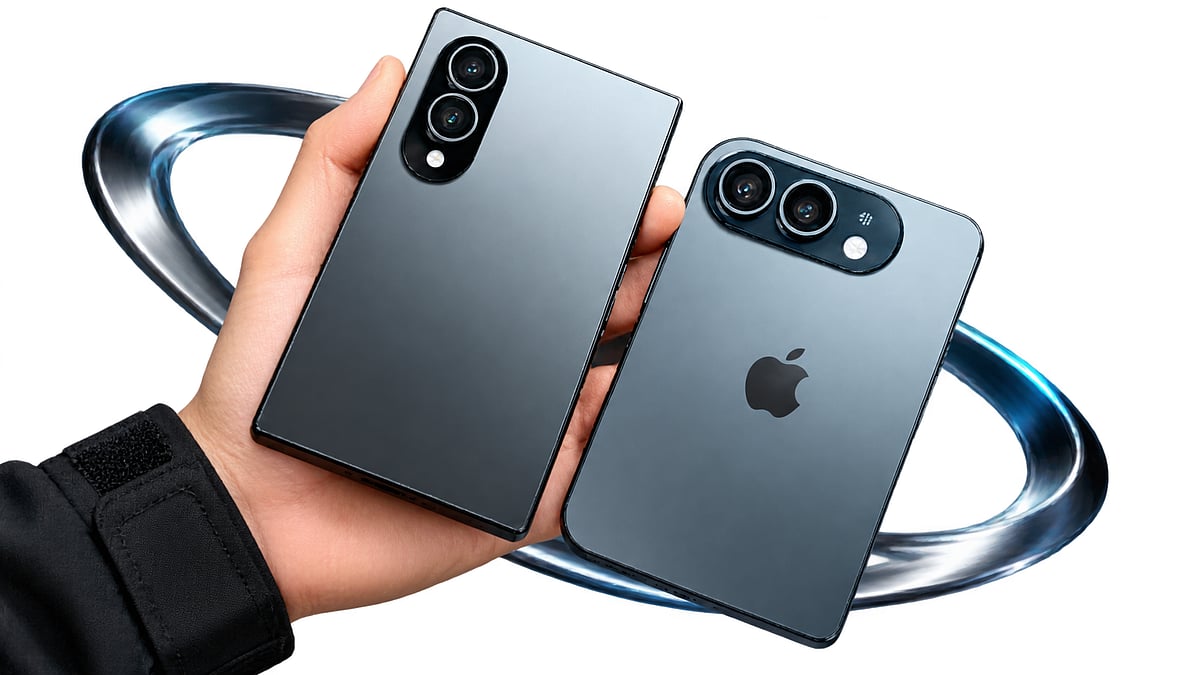
Apple's First Foldable iPhone Ultra May Challenge Samsung

Apple iPhone Ultra Rumors Point Toward First Foldable