

2 hrs ago
ChatGPT 80s Photo Trend Sparks Privacy and Energy Questions

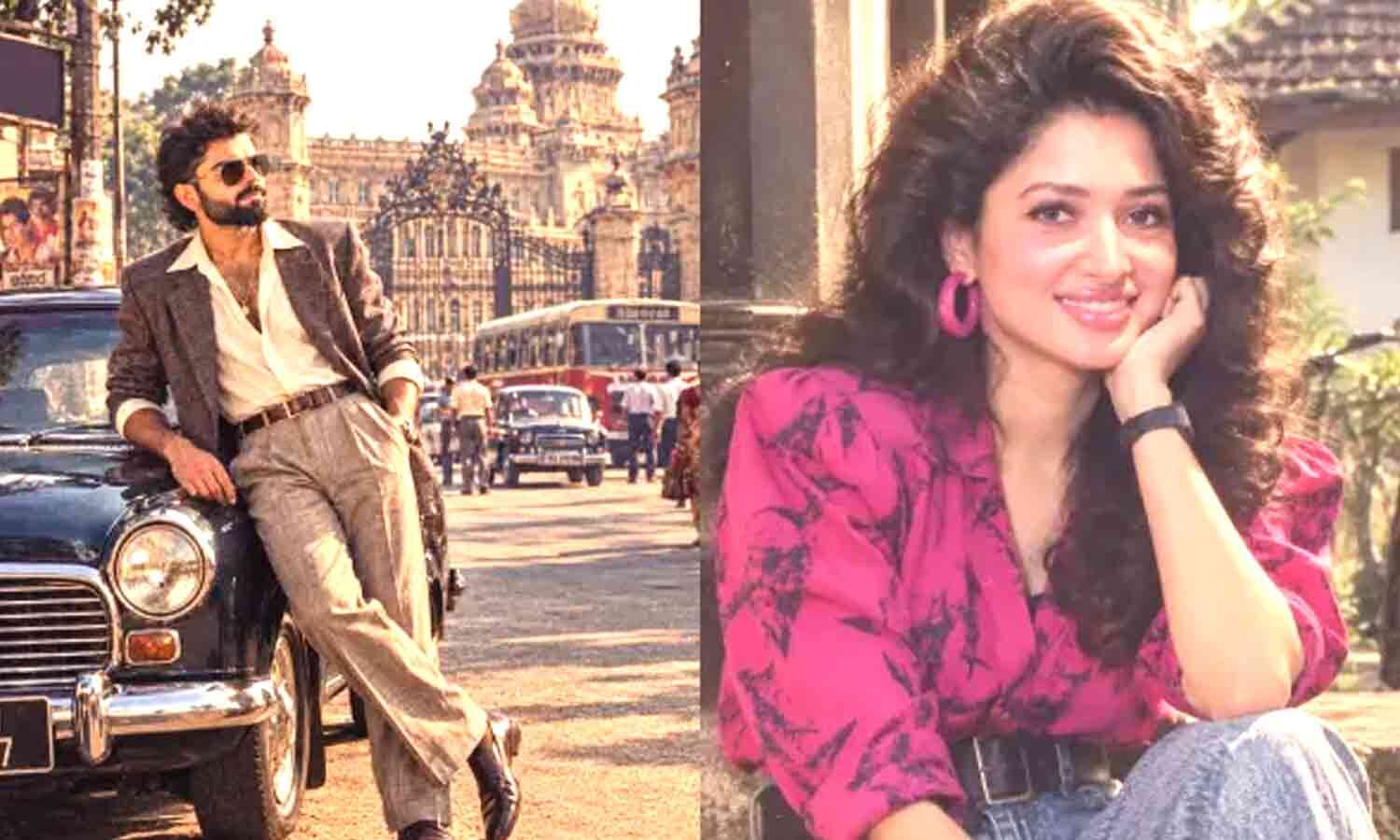
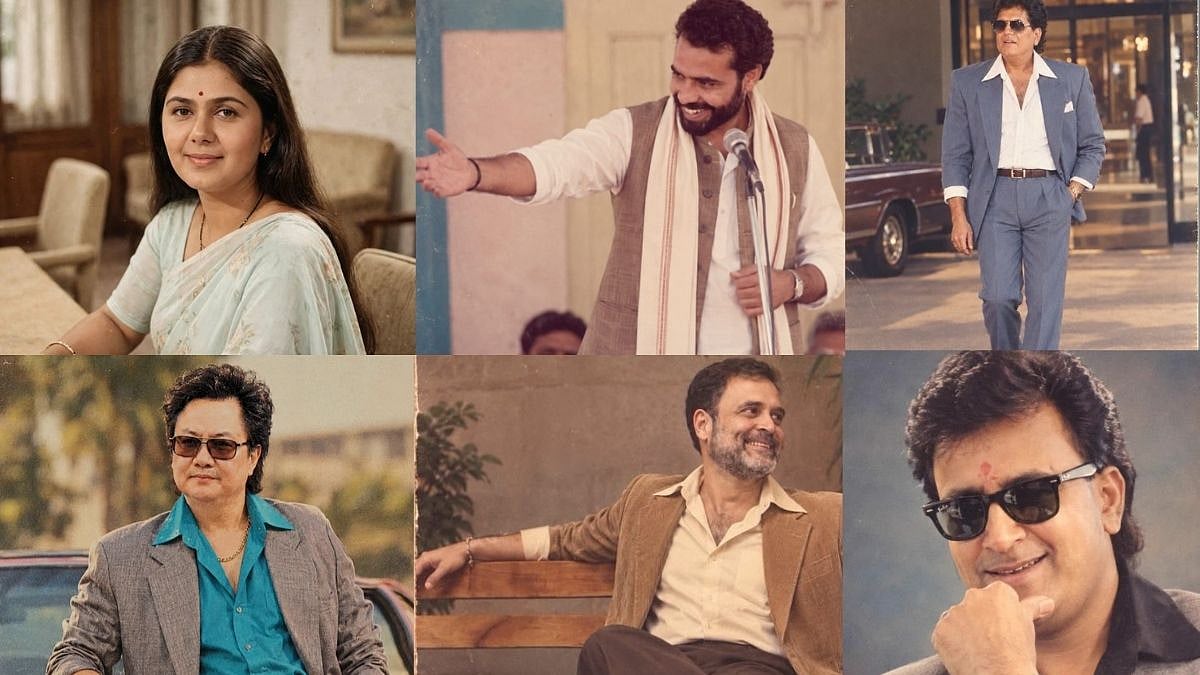
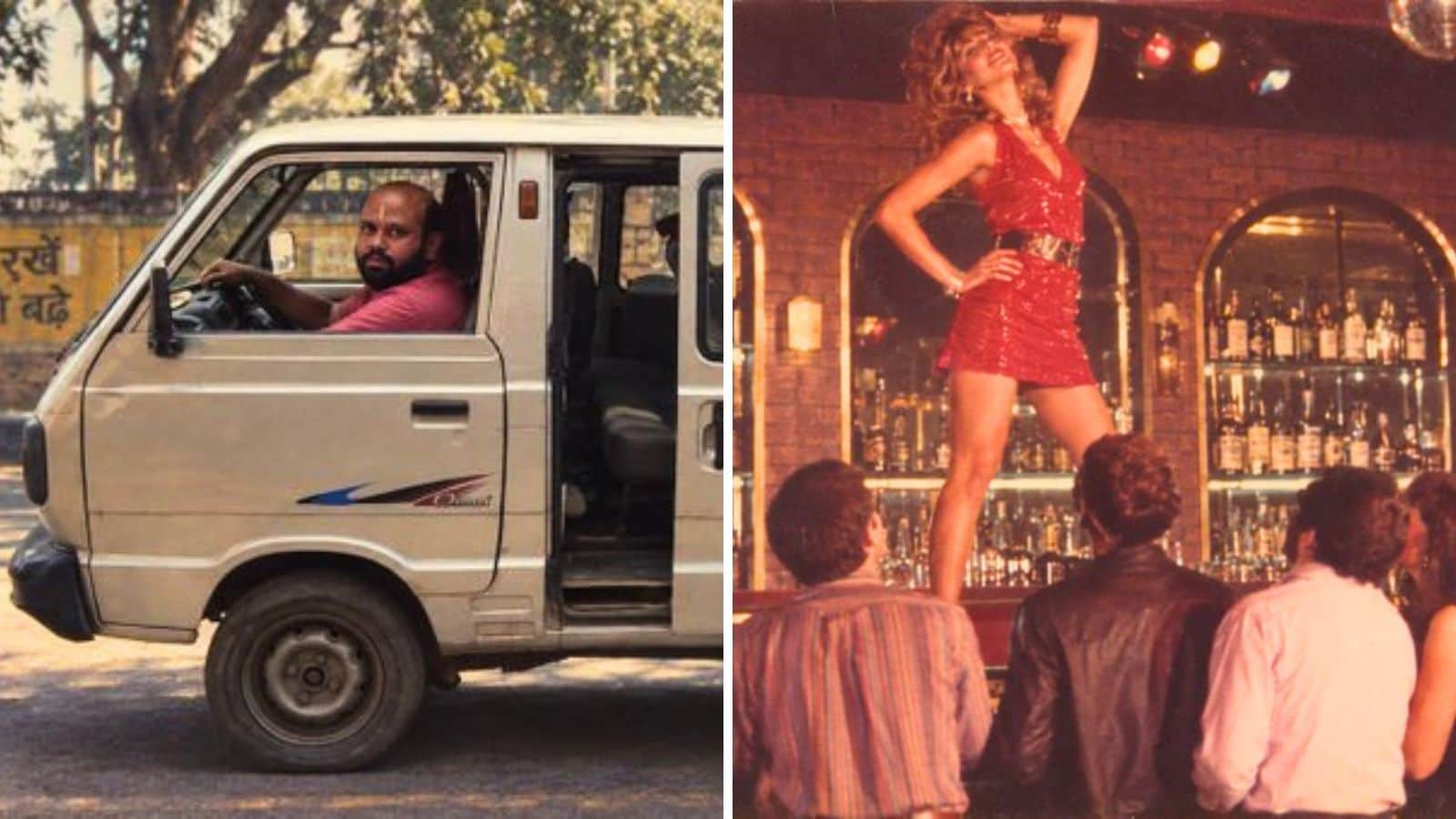
People are using ChatGPT to make their pictures look like colorful photos from the 1980s.
The pictures can look very realistic, which is why the trend became popular.
But uploading a photo gives the service a copy of the image.
A photo can show a face, location details, house numbers or other people.
Consumer images may be used to improve models unless users change their settings.
Temporary Chat is an option that is not used for training and is deleted within 30 days, with some exceptions.
People should avoid uploading identity documents, private records or intimate pictures.
They should also be careful when sharing photos of children or other people.
Making many AI images also uses electricity, so generating only the pictures they want can reduce waste.

Users are asking ChatGPT to turn their photos into glamorous, nostalgic 1980s portraits.
Uploaded images may contain faces, metadata, house numbers, license plates, locations and other personal details.
OpenAI says consumer content, including images, may be used to improve models unless users opt out in settings.
Temporary Chats are not used for training, do not appear in chat history and are deleted within 30 days, subject to exceptions.
Research estimates AI image generation uses about 0.01 to 0.29 kilowatt-hours of electricity per image.
- Who
- ChatGPT users, OpenAI and researchers from Carnegie Mellon University and Hugging Face are involved in the story.
- What
- A viral trend is prompting users to upload photos to ChatGPT for transformation into 1980s-style portraits, raising privacy and energy-use concerns.
- Where
- The trend has spread across Instagram and other social media platforms.
- When
- The trend spread rapidly over the two days described in the article.
- Why
- Users are attracted to realistic vintage portraits, while the trend has prompted questions about photo data handling, personal privacy and electricity consumption.
Creative Convenience
Privacy and Sustainability Concerns
Uploading ordinary selfies
Creative Convenience
For most people, uploading an ordinary selfie to an established AI service is not necessarily dangerous and enables creative image-making.
Privacy and Sustainability Concerns
Uploading a photo gives the platform a copy and may expose facial data, metadata, background details or other people shown in the image.
Model improvement
Creative Convenience
Users can participate in the service while choosing settings that control whether new conversations are used for model improvement.
Privacy and Sustainability Concerns
Consumer content, including images, may be used to improve models unless users opt out, so users should review their settings before uploading.
AI image generation
Creative Convenience
A single generated image uses a relatively small amount of electricity, and people do not need to avoid every AI-generated image.
Privacy and Sustainability Concerns
Repeatedly generating many versions can increase the overall environmental impact, particularly when millions of users participate in a trend.
Key facts
- Trend
- Users are creating glamorous 1980s-style portraits with ChatGPT.
- Consumer data use
- OpenAI says consumer content, including images, may be used to improve models unless users opt out.
- Opt-out setting
- Users can disable “Improve the model for everyone” under Settings > Data Controls.
- Temporary Chat
- Temporary Chats are not used to train models, do not appear in chat history and are automatically deleted within 30 days, subject to exceptions.
- Sensitive content
- Users are advised not to upload identity documents, private records or intimate images.
- Estimated energy use
- Research estimated that generating an AI image consumes roughly 0.01 to 0.29 kilowatt-hours, depending on the system and process.
Sources
Related news

ChatGPT 80s Photo Trend Raises Privacy and Environmental Costs
How ChatGPT Creates Viral 1980s-Style Photo Portraits
Indian Politicians Embrace Viral ChatGPT 1980s Photo Trend

Shashi Tharoor Joins ChatGPT 1980s Trend With Real Photos

Seven Things Never to Put Into an AI Chatbot
India's BJP and Congress Weaponise ChatGPT's Nostalgic AI Trend

India Debates Whether IIT Madras Should Build a Medical School
Vivek Raghavan Named Among TIME’s 100 AI Leaders

Teen Hackathon Winner Builds Bengaluru Startup With Nearly $50 Million Funding
