

1 hr ago
ChatGPT 80s Photo Trend Raises Privacy and Environmental Costs

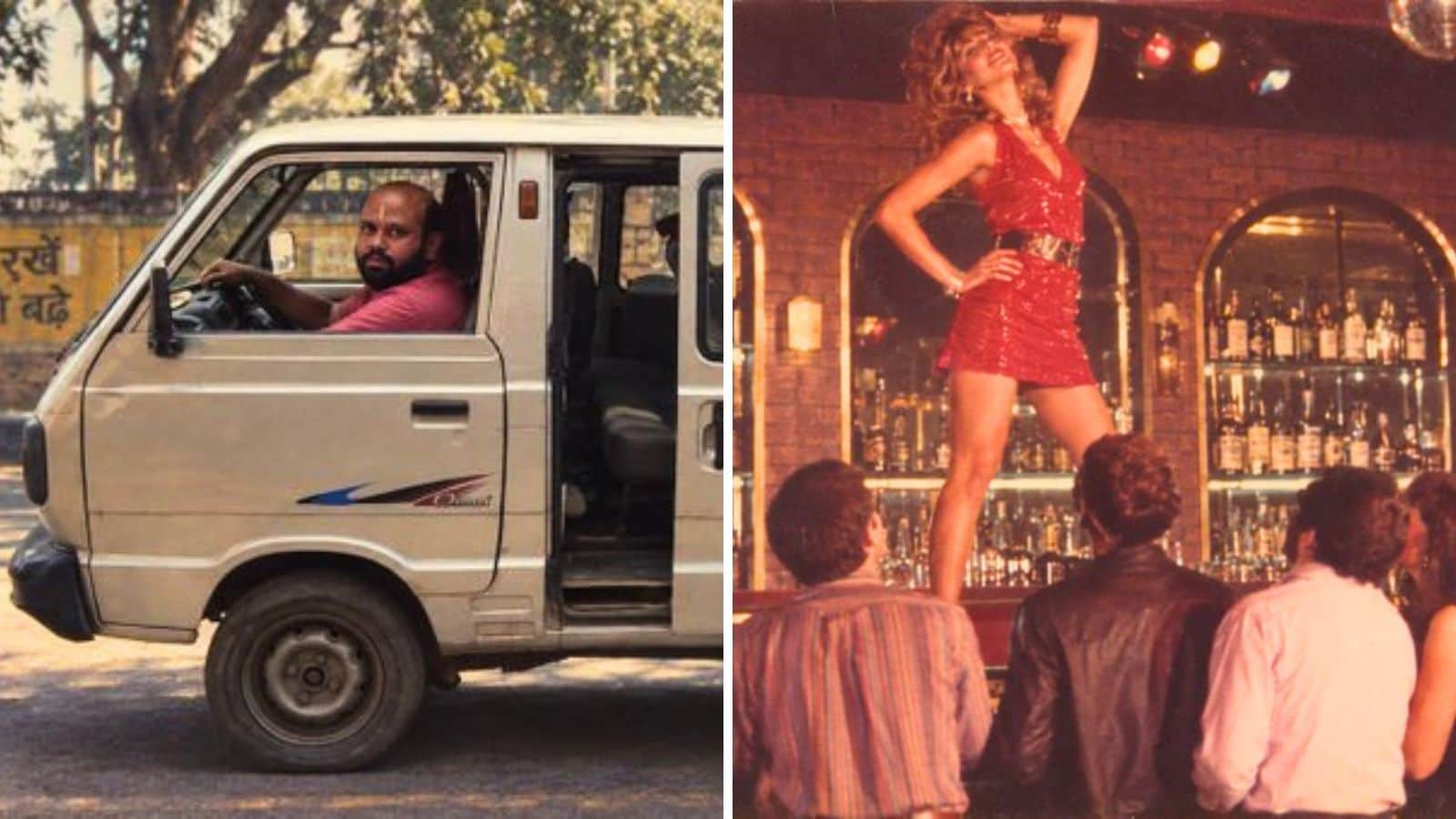
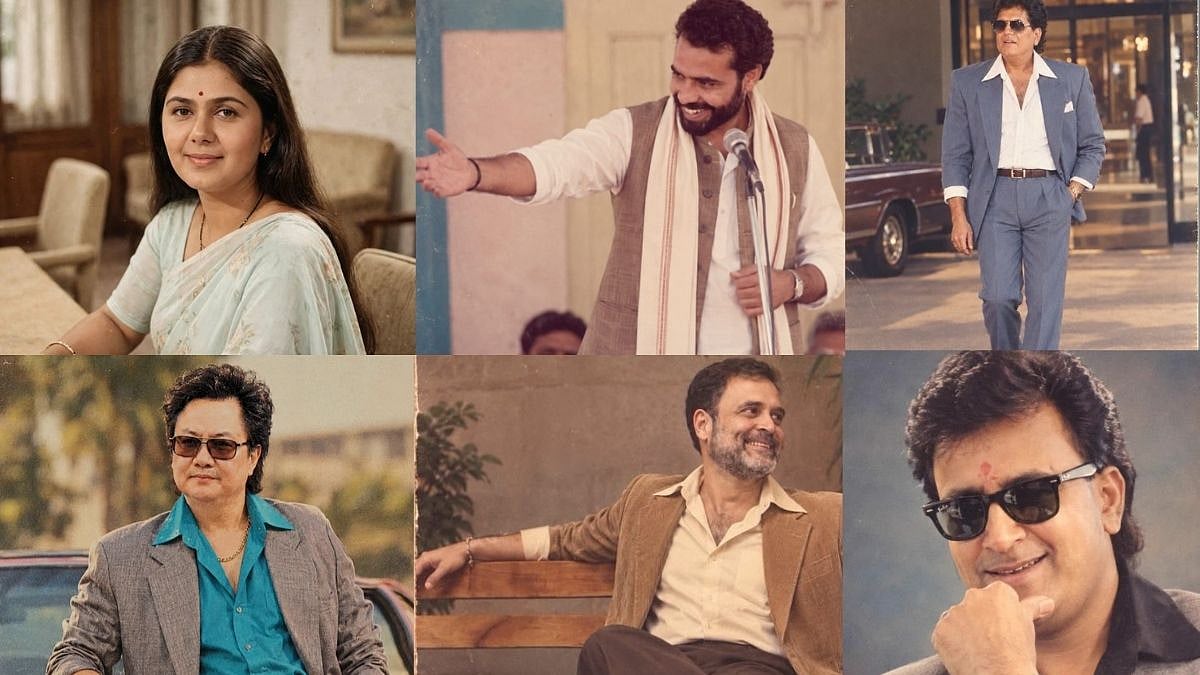
People are using ChatGPT to make their selfies look like pictures from the 1980s.
The pictures can show big hair, bright lights, and old-fashioned studio backgrounds.
To make them, users send a clear photo of their face to a company’s computers.
That photo may contain more information than people realize, including details about their face, location, or other people nearby.
Experts worry that stolen or misused images could help with scams, impersonation, or deepfakes.
Users may be able to reduce some risks by changing privacy settings and removing extra information from photos.
Making each picture also uses electricity and water in data centers.
One picture has a small environmental cost, but millions of pictures and repeated attempts can add up.
The trend may disappear quickly, while the data and resources used to create the images may have longer-lasting effects.

The viral trend uses ChatGPT to transform selfies into recognizable 1980s-style portraits.
Uploaded images may contain facial geometry, biometric details, location clues, documents, or other people.
Experts warn that mishandled facial images could enable fraud, blackmail, impersonation, or deepfakes.
Image generation consumes electricity and water, with estimates varying by model, resolution, and processing steps.
Users can reduce exposure by disabling model training, removing metadata, and avoiding sensitive images.
- Who
- People using ChatGPT, along with cybersecurity and AI researchers who have raised privacy and environmental concerns.
- What
- A viral trend turns current selfies into convincing 1980s-style portraits, while raising questions about biometric data use and data-center resource consumption.
- Where
- It spread across South Asia, the United States, and the Middle East, while the images are processed in data centers.
- When
- The trend was spreading during the week described in the article; the article says it could fade from feeds within weeks.
- Why
- Users are participating for quick, nostalgic entertainment, but the process requires uploading facial images and using electricity and water for image generation.
Key facts
- Popular styles
- 1980s yearbook portraits and neon synthwave portraits
- Potential data exposure
- Facial geometry, eye and hair color, skin tone, background details, location clues, documents, and other people in the image
- Privacy concern
- Depending on account settings, uploaded images may help train future model versions
- Suggested precautions
- Turn off model-training permissions, avoid sensitive images, and remove location metadata
- Estimated energy use
- One study cited around 0.01 kilowatt-hours per generated image, while other estimates vary widely
- Water use
- A single 100-megawatt United States data center can use around 2 million liters of water per day
- Large-scale example
- Stability AI reported more than 12.7 billion images generated on its models in one year
Sources
Related news

How ChatGPT Creates Viral 1980s-Style Photo Portraits
India's BJP and Congress Weaponise ChatGPT's Nostalgic AI Trend

Shashi Tharoor Joins ChatGPT 1980s Trend With Real Photos
Indian Politicians Embrace Viral ChatGPT 1980s Photo Trend

ChatGPT Adds AI Sticker Packs for Mobile Users Worldwide

OpenAI Adds Custom Sticker Creation to ChatGPT Mobile App

Andy Kennedy Named Interim AD as UAB Parts With Ingram

Scientists explore ‘third state’ of life with xenobots
