

2 hrs ago
Can IMEC Become Reality Amid Regional Conflict and Delays?
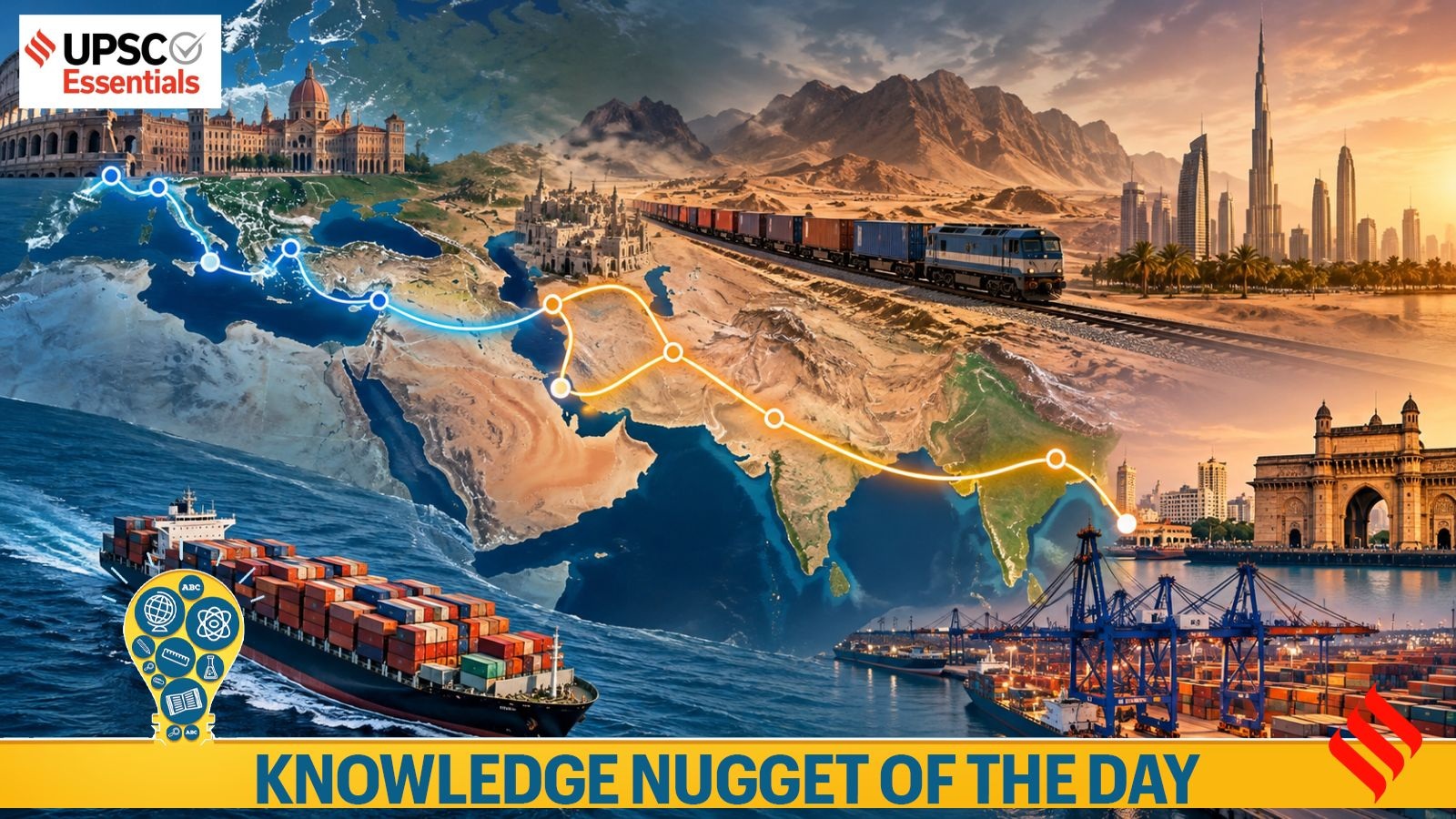
IMEC is a plan to move goods between India, the Middle East and Europe using ships, trains, roads and pipelines.
It was announced at a G20 event in 2023.
One part would connect India to Gulf countries, and another would connect the Gulf to Europe.
The plan includes trains crossing Saudi Arabia, Jordan and Israel, with goods then shipped onward from Haifa.
Supporters say this route could make deliveries faster and strengthen trade links.
The article estimates it could cut shipping time from India to Europe by about 40%.
But wars and political tensions could make parts of the route difficult to use.
The project also needs funding, and critics question whether its costs and potential trade justify building it.

Announced at the 2023 G20 Leaders’ event in New Delhi, IMEC aims to connect India, the Middle East and Europe through rail, sea, road and pipeline infrastructure.
Its eastern corridor would link India with the Arabian Gulf, while its northern corridor would connect the Gulf with Europe.
The proposed route includes rail transport through Saudi Arabia, Jordan and Israel, with Haifa serving as a Mediterranean port for onward shipping.
The article says the corridor could reduce India-Europe shipping time by about 40%, but progress has been limited since its announcement.
Regional conflict, strained relations, funding and supply-chain concerns, and doubts about costs and demand are among the obstacles to implementation.
- Who
- India, Saudi Arabia, the United Arab Emirates, France, Germany, Italy, the European Union and the United States signed an MoU for IMEC’s development.
- What
- A proposed multimodal trade corridor linking India, the Middle East and Europe.
- Where
- The proposed route connects India through the Arabian Gulf and the Mediterranean region to Europe, including a land route through Jordan and Israel.
- When
- Announced in 2023; renewed attention is described in the article on October 6 and 7, 2026.
- Why
- To enhance connectivity, trade and economic integration, and provide an alternative network of trade routes.
Supporters
Critics and concerns
Trade and connectivity
Supporters
Supporters see IMEC as a way to improve regional integration and create a reliable, multimodal route that could speed up trade.
Critics and concerns
Critics question whether the route offers enough benefit over existing Red Sea and Suez Canal routes to justify a costly infrastructure project.
Geopolitical significance
Supporters
The corridor is presented as a way to build economic ties and shared interests across Asia, the Gulf and Europe.
Critics and concerns
The route’s reliance on passage through Jordan and Israel makes its prospects vulnerable to conflict and strained regional relations.
Economic viability
Supporters
The project is intended to connect existing trade routes and fill infrastructure gaps, with a stated aim of reducing transit time.
Critics and concerns
Concerns include funding and supply-chain maintenance, as well as whether parts of the Arabian Peninsula can support the project’s economic needs.
Key facts
- Announcement
- G20 Leaders’ event in New Delhi, 2023
- Corridors
- An eastern corridor from India to the Arabian Gulf and a northern corridor from the Gulf to Europe
- Proposed transport
- Ports, railways, roads, sea routes and pipelines
- Land route described
- Saudi Arabia, Jordan and Israel, with Haifa as a port for onward shipping
- Estimated time reduction
- About 40% for shipping from India to Europe compared with the Red Sea route
- Signatories to development MoU
- India, Saudi Arabia, the UAE, France, Germany, Italy, the European Union and the United States
- Challenges cited
- Regional hostilities, strained relations, funding, supply-chain issues, and concerns about cost and economic viability
Sources
Related news

France Says Middle East Crises Strengthen Case for IMEC
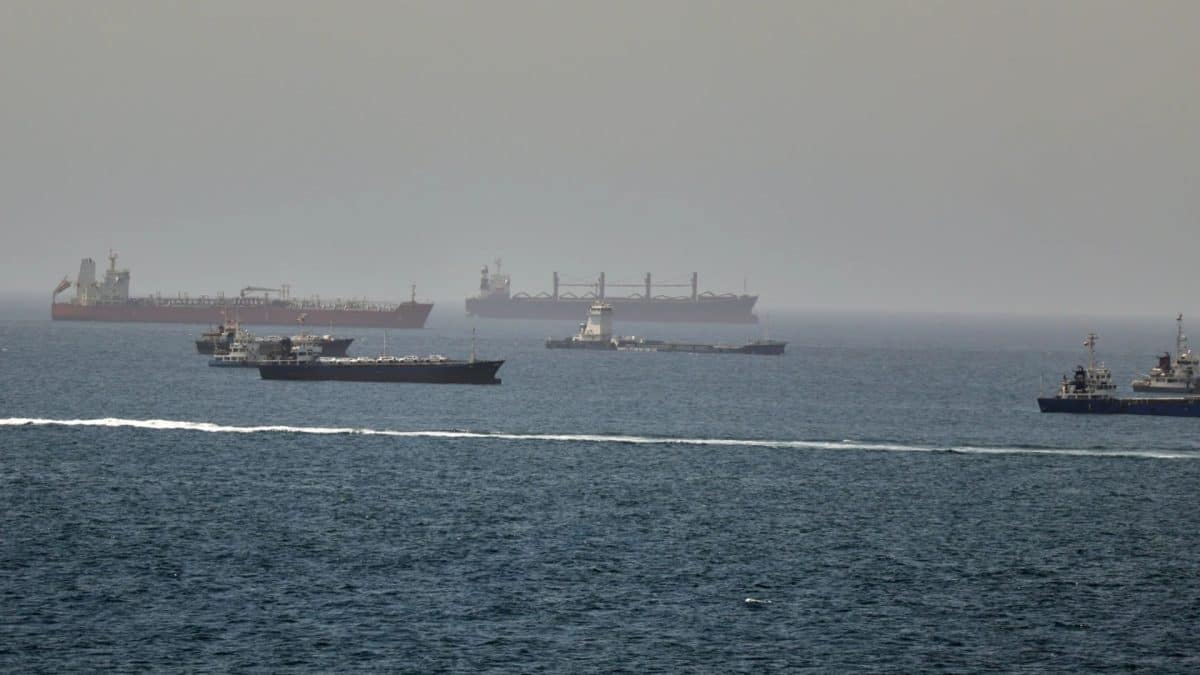
West Asia Turmoil Pushes IMEC Toward Flexible Network of Routes

French Envoy Says Multiple Routes Key to IMEC Amid Hormuz Crisis
Trump Backs IMEC Amid Iran War and Regional Tensions

EU Backs IMEC to Diversify India-Europe Trade Routes

More Nations Seek to Join India-Middle East-Europe Corridor
Gaza Truce Stalls as Disarmament Dispute Blocks Progress
Study Says Hamas Deceived Israel Before October 7 Attack

Green Party’s Anti-Zionism Motion Sparks Internal and Public Dispute

Navi Pillay’s Journey From Apartheid Courts to International Justice
