

1 hr ago
Navi Pillay’s Journey From Apartheid Courts to International Justice
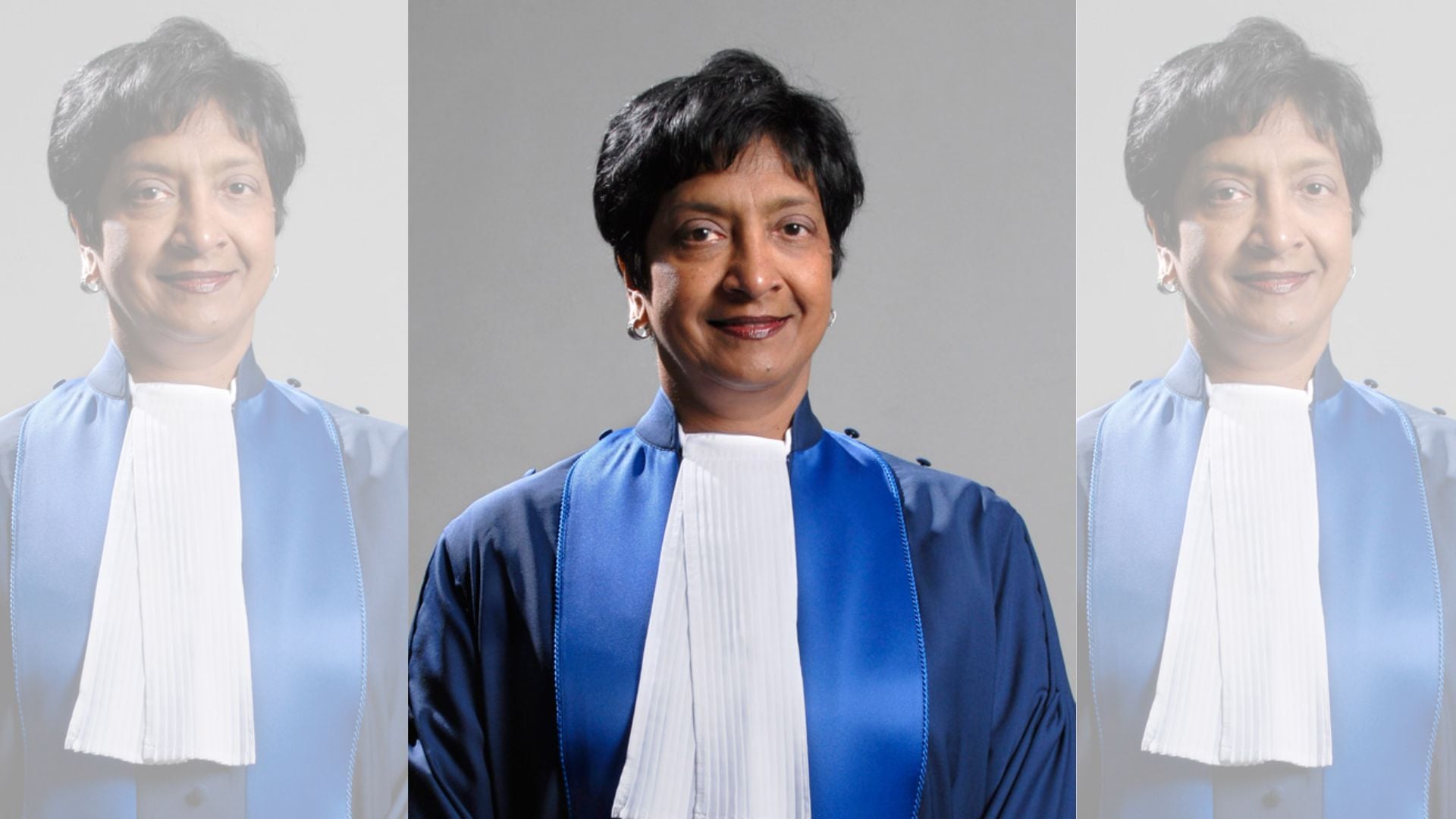
Navi Pillay grew up in South Africa during apartheid, when unfair rules limited opportunities for people who were not white.
She became a lawyer and helped people who were punished for opposing apartheid.
Later, she served as a judge in South Africa and at international courts.
At a tribunal for crimes committed during the genocide in Rwanda, she helped decide a case that recognized sexual violence could be part of genocide.
Pillay also led the United Nations human rights office from 2008 to 2014.
In 2025, a UN commission she chaired said Israel had committed genocide in Gaza, but Israel rejected that conclusion.
The article says the commission’s conclusion was not a final ruling by an international court.
Pillay was awarded the 2026 Nobel Peace Prize.

Navi Pillay began practicing law in South Africa in 1967, taking cases involving anti-apartheid activists and political detainees.
She became the first non-white woman appointed to South Africa’s High Court in 1995.
As a judge at the Rwanda tribunal, Pillay served on the chamber that found Jean-Paul Akayesu guilty of genocide and crimes against humanity in 1998.
Pillay later served as a judge at the International Criminal Court and as UN High Commissioner for Human Rights from 2008 to 2014.
A UN commission she chaired concluded in September 2025 that Israel had committed genocide in Gaza; Israel rejected the findings, which were not a final international court judgment.
- Who
- Navanethem “Navi” Pillay, a South African lawyer and judge.
- What
- Pillay was awarded the 2026 Nobel Peace Prize, recognizing a career spanning anti-apartheid legal work, international justice and human rights.
- Where
- Her career included South Africa, the Rwanda tribunal, the International Criminal Court in The Hague, and United Nations human rights work.
- When
- The article reports the prize in 2026 and describes milestones from 1967 through September 2025.
- Why
- The article links the award to her work on international law, investigating genocide and other crimes, and protecting human rights.
UN Commission’s Finding
Israel’s Response
Commission conclusion on Gaza
UN Commission’s Finding
The UN commission chaired by Pillay concluded in September 2025 that Israel had committed genocide against Palestinians in Gaza and that senior Israeli officials had incited genocide.
Israel’s Response
Israel rejected the commission’s findings. The article notes that these were findings by a UN commission of inquiry, not a final judgment by an international court.
Key facts
- Born
- 23 September 1941, Durban, South Africa
- Legal practice
- Established her own law practice in Natal in 1967
- South African High Court
- Appointed in 1995; the first non-white woman to serve on the court
- Rwanda tribunal
- Became a judge in 1995 and tribunal president in 1999
- International Criminal Court
- Served as a judge from 2003 to 2008
- UN High Commissioner for Human Rights
- Served from 2008 to 2014
- Gaza commission
- In September 2025, the commission she chaired concluded Israel had committed genocide; Israel rejected the findings
- Award
- 2026 Nobel Peace Prize
Sources
Related news
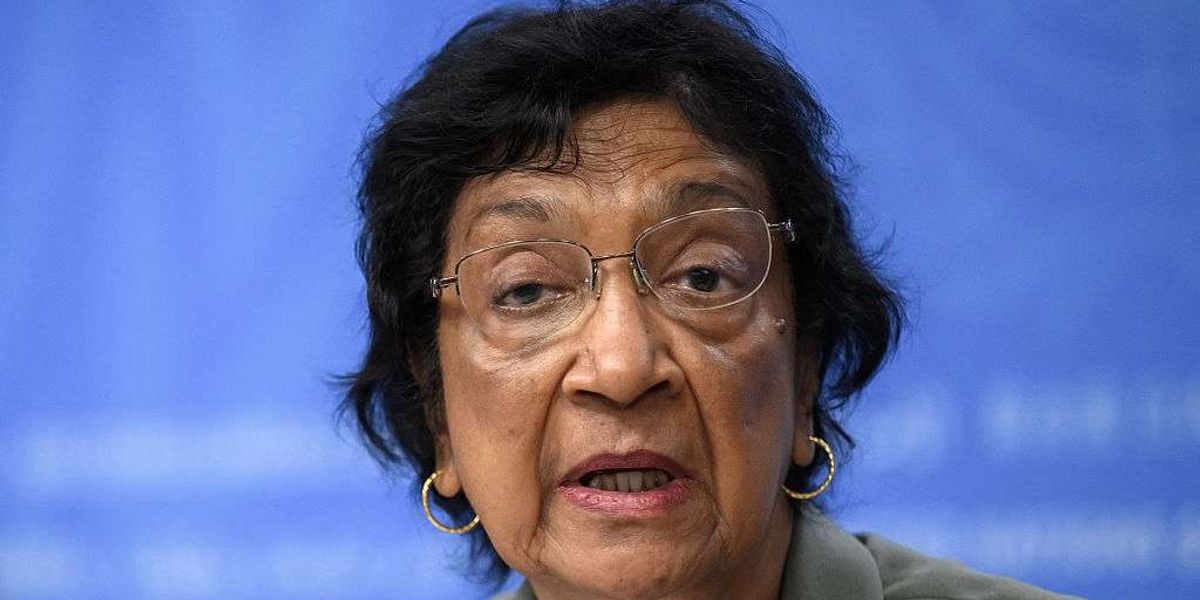
Navi Pillay Wins 2026 Nobel Peace Prize for Justice Work
Navi Pillay Wins Nobel Peace Prize for Pursuing International Justice
Navi Pillay Named 2026 Nobel Peace Prize Laureate
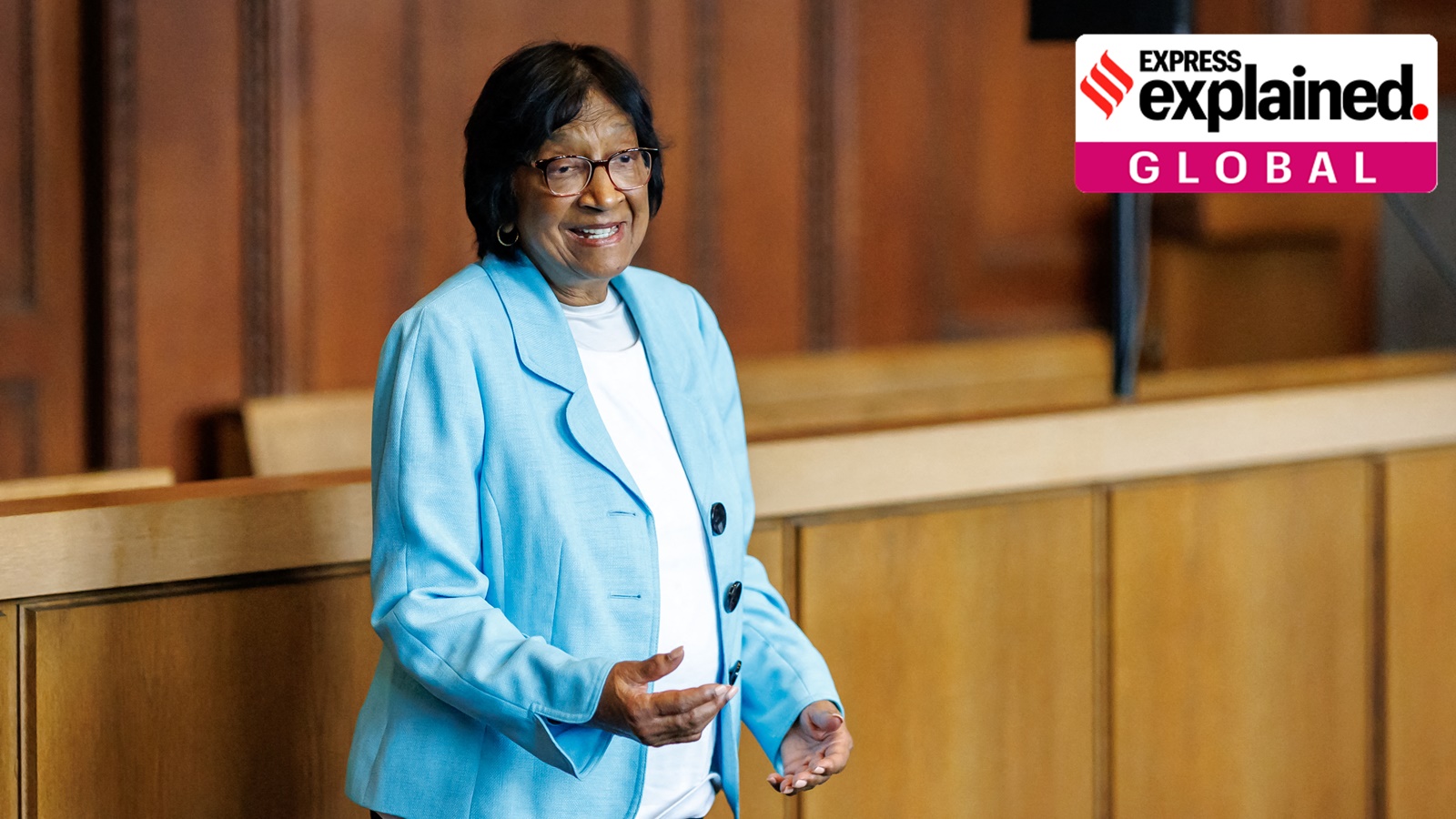
Nobel Peace Prize Honors Jurist Navanethem Pillay’s Legal Work
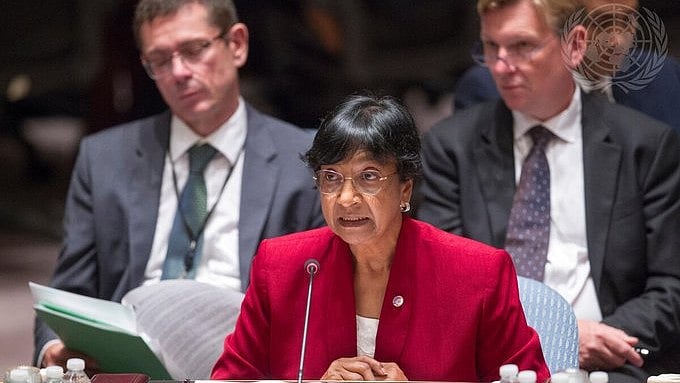
Former ICC Judge Navi Pillay Wins 2026 Nobel Peace Prize

Navi Pillay Wins Nobel Peace Prize for Human Rights Work

ICC Condemns US Sanctions and Urges Members to Protect Operations
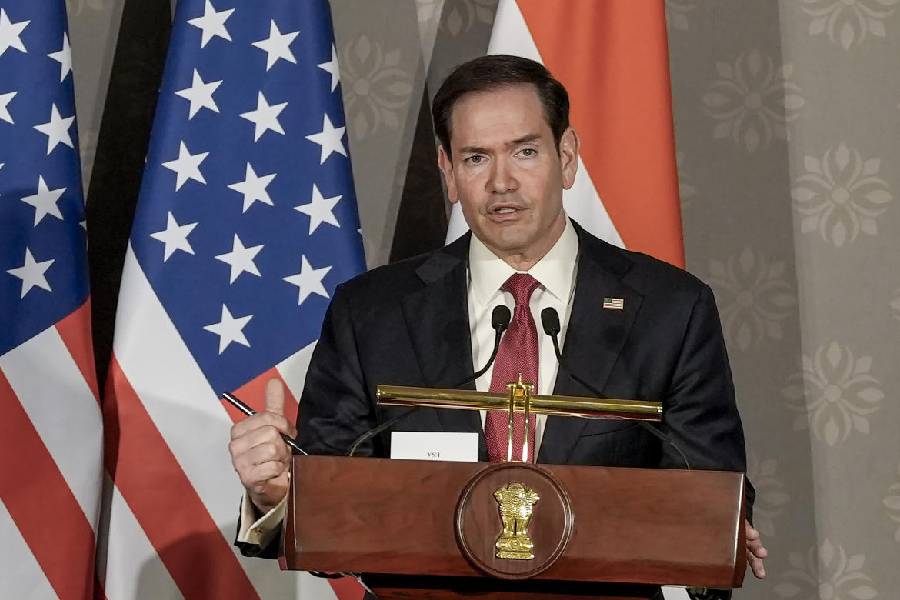
US Sanctions ICC as Navi Pillay Wins Nobel Peace Prize
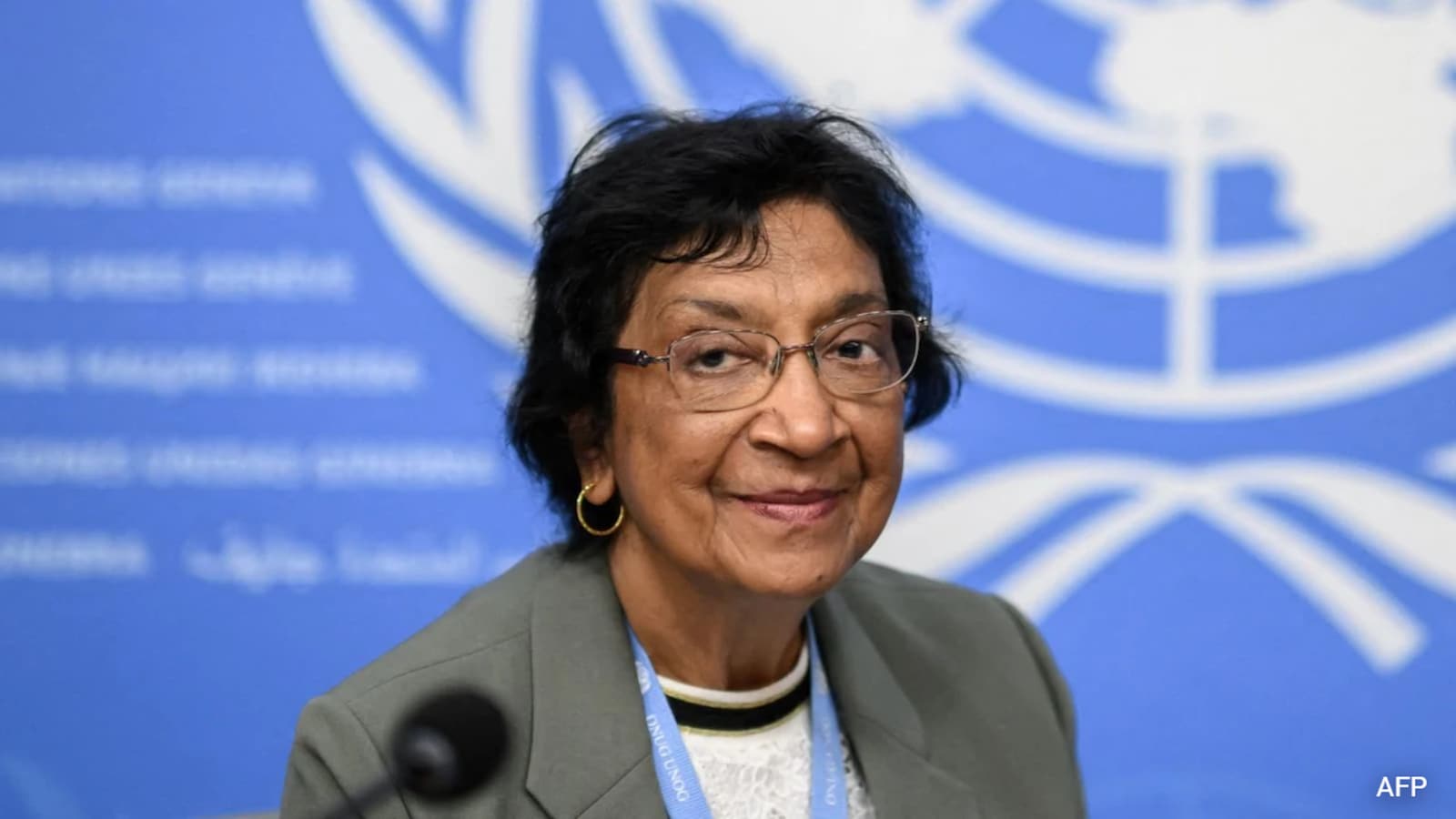
Navi Pillay’s Nobel Win Echoes Her Family’s Plantation History
