15 hrs ago
Teenager with Hearing Loss Enters Medical College Using Wireless Stethoscope
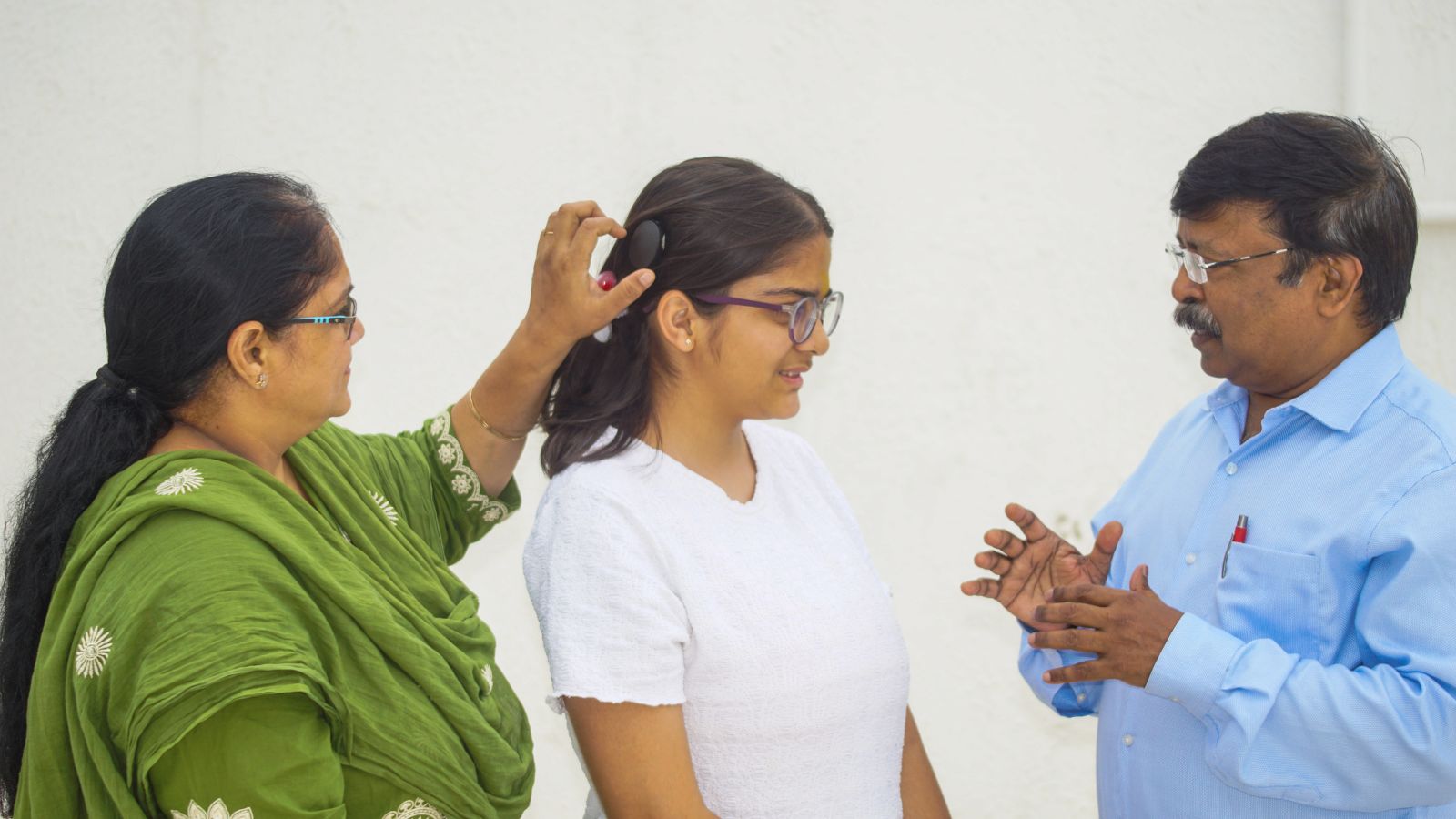
Vidhita Gupta is 17 years old and wants to become a doctor.
She was born with hearing loss and received a cochlear implant when she was four.
She passed an important medical entrance exam called NEET.
She will study at a medical college in Jamnagar, Gujarat.
Doctors usually use stethoscopes to hear the heart and lungs.
A wireless electronic stethoscope can send these sounds to her cochlear implant.
The device can make sounds louder and reduce some background noise.
Vidhita will still need practice and a backup plan if the technology stops working.

Seventeen-year-old Vidhita Gupta, who has congenital hearing loss, cleared the National Eligibility cum Entrance Test.
She secured admission to MP Shah Government Medical College in Jamnagar, Gujarat.
Vidhita received a cochlear implant at age four and faced challenges using a conventional stethoscope.
A wireless electronic stethoscope can capture, process and transmit body sounds to a compatible cochlear-implant system.
Doctors say long-term use depends on device compatibility, reliable connectivity, training and backup methods.
- Who
- Seventeen-year-old Vidhita Gupta, who has congenital hearing loss, cleared NEET and entered medical college.
- What
- She secured admission to MP Shah Government Medical College and plans to use a wireless electronic stethoscope with her cochlear implant.
- Where
- MP Shah Government Medical College in Jamnagar, Gujarat.
- When
- After clearing NEET; the articles do not specify a date.
- Why
- The wireless stethoscope is intended to help her hear heart, lung and other internal body sounds during medical training.
Key facts
- Student
- Vidhita Gupta
- Age
- 17
- Condition
- Congenital hearing loss
- Medical device
- Cochlear implant received at age four
- Entrance examination
- National Eligibility cum Entrance Test (NEET)
- College
- MP Shah Government Medical College
- Location
- Jamnagar, Gujarat
- Key challenges
- Battery dependence, connectivity, latency, sound quality and the need for clinical training
Quotes
Dr Ravi Bhatia
Director of ENT and Cochlear Implant services at Sarvodaya Hospital, Faridabad
“Compatibility is important. The stethoscope and cochlear-implant processor should support the required wireless or streaming connection.”
 NDTV
NDTV
“For medical education, it is sensible to have an alternative method for auscultation if the wireless system fails.”
NDTV
Sources
Related news
Hearing-Impaired Student Overcomes Setbacks to Pursue Medical Dream

AIIMS Bhopal Performs Double Cochlear Implant Surgery on Infant
Kuwait Infant Hears After Bilateral Cochlear Implant Surgery

Kolkata Girl’s Ringing Ear Reveals Narrowed Brain Vein

FDA Authorizes Aletta, a Robot That Draws Blood

IIT Madras Plans Medical School Amid Regulatory Challenges
Bhopal, Indore Medical Colleges Lead Madhya Pradesh MRU Research
Rewa Hospital Patient Declared Dead Found Breathing Before Postmortem
Madhya Pradesh Removes Health Officials After Death Controversies