

3 weeks ago
FDA Authorizes Aletta, a Robot That Draws Blood

The FDA has approved a robot called Aletta to help draw blood from adults.
It is meant to be used in outpatient medical settings.
A trained phlebotomist must start each session and watch for problems.
The robot helps the patient place their arm correctly.
It uses light and ultrasound to find a vein and avoid arteries.
If it cannot find a safe vein, it will not try to draw blood.
The robot can prepare the skin, insert and remove the needle, fill tubes, and apply a bandage.
It stops if the patient moves too much or its sensors detect danger.
Tests found that it worked about as well as, or better than, trained human phlebotomists.

The U.S. Food and Drug Administration authorized Aletta, the first standalone robotic device designed to draw blood without operator intervention.
Aletta is approved for adults in outpatient settings under the supervision of a trained phlebotomist.
One phlebotomist can oversee up to three Aletta devices, potentially helping address a shortage of trained blood-draw workers.
The device uses near-infrared light and Doppler ultrasound to identify suitable veins and automatically performs the blood draw.
Clinical data showed success rates comparable to or better than trained phlebotomists, with uncommon and mild device-related adverse events.
- Who
- The U.S. Food and Drug Administration authorized Aletta, developed by Vitestro, for use by trained medical staff with phlebotomy supervision.
- What
- The FDA authorized a standalone robotic device that can autonomously perform blood draws from a patient’s arm.
- Where
- The device is authorized for use with adults in outpatient settings in the United States.
- When
- The authorization was published on August 24, 2026.
- Why
- The authorization may help address delays caused by a shortage of trained phlebotomists.
Key facts
- Device
- Aletta
- Developer
- Vitestro
- Regulator
- U.S. Food and Drug Administration
- Authorized patients
- Adults
- Approved setting
- Outpatient settings
- Supervision requirement
- A trained phlebotomist must oversee each session; one phlebotomist may supervise up to three devices.
- Safety findings
- Device-related adverse events were uncommon and mild.
Quotes
Michelle Tarver
Director of the FDA’s Center for Devices and Radiological Health
“Blood draws are one of the most commonly performed medical procedures in the United States, yet patients may face delays due to a growing shortage of trained phlebotomists.”
 thehindubusinessline.com
Sources
Related news

Maharashtra Orders Strict Compliance At Blood Centres After Inspections

Alexander Zverev Overcomes Diabetes Challenges To Claim US Open Glory
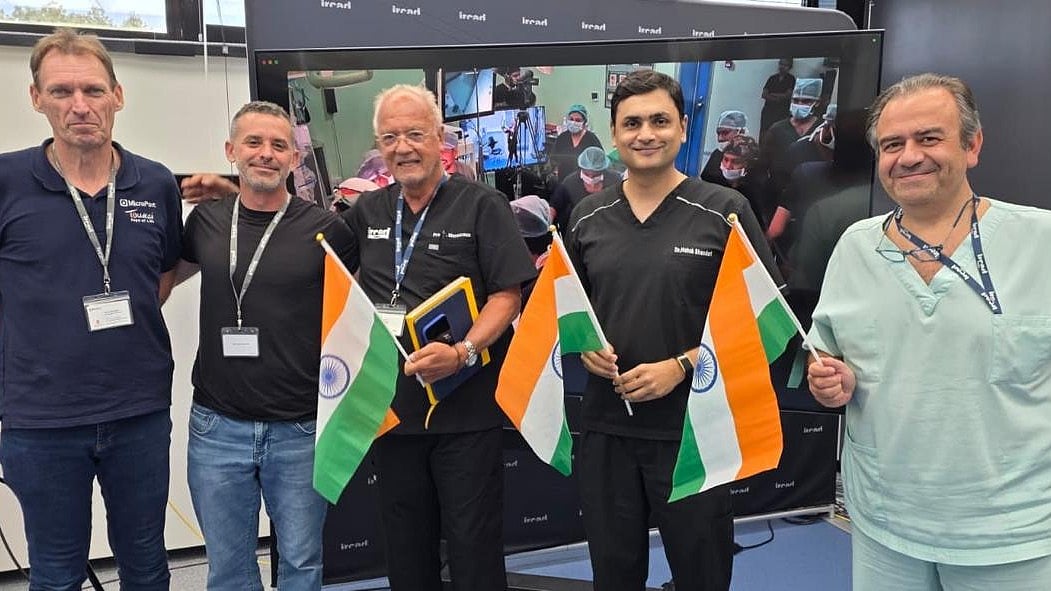
Indore Surgeon Performs 12 Remote Robotic Surgeries From France
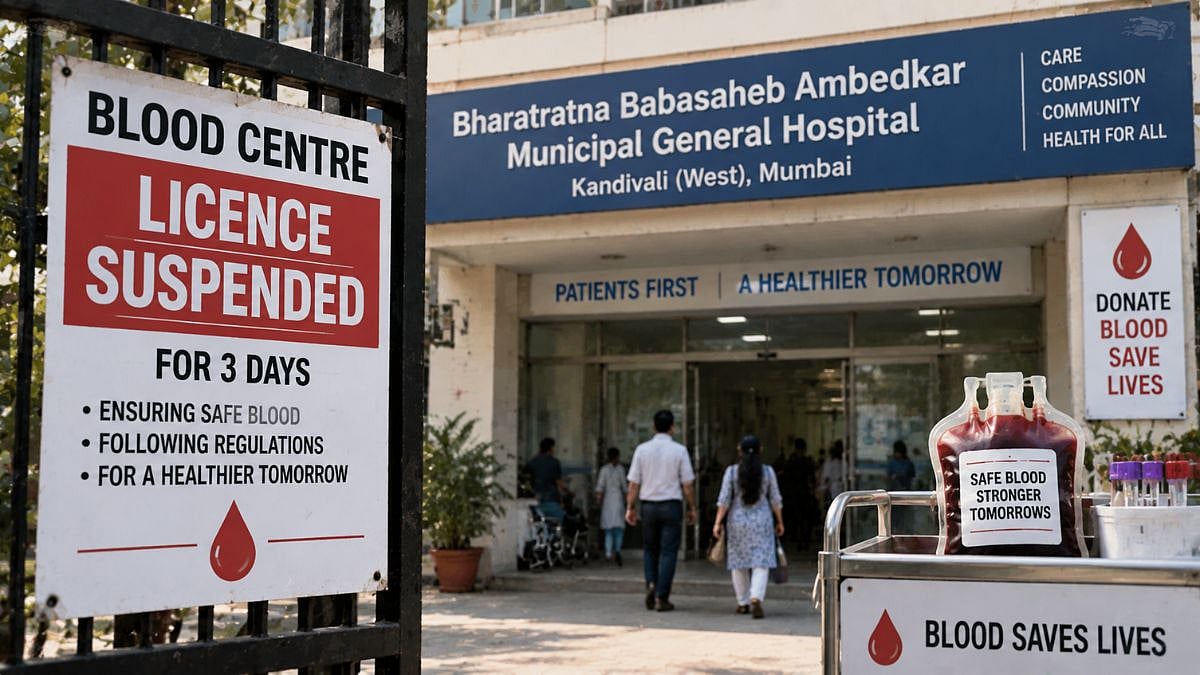
FDA Suspends Kandivali Hospital Blood Centre Licence Pending Appeal

West Bengal Blood Bank Faces Probe Over Alleged Malpractice
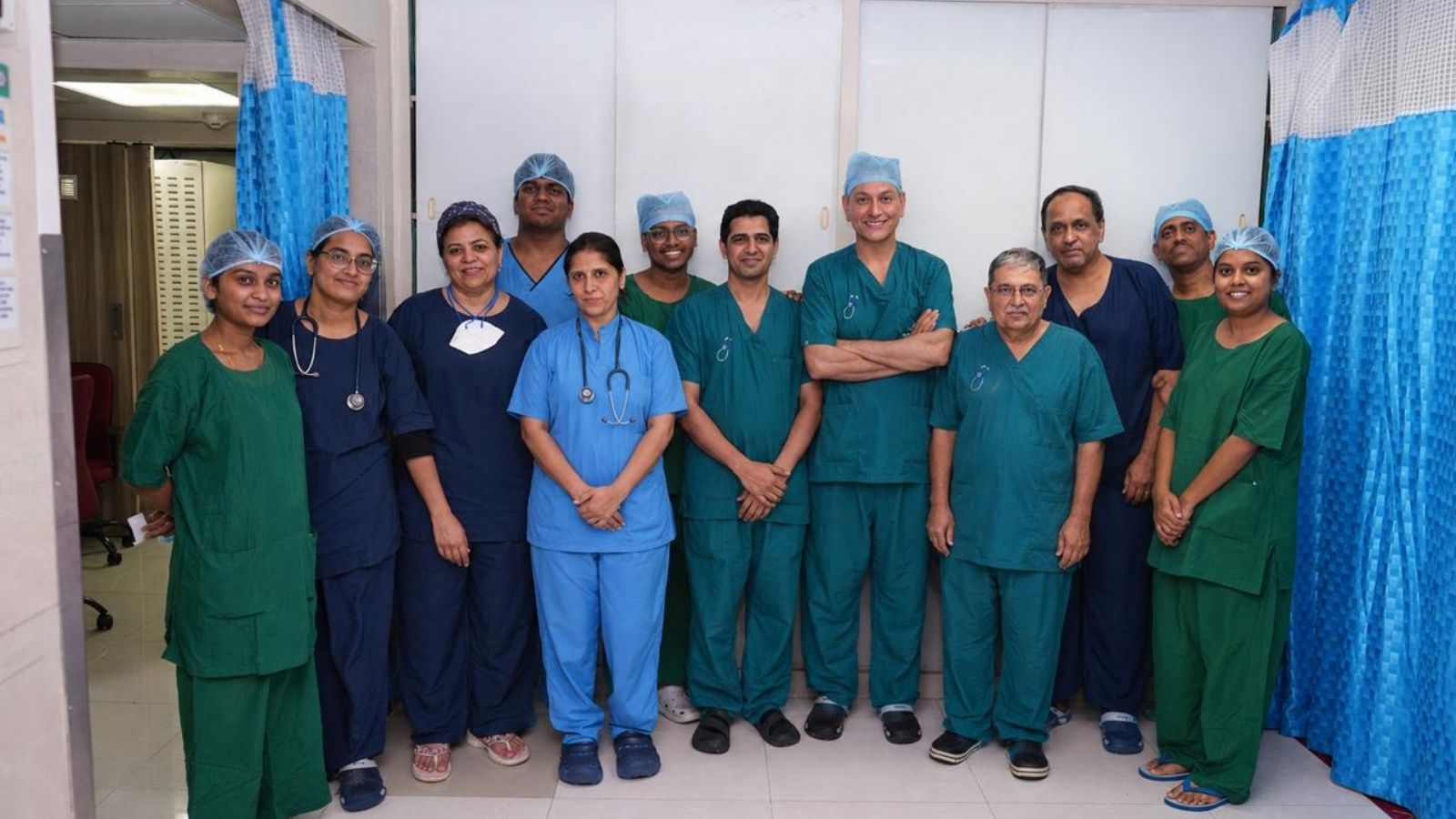
Rare combined heart procedure helps 77-year-old avoid blood thinners
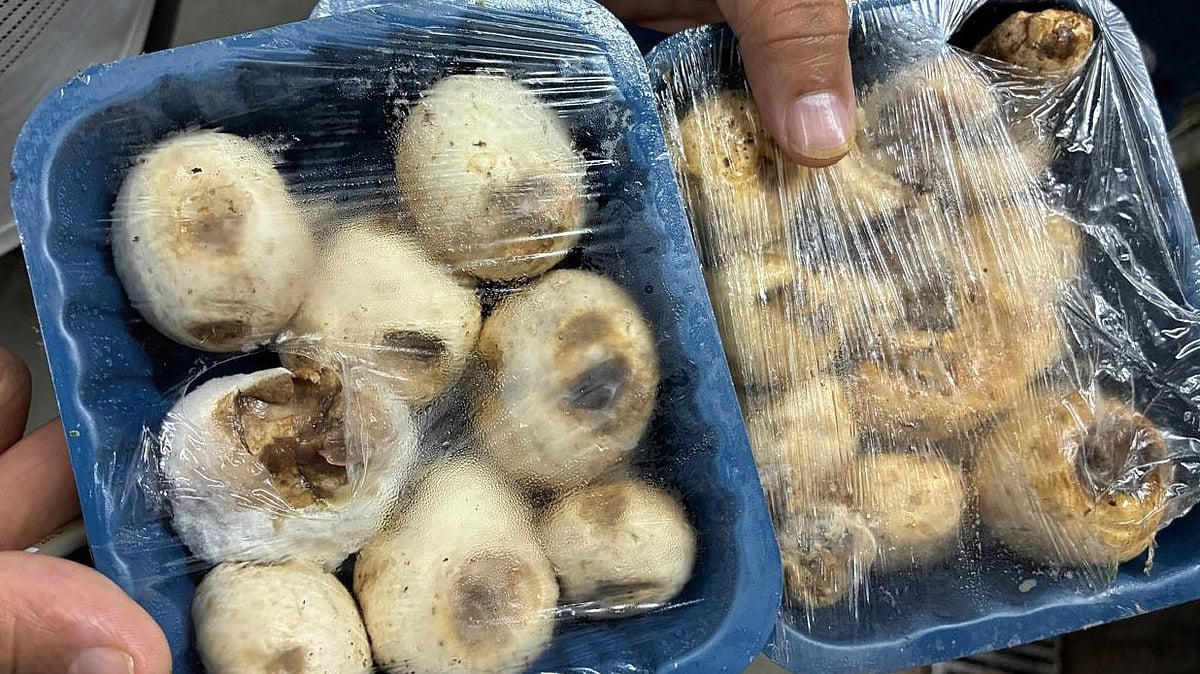
FDA Inspection Finds Expired Food, Hygiene Lapses At Bhopal Hotels

Dr Reddy’s Mexico API Facility Gets Two USFDA Observations

Largest US Cyclosporiasis Outbreak Declared Over After Lettuce Recall

Pune FDA Suspends Three Hotel Licences Over Food Safety Violations
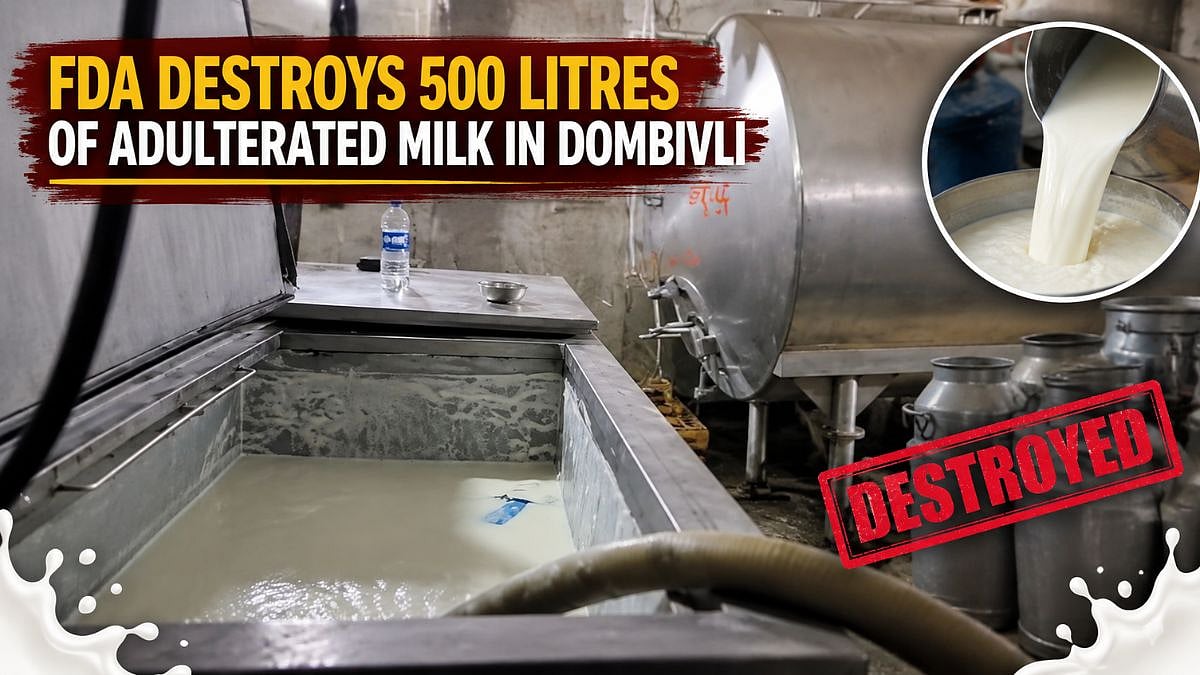
Maharashtra FDA Destroys 500 Litres of Suspected Adulterated Milk
