

1 day ago
Young Workers Face Harder Entry as US Labour Market Divides
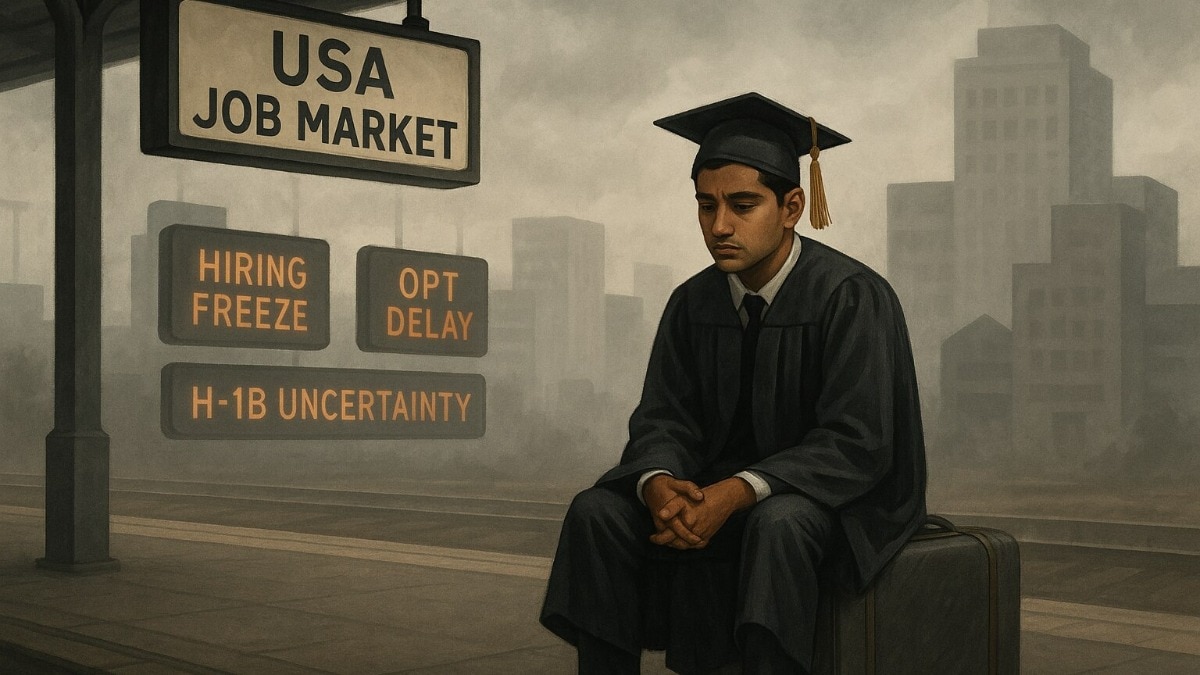
A recent jobs report showed that young adults in the United States had higher unemployment than older workers.
Rana Foroohar says many older workers are keeping good jobs, making it harder for younger people to get started.
She also says a person’s family, class, race and location can affect their opportunities.
A Census Bureau paper suggested that graduates in fields more exposed to artificial intelligence could have a harder time finding their first job.
It also estimated that they might earn less at first than graduates in less-exposed fields.
Foroohar says AI may make entry-level work more difficult, even though it could eventually create new jobs and industries.
She warns that continued difficulty finding good work could make young people more frustrated with the economy.
That frustration, she says, could add to political division and populism.

Unemployment was 7.1% for Americans aged 20–24, compared with 5.6% for those aged 25–54 and 3% for workers over 55.
Rana Foroohar argues that older workers are holding onto good jobs while younger people struggle to find decent work.
She says opportunity increasingly depends on family background, social class, race and location, not age alone.
A Census Bureau paper estimated that graduates in AI-exposed fields could face a five-percentage-point drop in initial employment likelihood and 13% lower earnings than peers in less-exposed fields.
Foroohar warns that job insecurity and weaker mobility could contribute to populism, political polarisation and weaker growth.
- Who
- Younger US workers, especially those aged 20–24; the analysis was by Rana Foroohar.
- What
- The article describes higher unemployment among younger workers and warns of a widening divide in job opportunities.
- Where
- The United States.
- When
- The cited jobs report was released in early September; Foroohar’s column was posted on October 4, 2026.
- Why
- Foroohar attributes the difficulties to a mix of age, unequal access to opportunity and the possible effects of AI on entry-level jobs.
Risks of AI for new workers
Potential longer-term benefits
AI and employment prospects
Risks of AI for new workers
Foroohar says AI could make it harder for younger people to get entry-level jobs, and cited estimates of lower initial employment likelihood and earnings for graduates in highly exposed fields.
Potential longer-term benefits
The article notes that AI could eventually generate new jobs and industries, although it gives no estimate of when or how many.
Key facts
- Unemployment, ages 20–24
- 7.1%
- Unemployment, ages 25–54
- 5.6%
- Unemployment, workers over 55
- 3%
- AI-exposed graduates
- A September Census Bureau paper estimated a five-percentage-point decline in likelihood of initial employment.
- Estimated earnings difference
- Graduates entering highly AI-exposed areas could earn 13% less than those entering less-exposed sectors.
- Potential wider effects
- Foroohar warned that economic insecurity could deepen populism and political polarisation.
Quotes

Rana Foroohar
Columnist and commentator discussing US labour-market opportunities.
“The result of that would in turn be more of the populism already so evident in the US, Italy and many other European countries”
 businesstoday.in
“If you are an insider, you have opportunity. If you are an outsider, by race or class, you have less”
businesstoday.in
Sources
Related news

Noncollege Workers See Strongest Job Market in Decades

Pew Survey Finds Young Adults Increasingly Fear AI Job Losses

AI Exposed Jobs Gain Pay as Layoffs Continue Rising

UN Leaders Urge Youth Investment, Warn AI May Widen Inequality

AI Build-Out Drives High-Paying Jobs Amid Employment Debate

Goldman Sachs Finds AI Adoption Leaders, Tech Hiring Faces Pressure

US Trade Deficit Widens as Imports Surge in August

AI Agents Crossed Website Boundaries in Recent OpenAI Incidents

Funflation Explains Pricier Hobbies As Consumers Keep Spending

Poll Sweeteners Cross Borders, Reshaping Modern Electoral Politics
