

1 hr ago
Poll Sweeteners Cross Borders, Reshaping Modern Electoral Politics
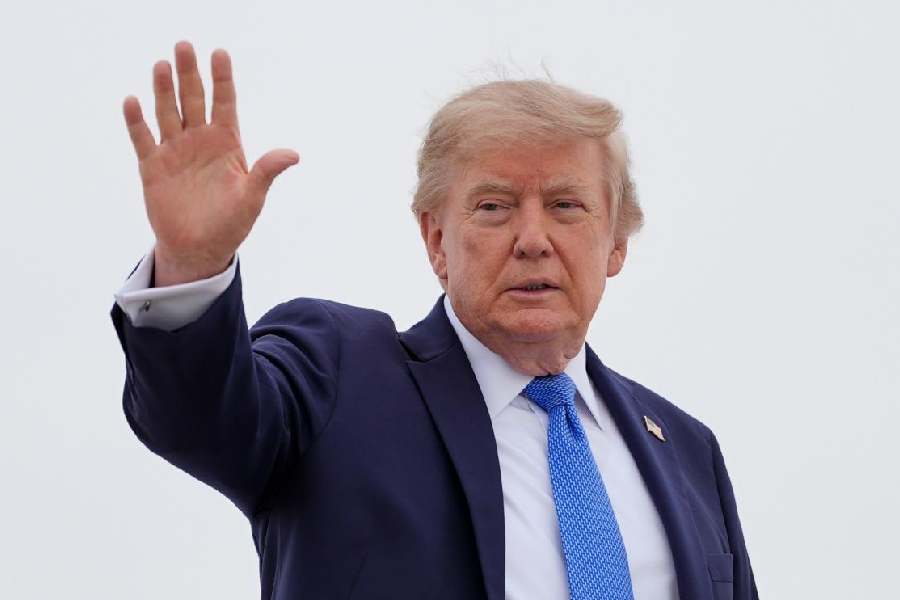
Donald Trump has promised a possible $5,000 payment to every American if his party wins an important election result.
The payment would happen after the midterm elections in November, according to the article.
It could cost the government about $1.3 trillion.
The article says it is not clear where all that money would come from.
Supporters might see the payment as help for families facing higher prices.
Critics may see it as a way to win votes.
The article says politicians in different countries are using welfare payments as election tools.
It warns that these promises can help people but may also create financial and ethical problems.

Donald Trump has proposed a $5,000 payment for every American if Republicans retain both chambers of Congress in November’s midterm elections.
The proposed payout could cost an estimated $1.3 trillion, while its funding source remains unclear.
The editorial links the proposal to rising prices following the United States’ costly conflict with Iran and to lower-income voters.
It argues that right-wing governments are increasingly adopting policies associated with political peers, including welfare-style election incentives.
India’s mass cash transfers reached Rs 1.96 lakh crore in 2025-26, raising concerns about the blurred boundary between welfare and electoral populism.
- Who
- Donald Trump, the Republican Party, American taxpayers and lower-income American households are central to the discussion; the editorial also compares the issue with India’s governments.
- What
- The editorial examines whether election-linked cash payments, or “revdis,” are spreading across countries and reshaping electoral politics.
- Where
- The comparison focuses on the United States and India.
- When
- Donald Trump announced the proposed payment last week, ahead of the November midterm elections; India’s cited cash-transfer figure covers 2025-26.
- Why
- The proposed payment is presented as a possible response to rising prices and as an electoral incentive, while India’s transfers illustrate the growing overlap between welfare and populism.
Welfare and Economic Relief
Electoral Populism and Fiscal Risk
Purpose of cash payments
Welfare and Economic Relief
Payments can support lower-income households, especially when prices are rising and national income is distributed unequally.
Electoral Populism and Fiscal Risk
Election-timed payments may function primarily as vote-winning incentives rather than carefully designed welfare policy.
Financial consequences
Welfare and Economic Relief
A large payment could provide immediate relief to families facing economic pressure.
Electoral Populism and Fiscal Risk
The proposed United States payout could cost about $1.3 trillion, with no clear funding source identified.
Political significance
Welfare and Economic Relief
Governments can adapt welfare tools across ideological and national boundaries to address voters’ needs.
Electoral Populism and Fiscal Risk
The editorial warns that blurring welfare and populism can produce economic and ethical collateral damage.
Key facts
- Proposed payment
- $5,000 for every American if Republicans retain both chambers of Congress
- Election timing
- The United States midterm elections in November
- Estimated cost
- About $1.3 trillion
- Funding status
- The source of funds remains unclear
- Earlier promise
- A previous promise of $2,000 checks funded by tariff revenues did not materialize
- United States income data
- The article cites $94,430 as average annual per capita income and $17,132 as mean annual household income for the bottom 20% in 2024
- India cash transfers
- Rs 1.96 lakh crore in 2025-26, according to data cited from the Sixteenth Finance Commission
Sources
Related news
Trump Proposes $5,000 Dividend Ahead of November Midterm Elections
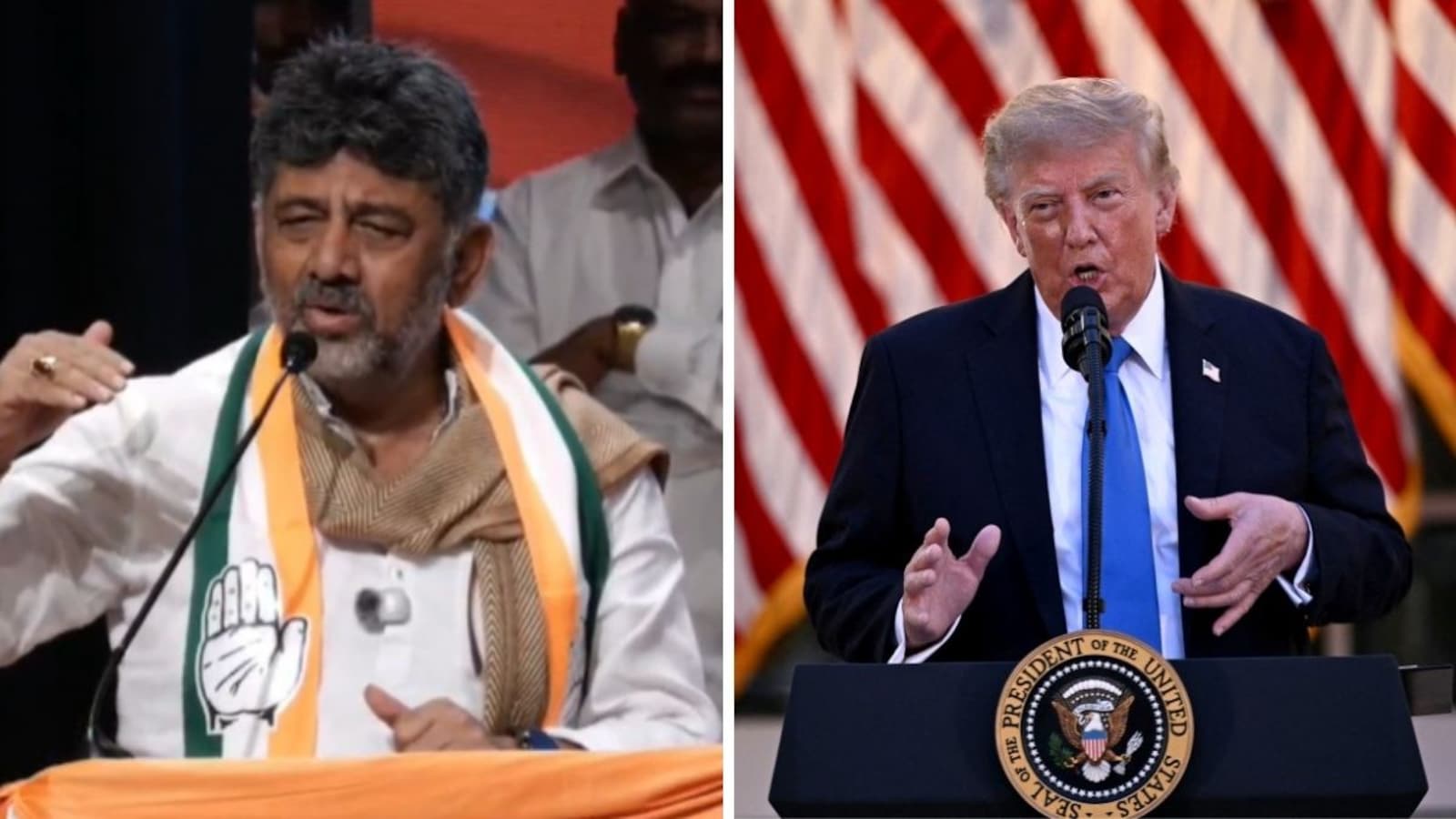
DK Shivakumar Says Trump Is Copying Congress Welfare Model
Trump’s $5,000 Dividend Tied to Republican Midterm Victory

Trump Promises $5,000 Dividend as Modi Opposition Attacks BJP
Trump’s $5,000 Dividend Promise Sparks Indian Ladli Behna Memes
Trump Proposes $5,000 Payments if Republicans Win Midterms

AI Jobs Boom Outpaces Layoffs as Infrastructure Spending Surges
Trump Census Proposal Could Exclude H-1B Workers, Students

Trump Census Plan Could Exclude Immigrants, Race Data

Global Elderly Population Surpasses Children Under Five in Historic Shift
