5 hrs ago
Supreme Court Upholds NCTE Power to Seek Annual Appraisals
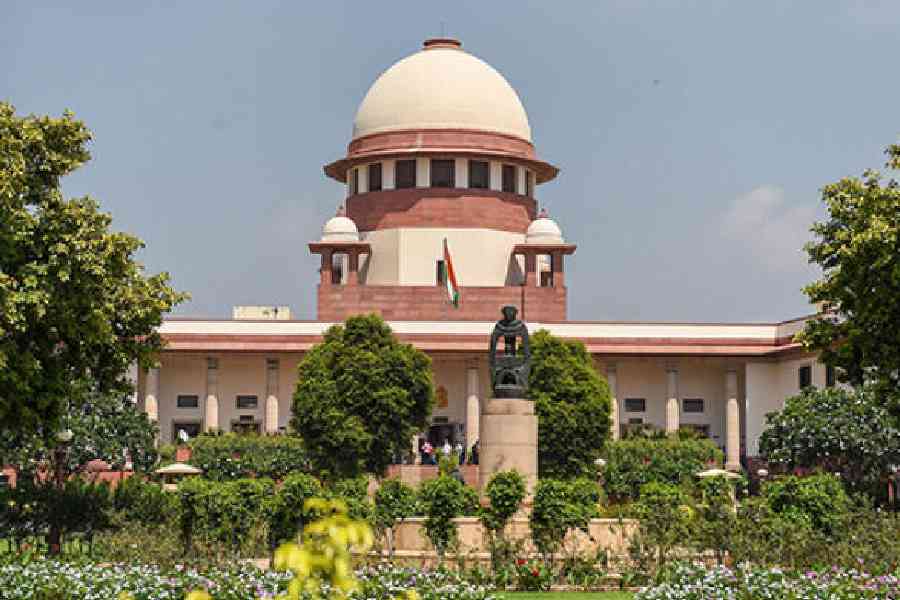
The Supreme Court decided that a teacher education regulator can ask training institutes for yearly reports.
These reports describe how well the institutes are performing.
The regulator is called the National Council for Teacher Education.
A Delhi High Court had earlier said the regulator did not have this power.
The Supreme Court disagreed and restored the regulator’s authority.
The judges said the regulator must be able to carry out its main job properly.
They explained that good teacher training can affect children’s development and lives.
The decision applies to teacher training institutions across India.

The Supreme Court upheld the National Council for Teacher Education’s power to seek annual performance appraisal reports.
The ruling applies to teacher training institutions across the country.
The court overturned a Delhi High Court decision that had quashed the NCTE’s 2019 public notice.
The judges said requesting reports is an incidental and ancillary regulatory function, even without explicit statutory wording.
The court linked effective teacher education regulation to the development and lives of children.
- Who
- The Supreme Court, the National Council for Teacher Education, its executive committee, and teacher training institutions.
- What
- The Supreme Court upheld the NCTE’s authority to seek annual performance appraisal reports from teacher education institutions.
- Where
- Across India, with the appeal arising from a Delhi High Court judgment.
- When
- The ruling concerned an NCTE public notice dated September 22, 2019; the judgment date is not stated in the article.
- Why
- The court said collecting reports is connected to the NCTE’s statutory duty to regulate and maintain standards in teacher education.
Delhi High Court’s View
Supreme Court’s View
Authority to seek appraisals
Delhi High Court’s View
The NCTE executive committee did not have the power to require teacher education institutions to submit annual performance appraisal reports.
Supreme Court’s View
The NCTE and its executive committee had sufficient statutory authority to call for annual performance appraisal reports.
Need for explicit statutory wording
Delhi High Court’s View
The public notice was quashed because the relevant power was not specifically granted to the executive committee.
Supreme Court’s View
A regulator may adopt measures that are incidental and ancillary to its statutory duties even without specific wording in the statute.
Regulatory purpose
Delhi High Court’s View
The notice was viewed as exceeding the executive committee’s authority.
Supreme Court’s View
The court said the executive committee must be able to implement the NCTE Act’s goal of planned and coordinated development and proper maintenance of teacher education standards.
Key facts
- Regulator
- National Council for Teacher Education (NCTE)
- Required document
- Annual performance appraisal report (PAR)
- Affected institutions
- Teacher training and teacher education institutions across the country
- Challenged notice
- A public notice issued on September 22, 2019
- Earlier ruling
- The Delhi High Court had quashed the notice.
- Supreme Court decision
- The appeal by the NCTE was allowed, upholding the authority to request PARs.
- Relevant law
- The NCTE Act, enacted in 1993
Quotes
Supreme Court bench of Justices Pamidighantam Sri Narasimha and Alok Aradhe
The Supreme Court bench that issued the ruling.
“We are of the opinion that even without a specific empowerment under the statute, such a regulatory measure can always be incidental and ancillary to the duties and functions of a regulator.”
 telegraphindia.com
“We are of the opinion that there is ample empowerment of the council as well as the executive committee to call for annual PAR from institutions imparting teacher education.”
telegraphindia.com
Sources
Related news
Supreme Court Upholds NCTE Teacher Appraisal Notice

SC Told Regulator Cannot Run Institution It Regulates
Supreme Court Bars Bar Councils From Disciplining Law Students

Delhi High Court reinstates probationary teacher fired without inquiry

Allahabad HC Denies RTE Exemption to CBSE, CISCE Schools