1 hr ago
Google Launches First AI Satellite Prototype Into Orbit
Google sent a small experimental satellite into space to study artificial intelligence computing.
The satellite carries four special AI chips called Tensor Processing Units.
It was launched on a SpaceX rocket and built with help from Planet Labs.
Google says the satellite is communicating and working as expected.
Scientists will watch how the chips handle shaking, radiation, and very hot or cold conditions.
The satellite uses solar panels to make about one kilowatt of power.
Google hopes future satellites could work together using laser links.
However, launch costs and other engineering problems still make this idea difficult.

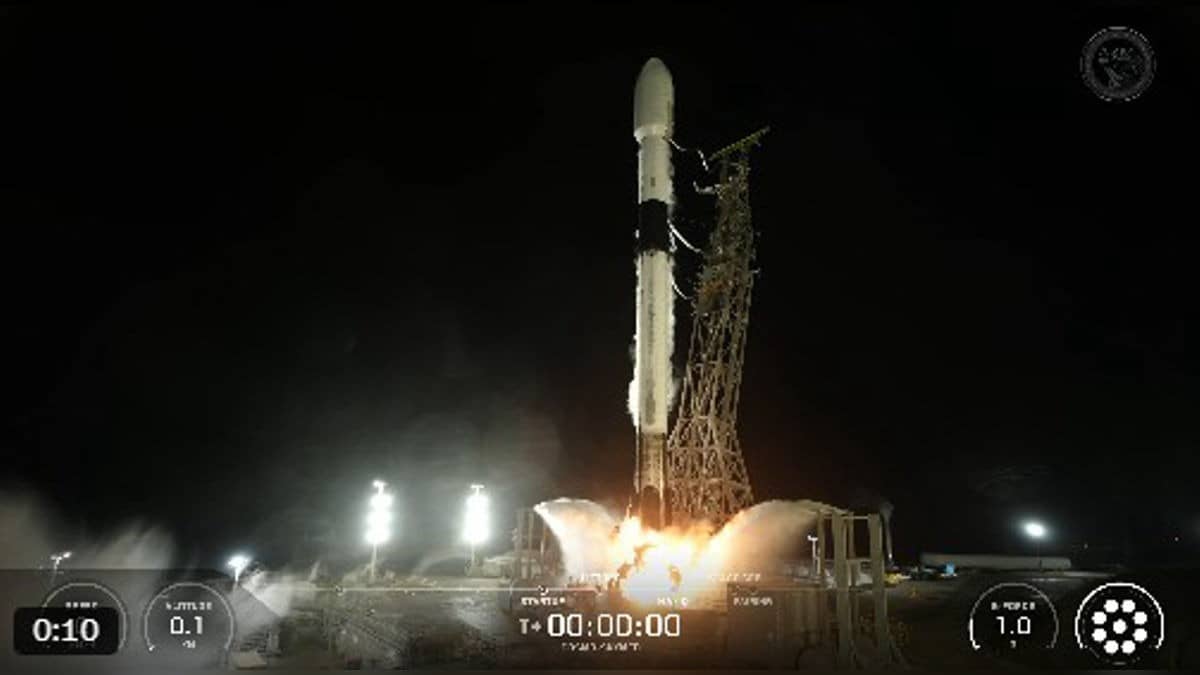
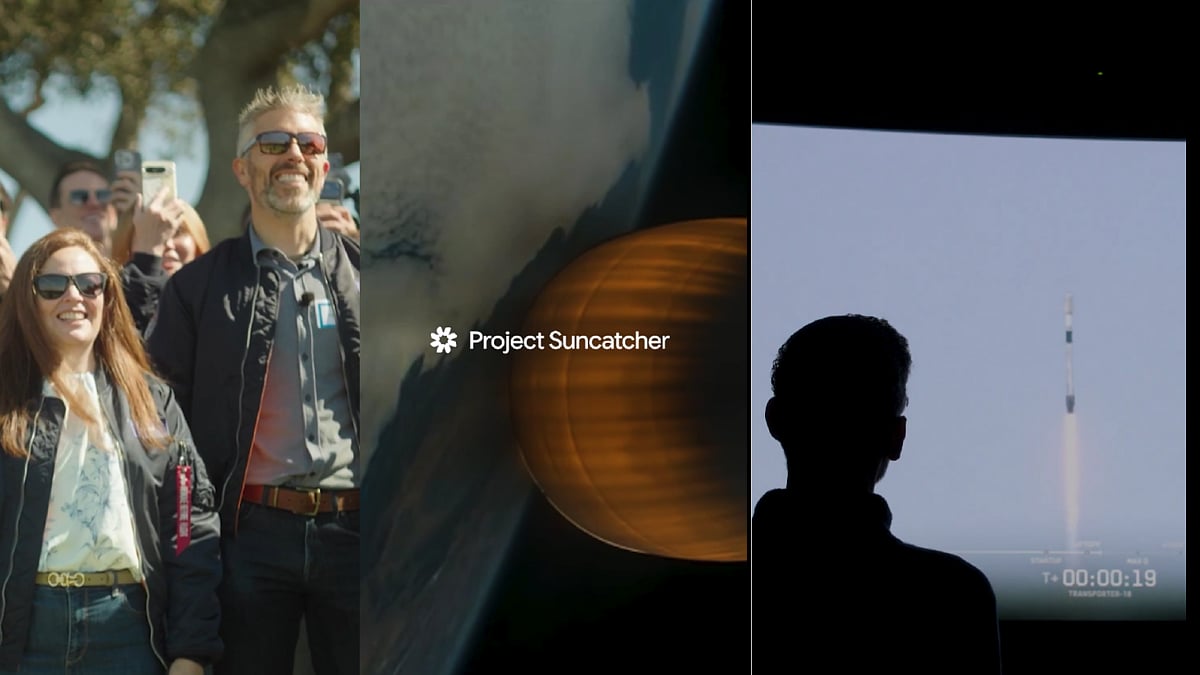
Google launched its first Project Suncatcher prototype satellite on SpaceX's Transporter-18 rideshare mission.
Built with Planet Labs, the satellite carries four Tensor Processing Units and reached orbit about 61 minutes after liftoff.
Google confirmed contact and said the satellite was operating as expected after launch.
The company will test how the chips handle launch stress, radiation, and extreme temperatures in orbit.
Google says orbital AI clusters could become feasible around 2035 if launch costs fall substantially.
- Who
- Google, working with Planet Labs and SpaceX, launched the prototype; Google executives and project leaders discussed it.
- What
- A Project Suncatcher prototype satellite carrying four Tensor Processing Units was placed in orbit.
- Where
- It launched from Vandenberg Space Force Base in California and was deployed into orbit.
- When
- During SpaceX's Transporter-18 rideshare mission; the exact launch date is not stated.
- Why
- Google is testing whether AI chips can operate in space and assessing the feasibility of future orbital computing clusters.
Orbital AI Opportunity
Technical and Economic Barriers
Purpose of the project
Orbital AI Opportunity
Google and SpaceX present space-based computing as a possible way to expand AI infrastructure and avoid some opposition to ground-based data centres.
Technical and Economic Barriers
Google emphasizes that Suncatcher is still a research project and does not describe it as an operational data centre in space.
Future feasibility
Orbital AI Opportunity
Google's proposed satellite clusters could provide large-scale computing capacity, with 81 satellites linked by lasers in the long-term design.
Technical and Economic Barriers
Analysts identify unresolved problems involving radiation tolerance, networking, heat rejection, and launch costs.
Economic practicality
Orbital AI Opportunity
Google estimates the concept could become feasible around 2035 if launch prices decline to roughly $200 per kilogram.
Technical and Economic Barriers
Current launch prices are reported at approximately $1,500 to $2,900 per kilogram, making orbital AI clusters substantially more expensive today.
Key facts
- Project
- Project Suncatcher, which Google describes as a research project rather than a space data centre.
- Launch vehicle
- SpaceX's Transporter-18 rideshare mission.
- Payload
- Project Suncatcher M1, one of 130 payloads on the flight.
- AI hardware
- Four Tensor Processing Units, using Google's Trillium generation.
- Power
- Solar arrays rated at around one kilowatt.
- Planned testing
- Google will collect data on launch stress, radiation, and extreme temperatures.
- Long-term plan
- Google envisions clusters of 81 satellites connected by laser links and has committed to a 2027 two-satellite test.
- Economic target
- Google estimates orbital AI clusters could become feasible around 2035 if launch costs fall to about $200 per kilogram.
Sources
Related news

Google's Project Suncatcher Tests AI Chips in Space

Google’s Project Suncatcher Tests AI Data Centers in Space
Orbital Data Centres Promise AI Expansion, But Challenges Remain
Indian startup TakeMe2Space plans orbital computing satellite launch on SpaceX
SpaceX Changes AI Data Center Strategy, Emphasizing Backup and Cooling

Google Explores Putting AI Compute In Space Through Project Suncatcher
SpaceX Launches 27 Starlink Satellites on 100th Falcon Mission
SpaceX Wins $1.6 B Contract for 18 Falcon 9 Launches

Airman Dies in Freak Accident at Space Force Base