

2 hrs ago
SpaceX Changes AI Data Center Strategy, Emphasizing Backup and Cooling
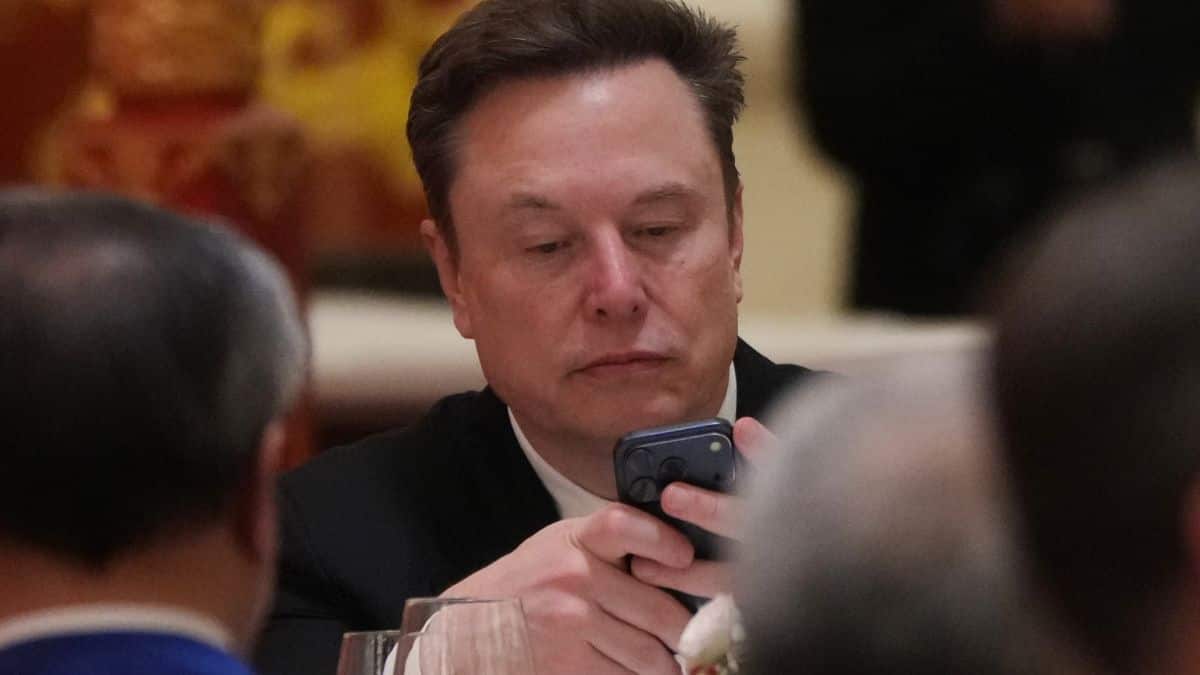
SpaceX is changing how it builds data centers for artificial intelligence.
Instead of moving as quickly as possible, it is focusing more on backup equipment and better cooling.
This could make new data centers take longer to finish.
Elon Musk has also talked about putting data centers in space.
Solar power could be available there for much of the time, and special radiators could help release heat.
However, sending equipment into space and keeping it connected would be difficult and expensive.
Some AI jobs would still work better on Earth because they need fast connections.
Experts have therefore questioned whether the space plan can happen as quickly as suggested.

SpaceX has assigned rocket engineers to oversee AI data center construction, according to The Information.
The new approach prioritizes backup infrastructure and advanced cooling systems over the earlier rapid-building pace.
The strategy could lengthen campus construction timelines and potentially delay revenue acceleration.
Elon Musk has discussed launching space-based data centers as early as late 2027.
Experts have questioned the feasibility of space-based centers because of connectivity, launch, maintenance, and economic challenges.
- Who
- SpaceX and Elon Musk, with rocket engineers assigned to oversee data center construction.
- What
- SpaceX is adopting a more cautious AI data center construction strategy while exploring space-based data centers.
- Where
- The planned AI data centers would be built on Earth, while the proposed alternative would operate in space.
- When
- The revised construction approach was recently disclosed; Musk has targeted a possible space-based data center launch as early as late 2027.
- Why
- The new strategy emphasizes backup infrastructure and advanced cooling, while space-based centers are intended to use near-continuous solar power and avoid competition for land.
Cautious Earth-Based Expansion
Ambitious Space-Based Expansion
Construction pace
Cautious Earth-Based Expansion
A slower approach prioritizes backup infrastructure and advanced cooling, potentially improving reliability but lengthening construction timelines.
Ambitious Space-Based Expansion
Space-based data centers could provide room to grow without competing for land and may use near-continuous solar power.
Suitable AI workloads
Cautious Earth-Based Expansion
Earth-based facilities remain better suited to real-time assistants, autonomous systems, and large foundation-model training because they require low latency and tightly connected, high-power computing.
Ambitious Space-Based Expansion
Orbital facilities could support latency-tolerant AI inference, sovereign AI workloads, and processing data generated in space.
Feasibility
Cautious Earth-Based Expansion
The revised terrestrial strategy is presented as a more strategic and manageable approach to new facilities.
Ambitious Space-Based Expansion
Industry experts have questioned Musk's space-based timeline, citing connectivity, launch, maintenance, and economic challenges.
Key facts
- Company
- SpaceX
- Construction change
- Rocket engineers have been assigned to oversee AI data center construction.
- New priorities
- Backup infrastructure and advanced cooling systems.
- Potential effect
- New campus construction could take longer and revenue acceleration could be affected.
- Space launch target
- Elon Musk has discussed launching space-based data centers as early as late 2027.
- Potential space advantage
- Sun-synchronous or dawn-dusk orbits could provide near-continuous solar power.
- Key challenges
- Connectivity, launch costs, maintenance, and economic hurdles.
Sources
Related news
Orbital Data Centres Promise AI Expansion, But Challenges Remain

SpaceX Plans First Nvidia-Powered AI Satellites for 2027
Sam Altman Defends OpenAI Amid Data Centre Backlash
Musk’s Turbine Strategy Could Boost AI Power Amid Pollution Concerns
SpaceX Plans Texas Foundry to Ease AI Power Bottleneck

Beyond Nvidia, power and cooling firms benefit from data-centre boom

Europe’s Far-Right Rise Is Patchy, Funded, and Reversible

Hollywood Turns Silicon Valley Tech Titans Into October Film Subjects
Michael Dell’s Fortune Surge Briefly Makes Him World’s Second-Richest

AI Experts Warn Advanced Systems Could Threaten Humanity
