3 weeks ago
Remembering Rabindranath Tagore, the Eternal Bard of Two Nations

Rabindranath Tagore was a famous writer, poet and artist from India who lived long ago.
He wrote poems, stories, plays and songs that people still love today.
He was the first person from Asia to win a big writing prize called the Nobel Prize in Literature.
His book of spiritual poems, Gitanjali, became famous all around the world.
Tagore also wrote about two thousand songs, which are called Rabindra Sangeet.
He is the only person who ever wrote the national anthems for two different countries, India and Bangladesh.
He started a school in a place called Santiniketan where children learned outside under the trees.
That school later grew into a big university named Visva-Bharati.
When he was almost seventy years old, he began painting and made more than two thousand artworks.
He passed away on August 7, 1941, but his words and music still inspire people everywhere.

India pauses to remember Rabindranath Tagore on the anniversary of his death on August 7, 1941.
In 1913, he became the first Asian to win the Nobel Prize in Literature for Gitanjali, whose English translation was introduced by Irish poet W. B. Yeats.
He composed nearly 2,000 songs known as Rabindra Sangeet, blending Hindustani classical, Baul folk and Western influences.
He is the only person to have written the national anthems of two sovereign nations: India's "Jana Gana Mana" and Bangladesh's "Amar Sonar Bangla".
Tagore founded the experimental school at Santiniketan in 1901, which became Visva-Bharati University in 1921, and produced more than 2,000 paintings in his later years.
- Who
- Rabindranath Tagore, the Nobel Prize-winning poet, composer, educator and painter remembered by India on his death anniversary.
- What
- A tribute marking Tagore's death anniversary and celebrating his legacy in poetry, music, education and painting.
- Where
- India, and especially Bengal, where his school and university were founded at Santiniketan.
- When
- August 7, the anniversary of his death on August 7, 1941.
- Why
- To honor Tagore's contributions to literature, music, education and his vision of humanity, peace and universal brotherhood.
Key facts
- Date of death
- August 7, 1941
- Nobel Prize
- Nobel Prize in Literature, 1913 — first Asian to receive it
- Signature work
- Gitanjali, a collection of spiritual poems
- Songs composed
- Nearly 2,000 songs (Rabindra Sangeet)
- National anthems
- India's "Jana Gana Mana" and Bangladesh's "Amar Sonar Bangla"
- School founded
- Experimental school at Santiniketan, 1901
- University founded
- Visva-Bharati University, 1921
- Paintings produced
- More than 2,000 artworks in his later years
Sources
Related news

New Biography of 'Myriad-Minded Man' Reveals Fragile Human Tagore
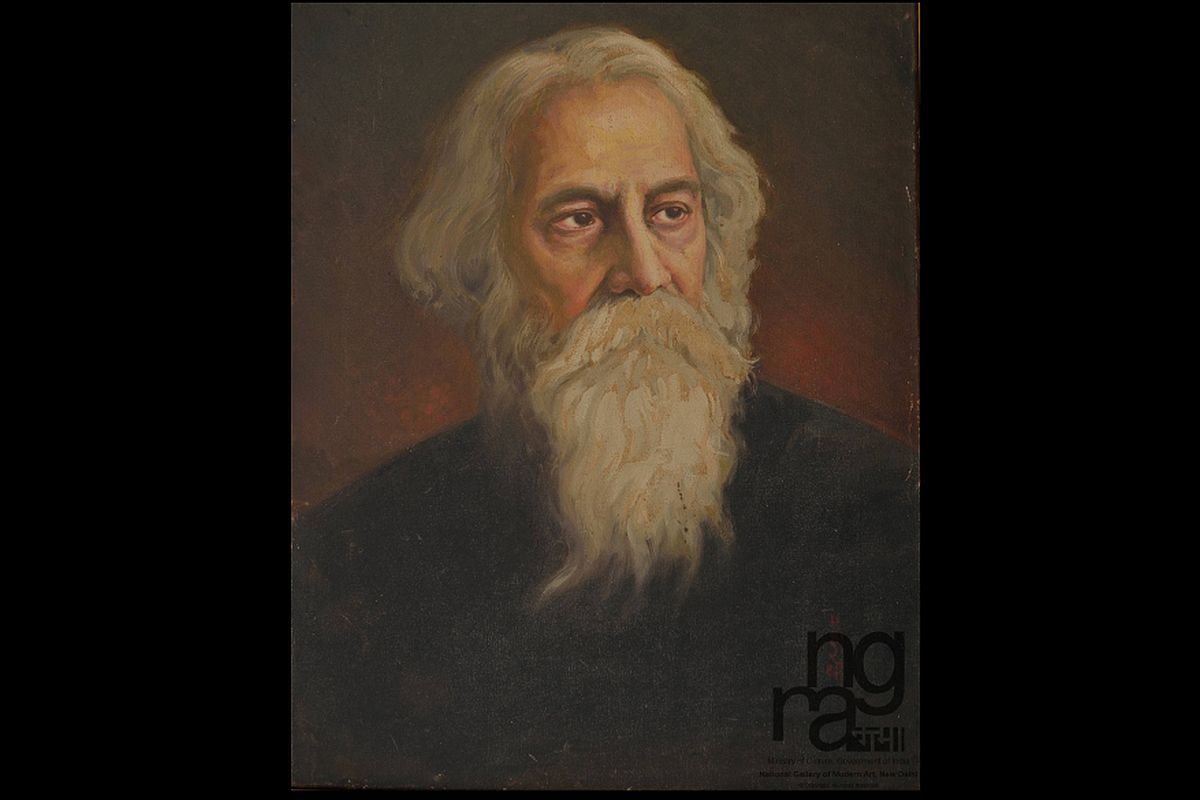
Rupa Reprints Krishna Dutta and Andrew Robinson's Biography of Tagore

Tagore’s Quote Urges Education Beyond One Generation’s Limits
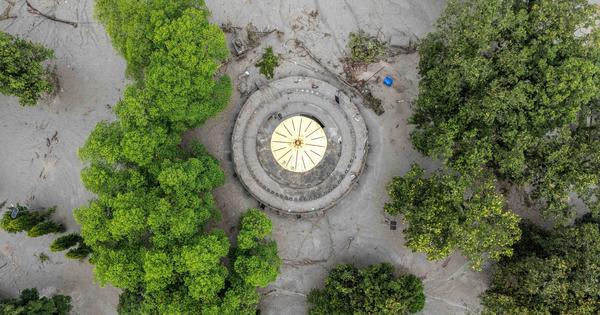
Tagore’s 1938 Warning About Forest Destruction Still Resonates

Book Reimagines Santiniketan Through Nature, Memory, and Tagore
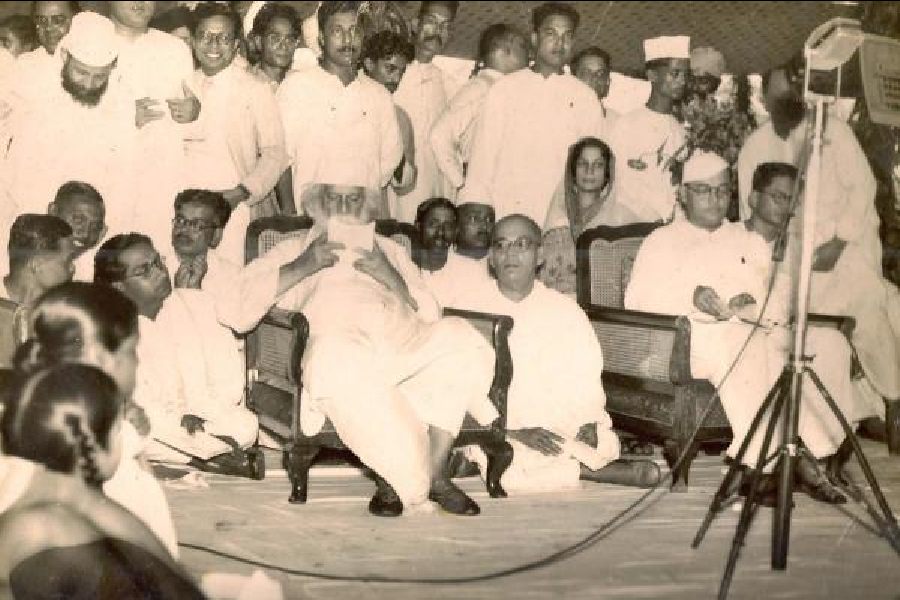
Why Tagore and Bose Matter in Troubled Times

Bangladesh Recall Shanto, Mahmud for Asian Games T20 Squad

Sharma and Malik share halfway lead at Telangana Golconda Masters

India Replaces Sri Lanka as 2027 Women’s Champions Trophy Host

Centre Assures JDU Bihar’s Interests In Farakka Treaty Decision

India’s Record Wheat Harvest Opens $1.5 Billion Export Window