6 days ago
Could Canada Turn Off US Lights? Experts Say Unlikely
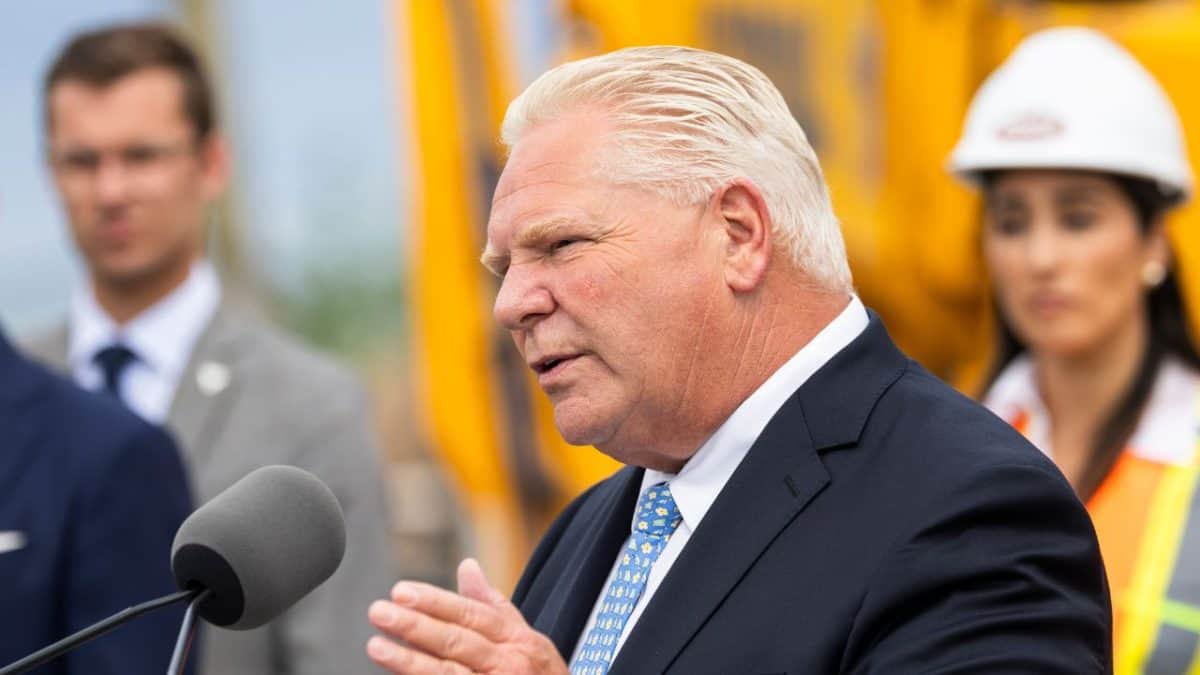
Ontario’s leader said Canada might stop sending some electricity to the United States during the trade fight.
This made some people worry that Americans could suddenly lose power.
Experts say that is unlikely because the United States has other ways to produce electricity.
However, replacing Canadian power could cost more and raise electricity prices.
Canada supplied electricity to some US states, but it does not control all of America’s electricity.
On a normal day, businesses and households would probably continue receiving power.
In an extreme situation, large electricity users might be asked to reduce their use first.
If that were not enough, officials could order planned rolling blackouts and warn customers beforehand.

Ontario Premier Doug Ford said cutting electricity exports to the US was among possible responses if the trade dispute worsened.
Canada imposed about $20 billion in retaliatory tariffs on American goods, but did not restrict electricity exports.
Experts said the US could replace Canadian electricity with other sources, although power prices would likely rise.
Canada exported $3.3 billion worth of electricity to the US in 2025, while importing $1.4 billion from the US.
Severe shortages could require curtailments or rolling blackouts, but widespread immediate blackouts are considered unlikely.
- Who
- Ontario Premier Doug Ford, Canadian officials, US electricity providers, and energy experts.
- What
- The possibility of Canada stopping electricity exports to the United States during a trade dispute was assessed.
- Where
- The electricity flows between Canada and the United States, including some US states supplied by Canada.
- When
- Ford made the threat in an interview on Monday; Canada announced about $20 billion in retaliatory tariffs on Tuesday. The cited electricity trade figures are for 2025.
- Why
- Ford raised the possibility as retaliation if the US-Canada trade dispute worsened.
Blackout claim
Expert assessment
Could Canada cause a nationwide blackout?
Blackout claim
The claim suggests Canada could shut off electricity exports and plunge the United States into darkness.
Expert assessment
Experts said Canada could stop exporting electricity but could not cause massive blackouts with a simple switch because the US has other electricity sources.
Likely effect of ending exports
Blackout claim
The claim implies that losing Canadian electricity would immediately leave American residents without power.
Expert assessment
Experts said the more likely effects would be higher electricity prices and increased reliance on more expensive domestic generation.
Risk during extreme conditions
Blackout claim
A disruption could be portrayed as a direct threat to household electricity supplies.
Expert assessment
Experts said extreme weather and unexpectedly high demand could create shortages, potentially leading to curtailments or planned rolling blackouts, with customers notified beforehand.
Key facts
- Threatened action
- Doug Ford said cutting Ontario’s electricity exports to the US was among the options under consideration.
- Retaliatory tariffs
- Canada imposed about $20 billion in tariffs on American goods.
- Canadian electricity exports
- Canada exported $3.3 billion, or 32.7 terawatt-hours, of electricity to the US in 2025.
- US electricity exports to Canada
- The US exported $1.4 billion, or 22.1 terawatt-hours, of electricity to Canada in 2025.
- US electricity generation
- The US generated 4.43 thousand terawatt-hours of electricity in 2025.
- Most likely impact
- Experts said ending Canadian exports would more likely increase electricity prices and other economic costs than cause immediate widespread blackouts.
- Possible emergency measures
- High-usage customers could face curtailment orders, followed by rolling blackouts if necessary.
Quotes
Jonathan Steirer
Interim director of Case Western Reserve University’s Great Lakes Energy Institute
“On a business-as-usual day, if they were to just turn off the metaphorical switch, most of the impacts would be economic.”
 firstpost.com
“They're mostly a supplier, they do not control the actual availability of energy in our homes.”
firstpost.com
Barbara Kates-Garnick
Professor of practice in energy policy at Tufts University’s Fletcher School
“We would see it in the market, we would see it in the prices, but we would not be bereft of electricity.”
firstpost.com
Sources
Related news
Canada Announces Tariffs on US Goods After Trade Talks Collapse

Canada, Ontario Premier Challenge Trump in Escalating Tariff War

Trump Escalates Trade Confrontation as Canada Vows Tariff Retaliation
Trump’s Canada Tariff War Strains Deeply Integrated North American Trade

Trump’s ‘We Don’t Need Canada’ Claim Meets Deep US Reliance
Ontario Premier Threatens Retaliation Over Trump Canada Tariffs

Google Maps Labels Lake Ontario Lake America for U.S. Users

Ford Counters Trump's Lake America Order With Lake Ontario Sign
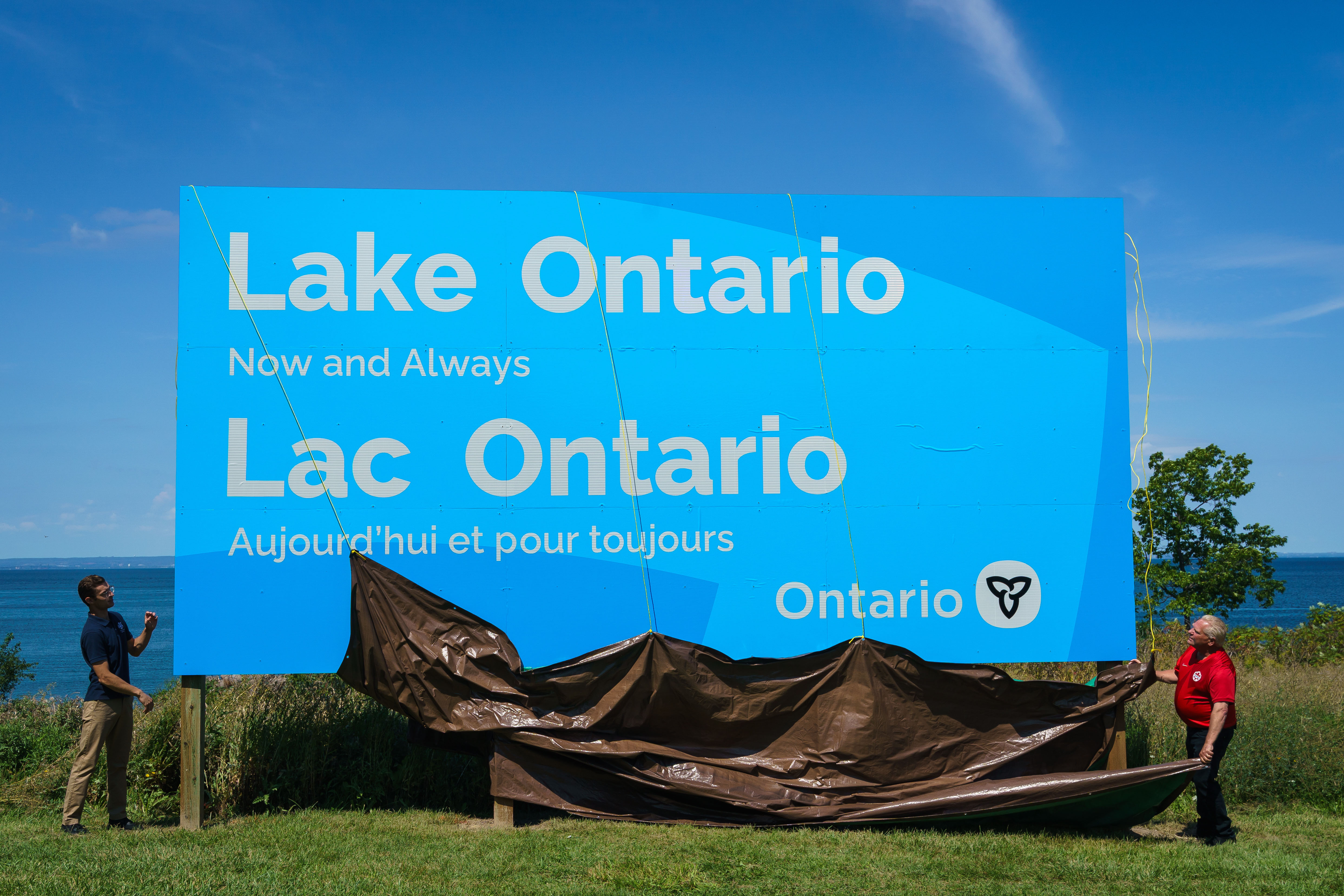
Canada Rebukes Trump’s Lake America Order With Giant Sign

Trump Renames Lake Ontario as Trade Tensions, Crises Escalate
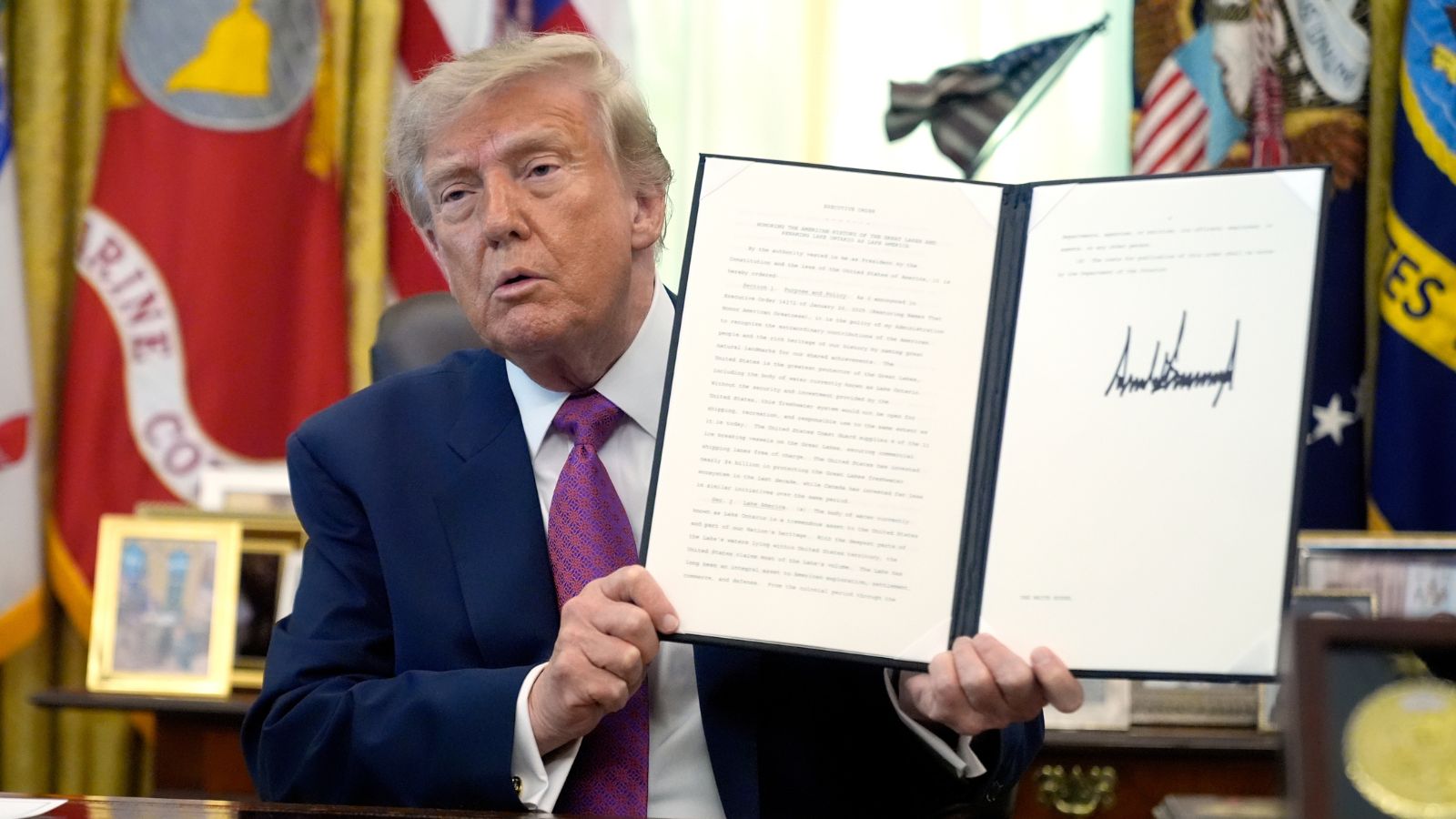
Trump Renames Lake Ontario; Canada Vows Lake Ontario Remains