1 hr ago
FATF Warns Informal Money-Transfer Networks Are Growing Worldwide
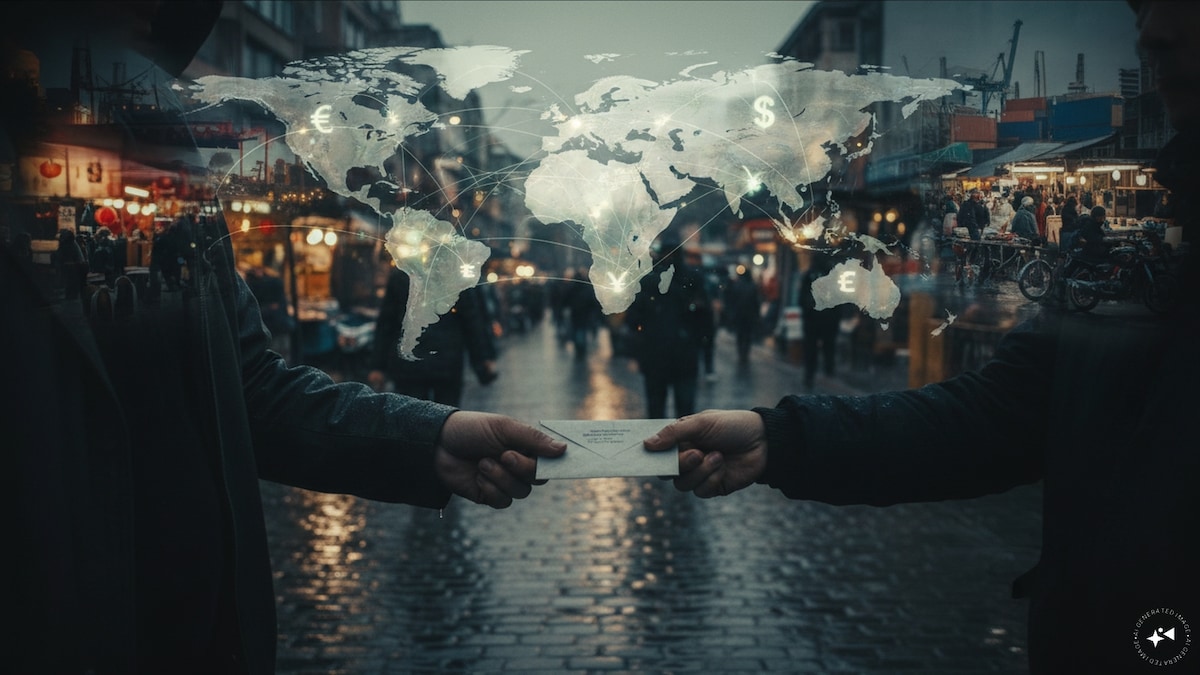
Some people send money through informal networks instead of regular banks.
One example is hawala, which uses agents to move payments.
The Financial Action Task Force says criminals are using these networks around the world.
They once mostly handled money from drug trafficking and smuggling.
Now they can also move money from fraud, cybercrime, terrorism financing and illegal gambling.
New technology, including encrypted messages and crypto, can make these networks harder to see.
Some professional workers are also accused of helping these schemes.
The watchdog wants governments and companies to do more to stop professional money laundering.

The Financial Action Task Force says criminal misuse of informal banking networks is a widespread global phenomenon.
Hawala and similar providers move payments through agents rather than regulated financial institutions.
The networks now handle proceeds from fraud, cybercrime, terrorism financing, gambling and organized crime.
Lawyers, accountants, auditors, consultants and real estate agents are increasingly involved, member states reported.
Encrypted communications, fintech, crypto and anonymity tools have made the networks faster and harder to trace.
- Who
- The Financial Action Task Force, along with governments and companies involved in combating money laundering.
- What
- The watchdog reported that criminal misuse of hawala and other informal money-transfer networks is widespread and growing.
- Where
- The networks operate worldwide; the report was reported from Paris.
- When
- The report was discussed on Thursday, September 3; the year was not specified in the article.
- Why
- Criminals are using these networks to move money from fraud, cybercrime, terrorism financing, gambling and other organized crime.
Key facts
- Watchdog
- Financial Action Task Force
- Network type
- Hawala and other similar service providers, or HOSSPs
- Global scope
- The misuse is described as a widespread worldwide phenomenon.
- Criminal proceeds
- Sources include drug trafficking, smuggling, fraud, cybercrime, terrorism financing, illegal gaming and gambling, and organized crime.
- Professional facilitators
- Reportedly include lawyers, accountants, auditors, consultants and real estate agents.
- Technology
- Encrypted communications, fintech, crypto and anonymity-enhancing tools are changing the networks.
- Trend
- Underground banking and HOSSP-based laundering are becoming increasingly professionalized.
Sources
Related news

WhatsApp Group Exposed Vast Hawala Network Tied to Crime
APG Report Flags Rise of Cyber Scam Hubs, Human Trafficking

Drug syndicates use WhatsApp, Telegram, Signal to run illegal trade

ED Arrests Two in Mumbai Digital Arrest Money-Laundering Case
ED Raids 12 Locations Across Four States in Parimatch Probe
Police Uncover Pan-India Cyber Fraud Money Mule Syndicate

Sitharaman Meets FATF President Thompson During G20 Finance Meeting

Lashkar-e-Tayiba Expands Outreach Network Across Pakistan Amid Rebuilding Drive

SEBI Proposes Easier Digital KYC for Overseas Indian Investors

Indian Assessments Say ISI Tightens Security Around Hafiz Saeed