

1 day ago
Anantapur Cultivates Tank-Bed Fodder Amid El Niño Conditions
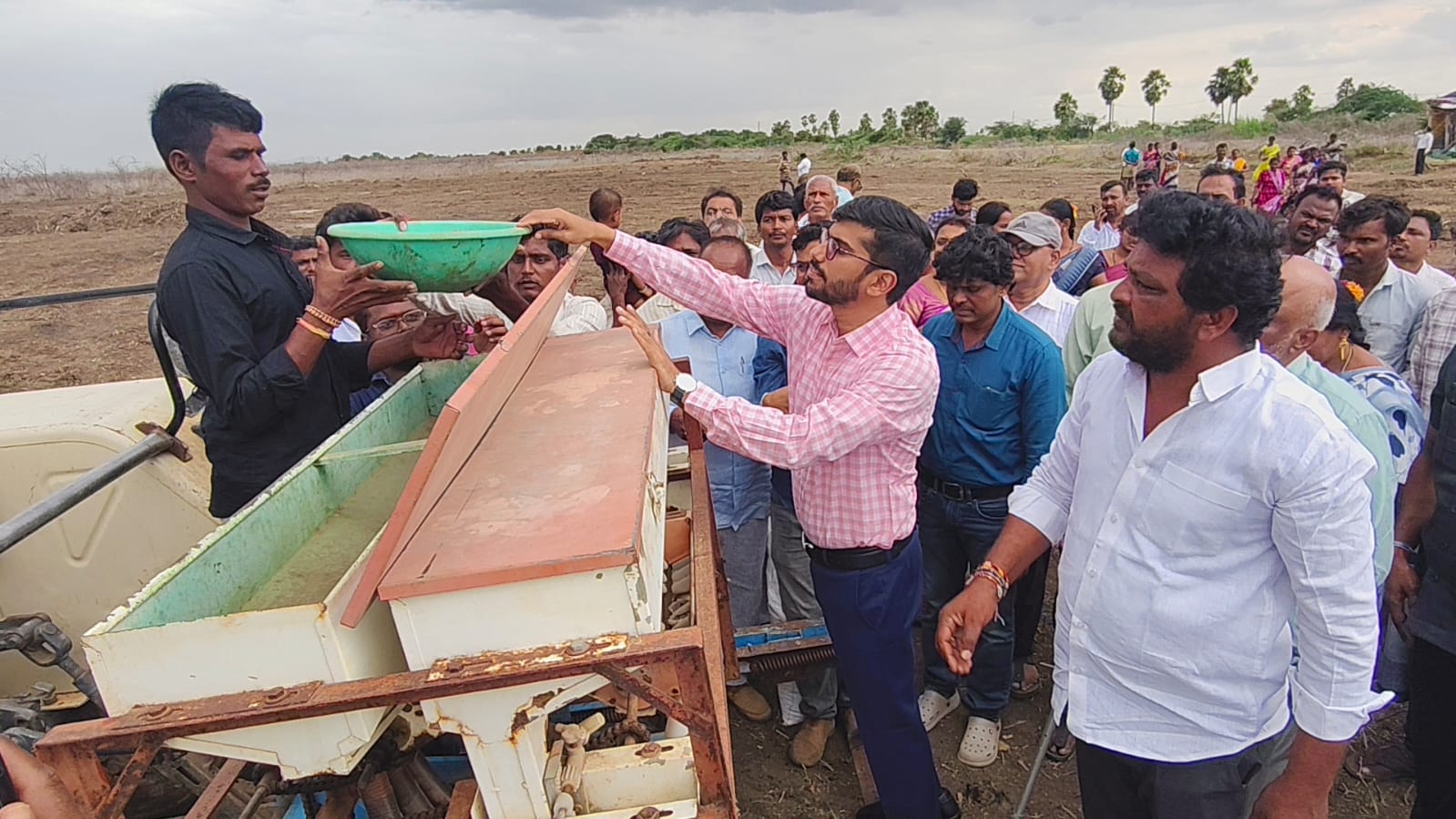
Officials in Anantapur are growing animal fodder in empty irrigation tank beds.
They are doing this because El Niño conditions have contributed to concerns about livestock feed.
Seeds have been sown on most of the approved land.
At Sreepuranam tank, 25 acres are being used for fodder.
The soil still has moisture from recent light rains.
A special dry-sowing method helps the seeds grow with limited rain.
The seeds are treated before planting to improve germination.
The fodder from this site may feed about 200 cattle for almost six months.

Fodder cultivation has begun in irrigation tank beds across Anantapur district.
The district permitted cultivation across 297 acres, with sowing completed on 249 acres.
Twenty-five acres at Sreepuranam tank in Gooty mandal are being cultivated using retained soil moisture.
Pre-Monsoon Dry Sowing uses treated seeds to germinate after light showers and use underground moisture.
The Sreepuranam fodder is expected to feed about 200 cattle for nearly six months.
- Who
- The Anantapur district administration and animal husbandry department, with financial assistance from the Rural Development Trust, are carrying out the cultivation.
- What
- Fodder is being cultivated in irrigation tank beds to improve livestock feed availability.
- Where
- Across Anantapur district, including the Sreepuranam tank bed in Gooty mandal.
- When
- The cultivation is taking place amid prevailing El Niño conditions, following recent light rains.
- Why
- To address a livestock-feed shortage and support the dairy sector by using available soil moisture.
Key facts
- Approved cultivation area
- 297 acres across Anantapur district
- Area already sown
- 249 acres
- Sreepuranam tank area
- 25 acres in Gooty mandal
- Expected livestock coverage
- About 200 cattle for nearly six months
- Rural Development Trust assistance
- ₹3,000 per acre for ploughing and sowing
- Free seed distribution
- 20 kg of fodder seed worth ₹1,840 per acre
- Sowing method
- Pre-Monsoon Dry Sowing with seeds treated using Ghana Jeevamrut and Beejamrut
Sources
Related news

Sri Sathya Sai District Expands Farmer Support Amid El Niño

Andhra Pradesh Plans Water Support Amid Rainfall Deficit

Don't plant paddy in haste, Wanaparthy DC warns farmers

Komatireddy Asks Farmers to Shun Paddy Amid Water Shortage
Collector Urges Water-Based Crop Choices Amid El Niño Concerns

Telangana Officials Unite to Protect Farmers Amid El Niño Threat

37 Evacuated Safely After Bengaluru-Hyderabad Bus Fire in Anantapur

Krishna Water Set to Reach Erstwhile Chittoor After September 10

Jagan Pays Tribute to YSR on 17th Death Anniversary

Anantapur Homeopathy Doctor Allegedly Attacks Teacher, Slits Her Throat
