1 hr ago
India’s Uniform Civil Code Revives Debate Over Equality and Rights
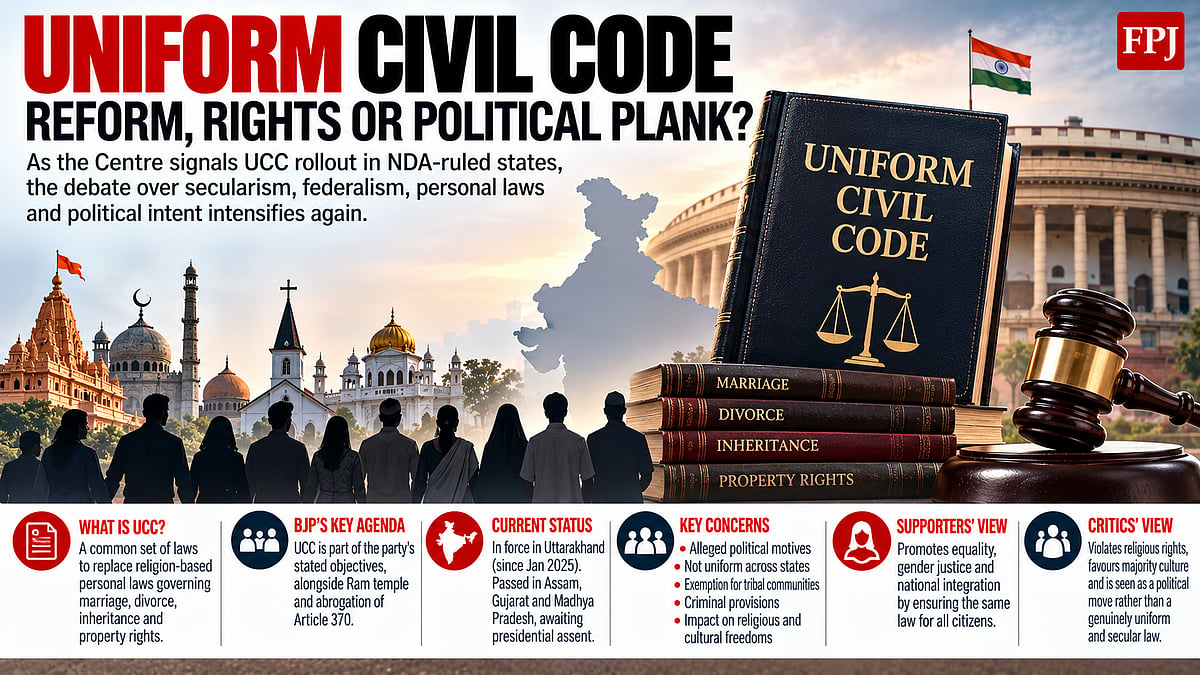
India has different family laws for different religious communities.
A Uniform Civil Code, or UCC, would create common rules for matters such as marriage, divorce, and inheritance.
Supporters say the same rules for everyone could help people receive equal treatment.
Critics worry that one set of rules could limit religious and community freedoms or clash with constitutional rights.
The article also says that UCC laws passed by different states may not be the same.
Some tribal communities are exempt from the codes described.
Uttarakhand’s code began in January 2025, while bills in three other states are awaiting approval.
The debate also concerns how to make family laws fairer for women.
A 2018 Law Commission report favored reforming unfair rules within personal laws rather than adopting a UCC at that time.

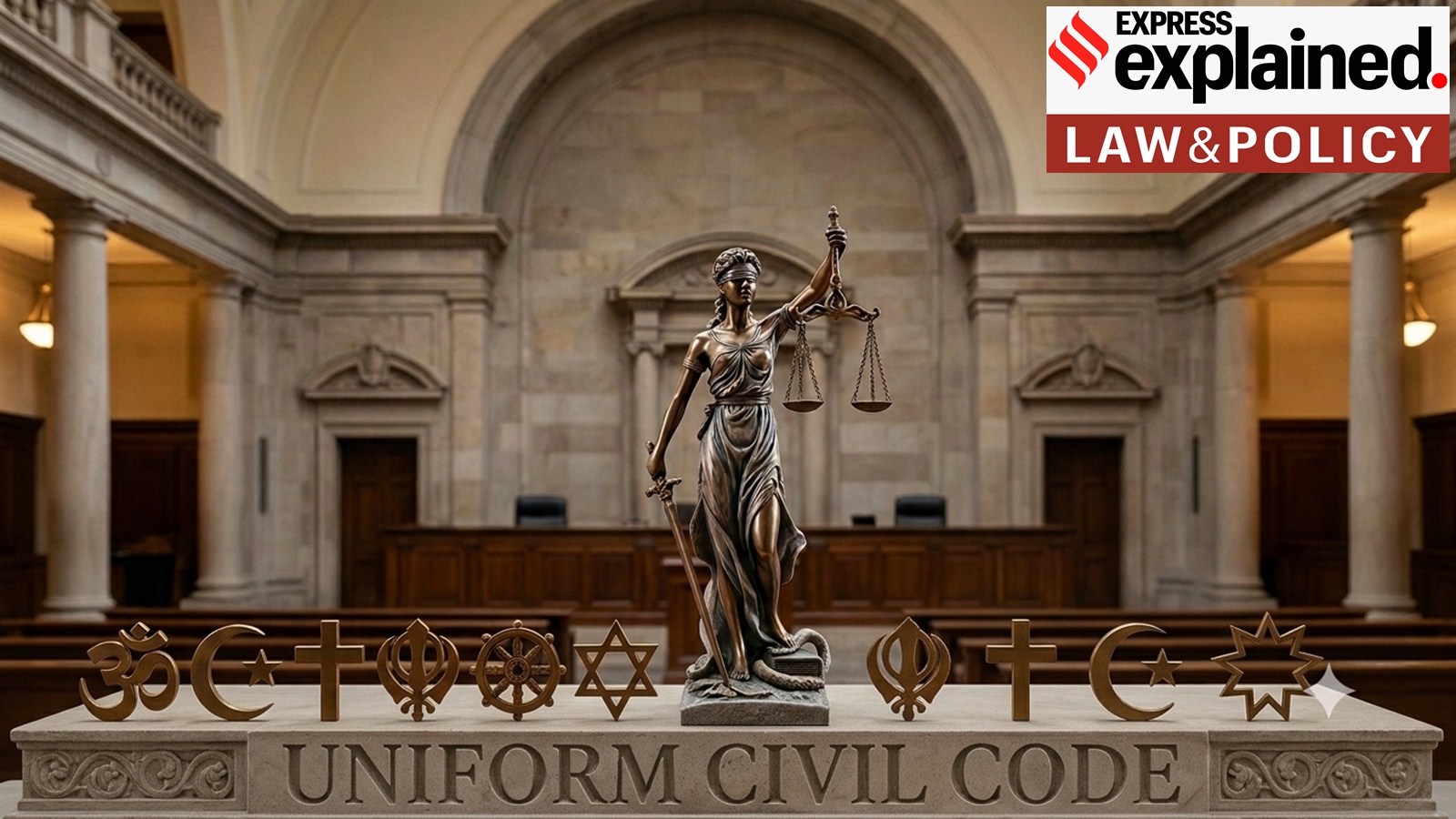
The Uniform Civil Code would replace religion-based personal laws with common rules for areas such as marriage, divorce, and inheritance.
Uttarakhand’s code took effect in January 2025; Assam, Gujarat, and Madhya Pradesh have passed bills awaiting presidential assent.
Amit Shah has indicated that the code would be implemented in all 21 NDA-governed states before the 2029 Lok Sabha election.
Critics argue that state versions differ, exempt many tribal communities, and may infringe constitutional rights; supporters say common rules can ensure equal treatment.
The article highlights gender equality as a reason for reform and cites the 2018 Law Commission view that a UCC was not necessary or desirable at that stage.
- Who
- India’s central and state governments, including the BJP-led NDA, and supporters and critics of the Uniform Civil Code.
- What
- A debate over implementing common civil rules for personal matters such as marriage, divorce, and inheritance.
- Where
- India; Uttarakhand has implemented a code, while Assam, Gujarat, and Madhya Pradesh have passed bills awaiting presidential assent.
- When
- Uttarakhand’s UCC took effect in January 2025; Amit Shah indicated wider implementation before the 2029 Lok Sabha election.
- Why
- Supporters argue common rules can advance equal treatment; critics raise concerns about constitutional rights, religious and community freedoms, and gender justice.
Supporters of the UCC
Critics of the UCC
Equality and secularism
Supporters of the UCC
Common civil rules could ensure citizens are treated equally regardless of religion.
Critics of the UCC
Uniform rules may override religious customs and community freedoms; critics say secularism also requires equal respect for different beliefs.
Constitutional rights and exemptions
Supporters of the UCC
A UCC is presented as a way to promote equality and social justice through common rules.
Critics of the UCC
Critics say differing state laws and exemptions for tribal communities undermine uniformity and raise concerns about equality and freedom of choice.
How to reform family laws
Supporters of the UCC
Supporters point to equal treatment in personal matters as a reason for a common code.
Critics of the UCC
The article cites the 2018 Law Commission preference for addressing discriminatory rules within personal laws, with a focus on equality between men and women.
Key facts
- UCC meaning
- A proposed common set of civil rules to replace religion-based personal laws in areas including marriage, divorce, and inheritance.
- Implemented state
- Uttarakhand; its UCC has been in force since January 2025.
- Bills awaiting assent
- Assam, Gujarat, and Madhya Pradesh have passed UCC bills awaiting presidential assent.
- Stated rollout timeline
- Amit Shah indicated implementation in all 21 NDA-governed states before the 2029 Lok Sabha election.
- Tribal exemptions
- The article says UCC provisions leave out large sections of tribal populations.
- Law Commission
- The 2018 Law Commission report said a UCC was neither necessary nor desirable at that stage and advocated reforming discriminatory personal-law provisions.
Sources
Related news
Amit Shah Pushes State-By-State UCC Rollout Before 2029
Shah Sets 2029 UCC Goal Through State-by-State Implementation
Gujarat's State Civil Code Debate Draws Contrasting Views
Constituent Assembly Debated Uniform Civil Code and Religious Freedom
NDA Allies Split Over Amit Shah’s Uniform Civil Code Push
Dhar BJP Rift Deepens as MLA Announces Hunger Strike
Madhya Pradesh Speaker Urges Calling Gen Z ‘Tarun Bharat’
Madhya Pradesh Seva Setu Camps Bring Services Closer to Citizens

Man Allegedly Attacks Wife With Sickle in Ujjain Over Suspicion