3 weeks ago
Wild Elephants in Southern India Expanding Range After Two Centuries
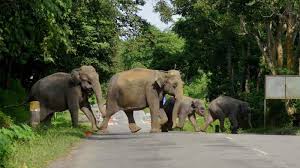
Elephants are the biggest land animals, and they usually stay in forests where they have lived for a long time.
Scientists in southern India found that wild elephants are now moving to new places.
These new places had no elephant sightings for more than 200 years.
One such place is the Oddanchatram forest range, where British records showed elephants in 1812.
After 1812, elephants were not seen there again until around 2006.
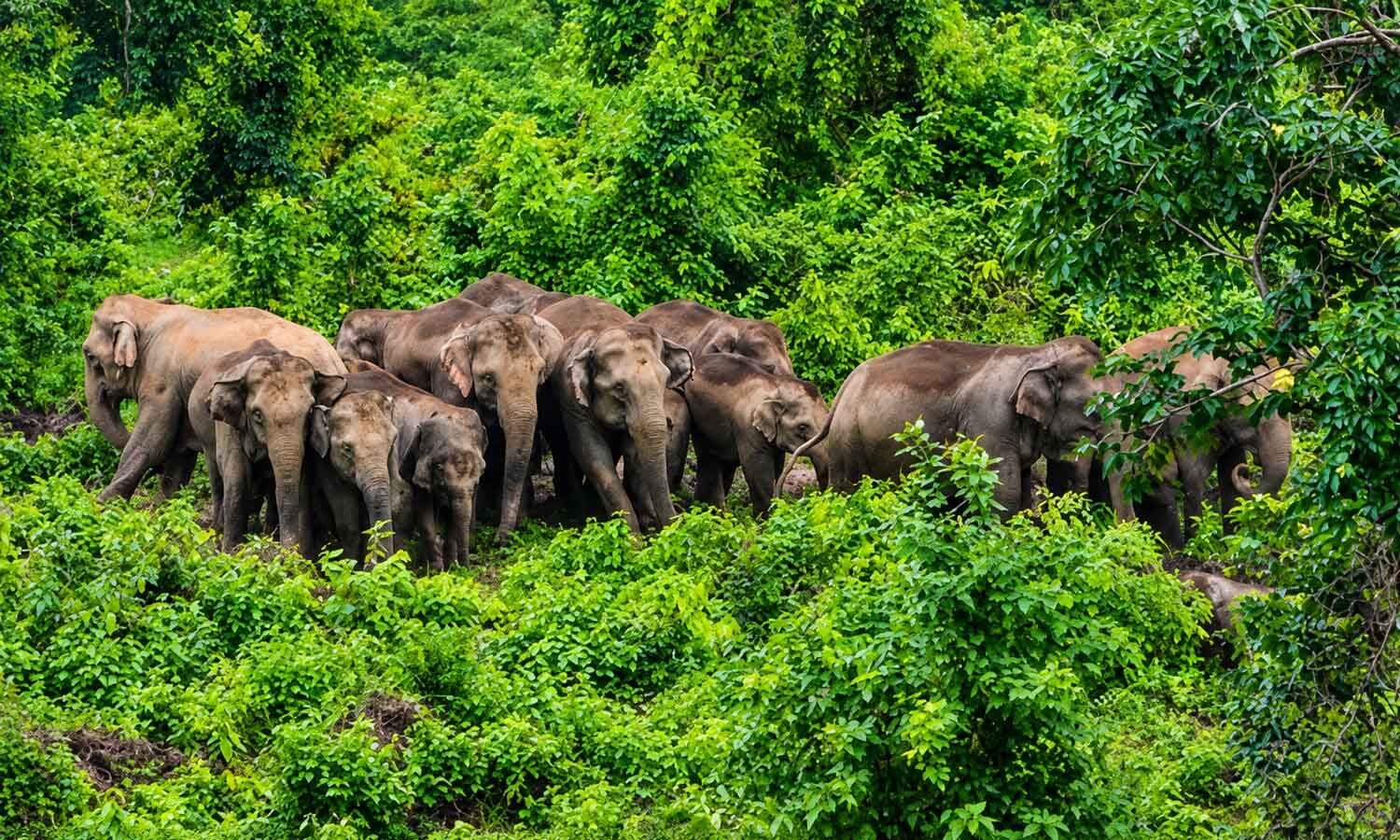
Between February and July 2016, scientists counted 18 elephants of different ages in the foothills of that forest.
The elephants probably came from the Anamalai Tiger Reserve and the Chinnar Wildlife Sanctuary.
There are two possible reasons elephants are moving: their old forests may not have enough food, or there may just be too many elephants.
When elephants go to new places, they can sometimes come near people's homes and farms.
That is why experts say we need a plan to manage elephants in their new areas so people and elephants can live safely.

Wild elephants in southern India are dispersing into areas where their movement had not been recorded for more than two centuries.
Between February and July 2016, researchers found 18 wild elephants of different age groups in the foothills of Oddanchatram forest range.
British-era records documented elephants in the Oddanchatram area in 1812, with no records of movement there again until 2006.
The Oddanchatram elephants likely came from the Anamalai Tiger Reserve in Coimbatore and the Chinnar Wildlife Sanctuary in Kerala.
Researchers say the range expansion may signal a lack of resources in traditional habitats or a growing elephant population.
- Who
- Wildlife biologists Dr. B. Ramakrishnan (Government Arts College, Ooty) and Dr. G. Sivasubramanian (Kongunadu Arts and Science College, Coimbatore), who conducted the dispersal studies.
- What
- A study documenting wild elephant range extension into southern Indian areas, such as the Oddanchatram forest range, where no elephant movement had been recorded for over two centuries.
- Where
- Southern India, including the Oddanchatram forest range (Dindigul forest division, Tamil Nadu), plus dispersal from Hosur and Bannerghatta into Andhra Pradesh and from north Canara into Maharashtra and Goa.
- When
- The study covers the recent decade; 18 elephants were recorded in the Oddanchatram foothills between February and July 2016.
- Why
- Range extension may be caused by a lack of resources in traditional habitats or a growing elephant population, and management plans are needed to avoid conflict with people in the new areas.
Resource Scarcity
Population Growth
Why are elephants extending their range?
Resource Scarcity
Elephants are moving into new areas because their traditional natural habitats lack sufficient resources, forcing them to seek greener pastures.
Population Growth
Elephants are moving into new areas because their population has grown, and numbers have expanded beyond the capacity of their traditional habitats.
Key facts
- Lead researcher
- Dr. B. Ramakrishnan, Head, Department of Wildlife Biology, Government Arts College, Ooty
- Co-researcher
- Dr. G. Sivasubramanian, Head, Department of Wildlife Biology, Kongunadu Arts and Science College, Coimbatore
- Elephants found at Oddanchatram foothills
- 18 wild elephants in different age groups, February–July 2016
- First record in Oddanchatram area
- 1812, per British-era records (Kannivadi forest range)
- Elephant movement resumed in Oddanchatram range
- 2006
- Likely source populations
- Anamalai Tiger Reserve, Coimbatore, and Chinnar Wildlife Sanctuary, Kerala
- Other dispersal examples
- Hosur and Bannerghatta to Andhra Pradesh; north Canara to Maharashtra and Goa
- Possible causes
- Lack of resources in traditional habitat or growing elephant population
Sources
Related news
Elephant Herd Movement Prompts Alerts Across Tirupati’s Seshachalam Forest
Why Elephant Corridors Matter as Disruptions Intensify Human Conflict
WII Begins Three-Year Study as MP Elephant Population Nears 100
Tamil Nadu Notifies Three Elephant Corridors Near Karnataka Border

Indigenous radio collar fitted to Bhuvaneshwari herd elephant in Hassan
Elephant Day: Minister Flags Shrinking Forests, Blocked Corridors

Kaaval Karangal Reunites 70-Year-Old Woman With Family in Chennai

CAG report: E. coli in water, only 11% stations have amenities

Delhi Club Battles Eviction After Derecognition Order in 2024

Government Scrutiny of Administrative Institutions Intensifies