

1 hr ago
House Gives Trump New Tools to Pressure Putin

The House of Representatives passed a bill designed to put more pressure on Russia and Vladimir Putin.
The Senate had already approved the bill, so it now goes to President Donald Trump.
The bill would punish Russian businesses, banks, wealthy supporters and ships involved in oil exports.
It would also let the president place very large tariffs on countries that buy Russian oil and gas.
China and India are among the countries that could be affected.
Supporters believe these measures could make it harder for Russia to pay for its war in Ukraine.
Critics worry that the president would have too much power to set tariffs.
The bill was passed while Russia and Ukraine continued fighting and Russian forces attacked civilian targets and power plants.

The House approved the sanctions bill 262-159, sending it to President Donald Trump after the Senate passed it last month.
The measure targets Russia’s shadow fleet, oligarchs, banks and foreign financiers supporting its industrial base.
It allows tariffs of up to 100% on the five largest importers of Russian oil and gas over a 12-month period.
Supporters say the tariffs could pressure Russia and China, while opponents warn they grant President Trump excessive tariff authority.
The legislation comes as fighting in Ukraine remains intense, with Russian attacks targeting power plants and civilian areas.
- Who
- The U.S. House and Senate, President Donald Trump, Russia and Vladimir Putin, and countries that buy Russian oil and gas are central to the measure.
- What
- Congress approved a bill expanding sanctions on Russia and authorizing possible tariffs of up to 100% on major importers of Russian energy.
- Where
- The House acted in Washington, while the measure concerns Russia’s war against Ukraine and countries involved in Russian energy trade.
- When
- The House approved the bill this week; the Senate passed it last month.
- Why
- Supporters seek to reduce Russia’s war financing and increase pressure on Putin to negotiate.
Supporters of the Bill
Critics of the Bill
Presidential tariff authority
Supporters of the Bill
Supporters say the tariff power gives the United States a stronger tool to pressure Russia and countries helping finance its war.
Critics of the Bill
Opponents fear the bill gives Donald Trump too much authority to impose tariffs, especially given concerns about his use of other tariff statutes.
Pressure on Russia
Supporters of the Bill
Supporters argue tariffs may be harder for Vladimir Putin to evade than sanctions and could reduce money available for the war.
Critics of the Bill
Critics question whether the administration will actually use the tariff authority, particularly against China, because the bill includes a waiver process.
China policy
Supporters of the Bill
Supporters, including Senator Roger Wicker, say the bill directly targets Chinese support for Russian weapons producers.
Critics of the Bill
The article says the administration may prioritize a friendly summit with Xi Jinping, potentially limiting its willingness to punish China.
Key facts
- House vote
- 262-159, including support from 203 Republicans, 58 Democrats and one independent.
- Senate vote
- The Senate passed the bill with 86 votes last month.
- Maximum tariff
- The president could impose a tariff of up to 100% on the five largest importers of Russian oil and gas over a 12-month period.
- Targeted entities
- The bill targets Russia’s shadow fleet, oligarchs, banks and foreign financiers of its industrial base.
- Potentially affected countries
- China and India are among the current top importers of Russian oil and gas identified in the article.
- European exemption
- The bill says tariffs should not be imposed when a country’s gas imports represent less than 15% of Russian exports and it has taken significant steps to reduce dependence.
- Next step
- The measure now goes to President Donald Trump for his signature.
Quotes

Roger Wicker
Republican U.S. senator who supports the sanctions and tariff legislation
“specifically targets Chinese support for Russia’s weapons producers.”
 livemint.com
“They basically do what we do”
livemint.com
Sources
Related news

US House Passes Sweeping Russia Sanctions Bill Targeting Energy Buyers

House Passes Russia Sanctions Bill Giving Trump New Tariff Powers
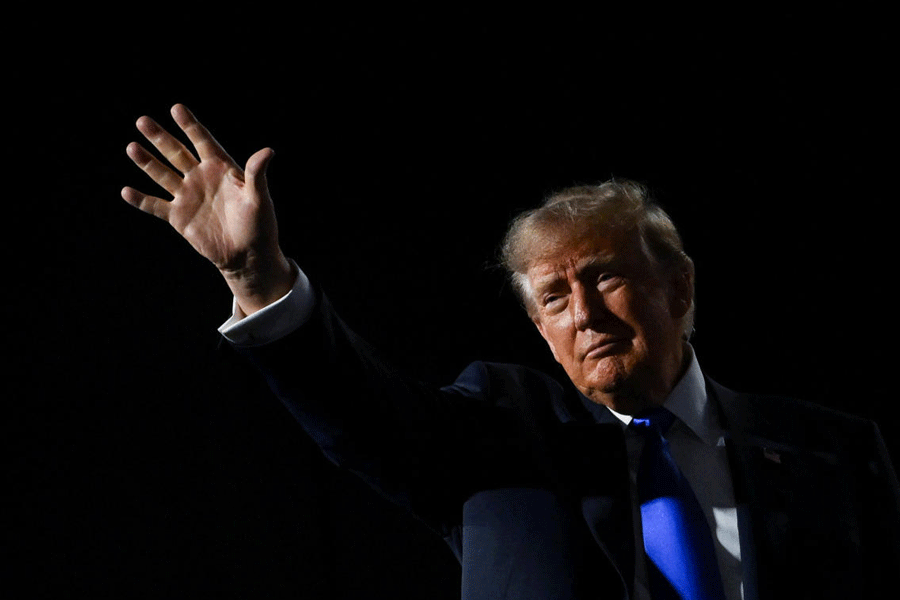
House Passes Graham-Backed Russia Sanctions Bill Targeting China, India
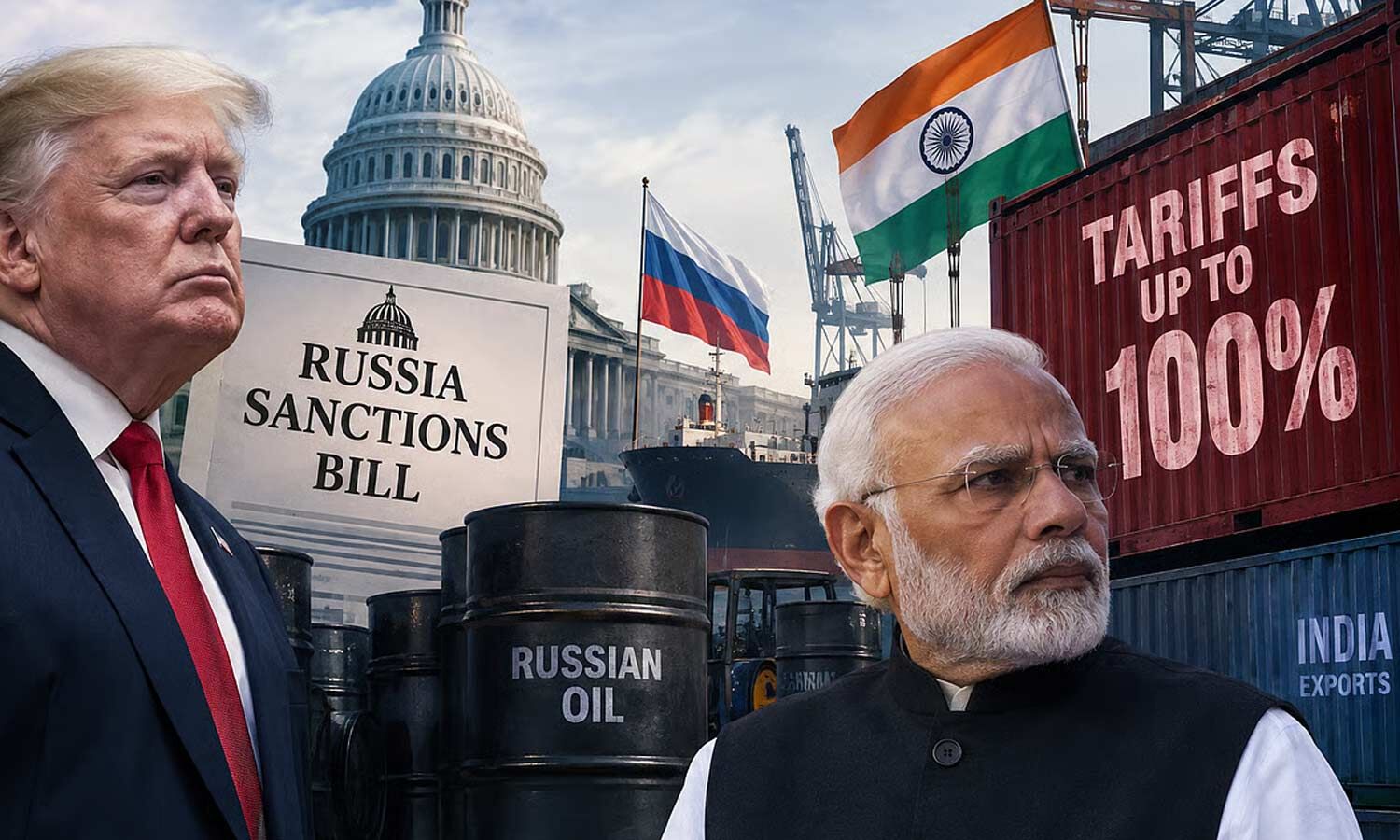
House Passes Russia Sanctions Bill Giving Trump Tariff Power
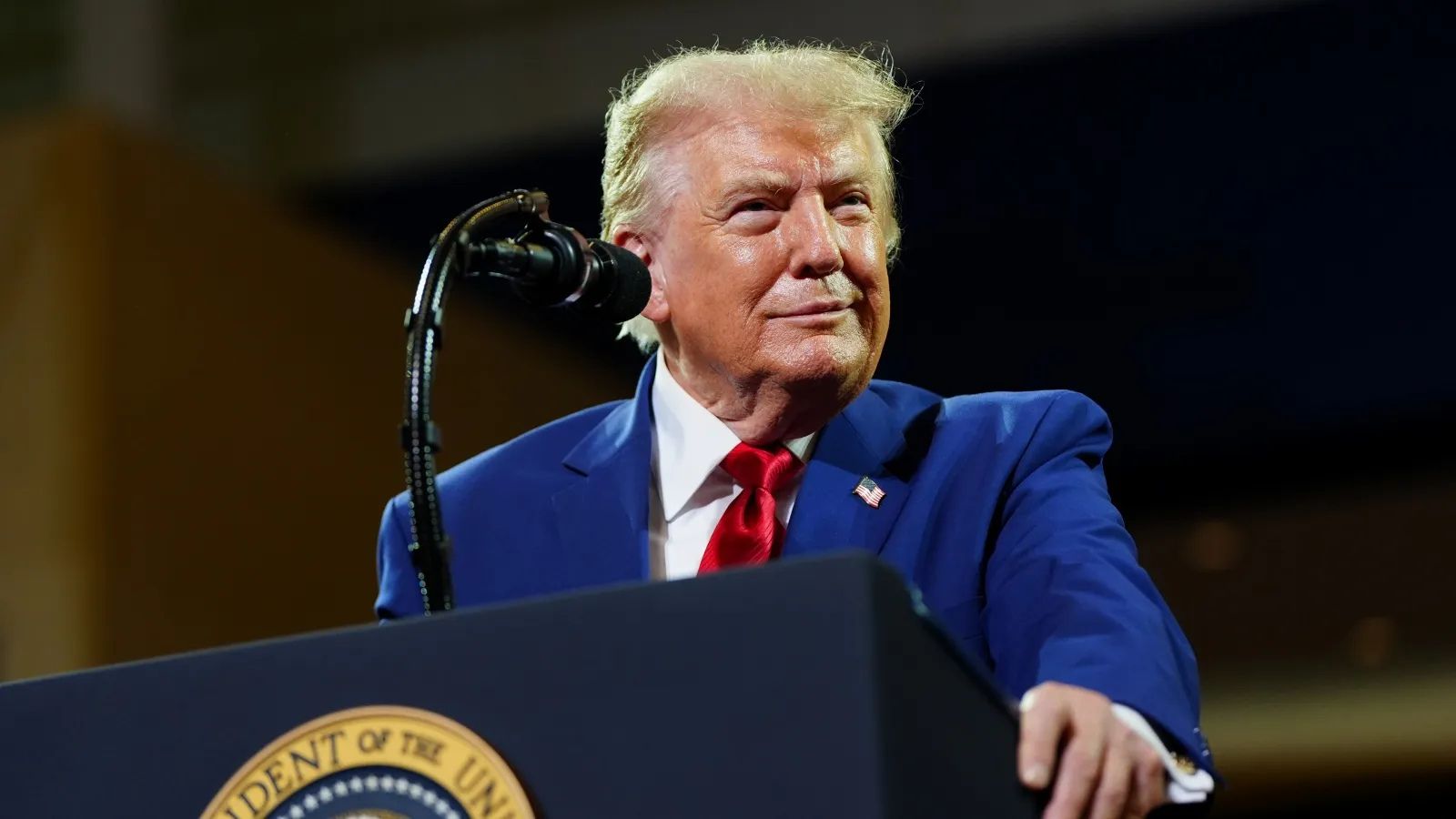
US Passes Russia Sanctions Bill, Authorizing 100% Tariffs
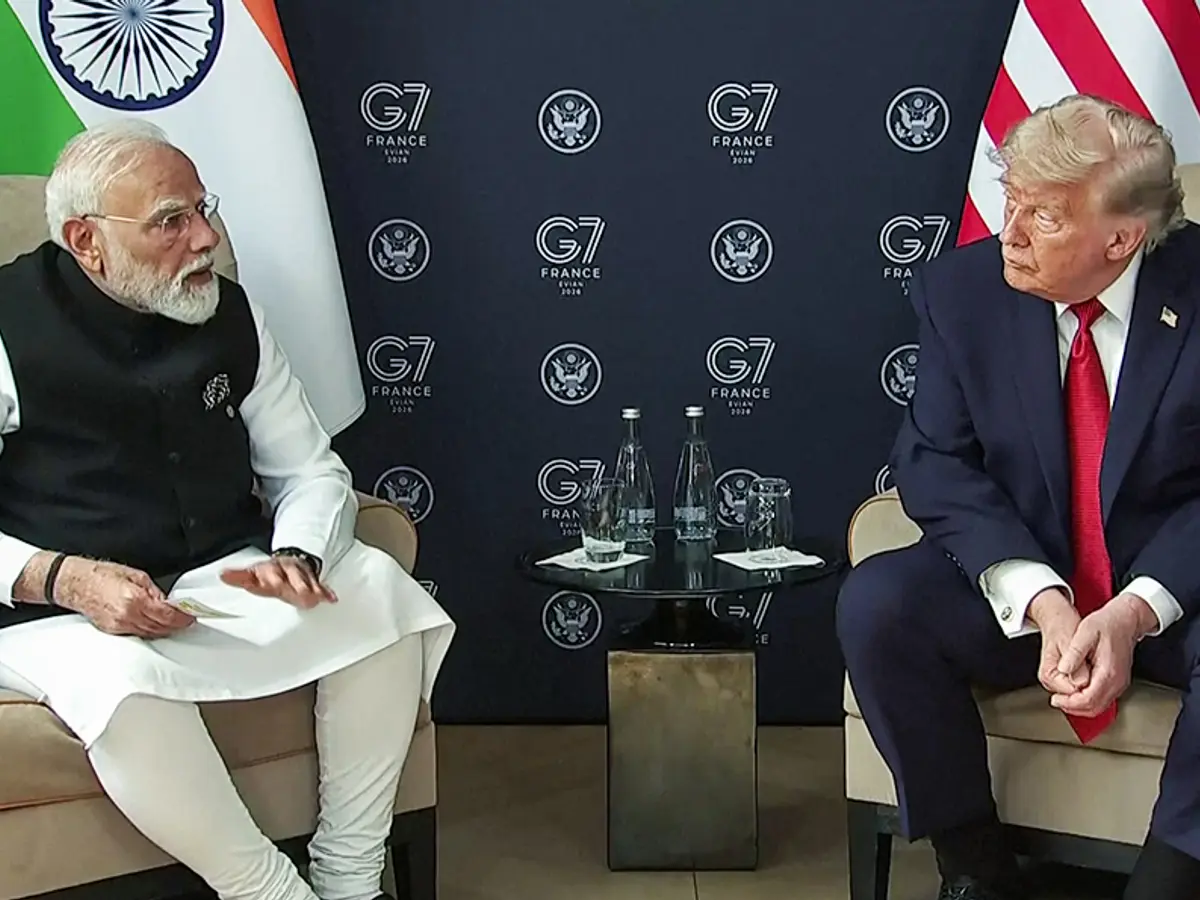
House Passes Russia Sanctions Bill, India Faces Tariff Risk

Europe Faces Renewed Winter Gas Price Shock Risk

Russia Uses Repurposed Training Missiles in Intensifying Ukraine Air Campaign

North Korea Sends Women to Russian Factories Amid Ukrainian Fire