1 hr ago
US Congress Passes Broad Russia Sanctions Bill After Delay
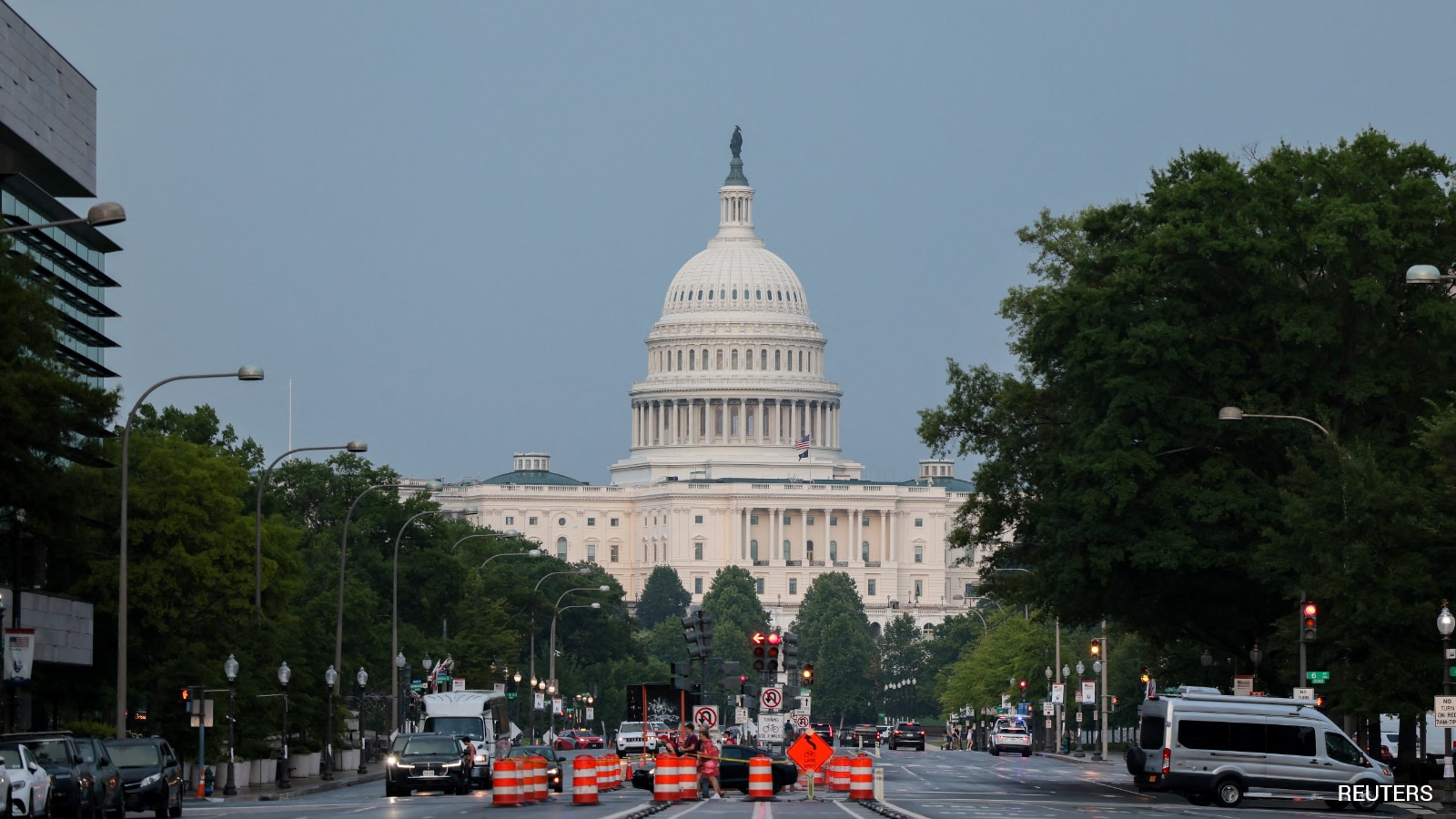
Congress passed a bill meant to put more economic pressure on Russia.
The bill targets Russia’s energy and defense industries, important officials, and ships used to avoid sanctions.
It also lets President Donald Trump place very high tariffs on countries that buy Russian oil and gas.
China and India could potentially be affected.
The Senate passed the bill last month, and the House passed it on Wednesday.
Trump has said he will sign it.
Many lawmakers support helping Ukraine, but some Democrats worry the bill gives Trump too much control over tariffs.
Some Republicans also opposed the measure because they object to sanctions or foreign intervention.

The Republican-led House passed the Russia sanctions package 262-159 on Wednesday.
The Senate approved the measure 86-11 last month, sending it to President Donald Trump.
Trump has said he will sign sanctions targeting Russia’s energy and defense sectors, officials, and tanker fleet.
The bill allows tariffs of up to 100 percent on major buyers of Russian oil and gas, potentially including China and India.
Supporters say the measure could pressure Moscow, while critics oppose giving Trump broad tariff authority.
- Who
- The United States Congress, President Donald Trump, Russia, Ukraine, and countries buying Russian energy.
- What
- Congress approved a broad sanctions package targeting Russia and authorized possible tariffs of up to 100 percent on major buyers of Russian oil and gas.
- Where
- The votes took place in the United States Congress in Washington.
- When
- The House passed the bill on Wednesday; the Senate approved it 86-11 last month.
- Why
- Supporters say stronger economic pressure is needed to reduce revenue for Russia’s war and push Moscow toward negotiations.
Supporters of tougher Russia pressure
Critics of expanded tariff authority
Economic pressure on Russia
Supporters of tougher Russia pressure
Supporters say tougher sanctions are needed to cut revenue financing Moscow’s war and encourage negotiations.
Critics of expanded tariff authority
Critics do not necessarily oppose pressure on Russia but argue the legislation is flawed and may not require the administration to impose new sanctions.
Presidential tariff powers
Supporters of tougher Russia pressure
Supporters accepted authority allowing the president to impose tariffs of up to 100 percent on major buyers of Russian energy.
Critics of expanded tariff authority
Democratic critics, including Gregory Meeks, said the provisions give President Trump excessive authority to impose import taxes on Americans.
Congressional control over foreign policy
Supporters of tougher Russia pressure
Proponents argue Congress should act because Russia’s invasion is continuing and a peace settlement is not in sight.
Critics of expanded tariff authority
Some Republicans opposed the bill on free-market or non-interventionist grounds, while Trump had preferred retaining control over sanctions and tariffs.
Key facts
- House vote
- 262-159
- Senate vote
- 86-11
- Potential tariff level
- Up to 100 percent
- Targets
- Russia’s energy and defense sectors, senior officials, shadow-fleet tankers, and foreign actors supporting its military
- Presidential position
- Donald Trump has said he will sign the bill
- Potentially affected energy buyers
- China and India, among other major buyers of Russian oil and gas
- Ukraine’s position
- President Volodymyr Zelensky urged Congress to approve greater pressure on Moscow
Quotes

Volodymyr Zelensky
President of Ukraine
“White House lawyers drafted the current text to maximize President Trump's authority to impose new import taxes on the American people, and to minimize any obligation to actually impose new sanctions on Russia or its enablers.”
 NDTV
NDTV
“So now Putin is losing 30,000 his soldiers per month... it's many losses, but he doesn't want to stop this war.”
NDTV
Svitlana Romanko
Executive director of Ukrainian energy lobby group Razom We Stand
“Once the bill is quickly signed and becomes law, we hope for strong US enforcement to finally end the cash flows to the Kremlin's war chest”
NDTV
Sources
Related news

House Passes Russia Sanctions Bill Giving Trump New Tariff Powers

House Set to Pass Russia Sanctions Bill Backed by Graham
US House to Consider Russia Sanctions Bill Next Week
US House Passes Russia Sanctions Bill With India Tariff Risk
Ukraine lobbies House for Russia sanctions bill amid opposition

US House Finishes Debate on Russia Sanctions and Tariffs
Trump Threatens EU Trade Over Proposed Canada Association Plan

Russian General Anton Grunis Killed in Ukrainian Drone Strike