1 week ago
Thane Announces Ganeshotsav DJ Ban and Select Midnight Loudspeaker Use
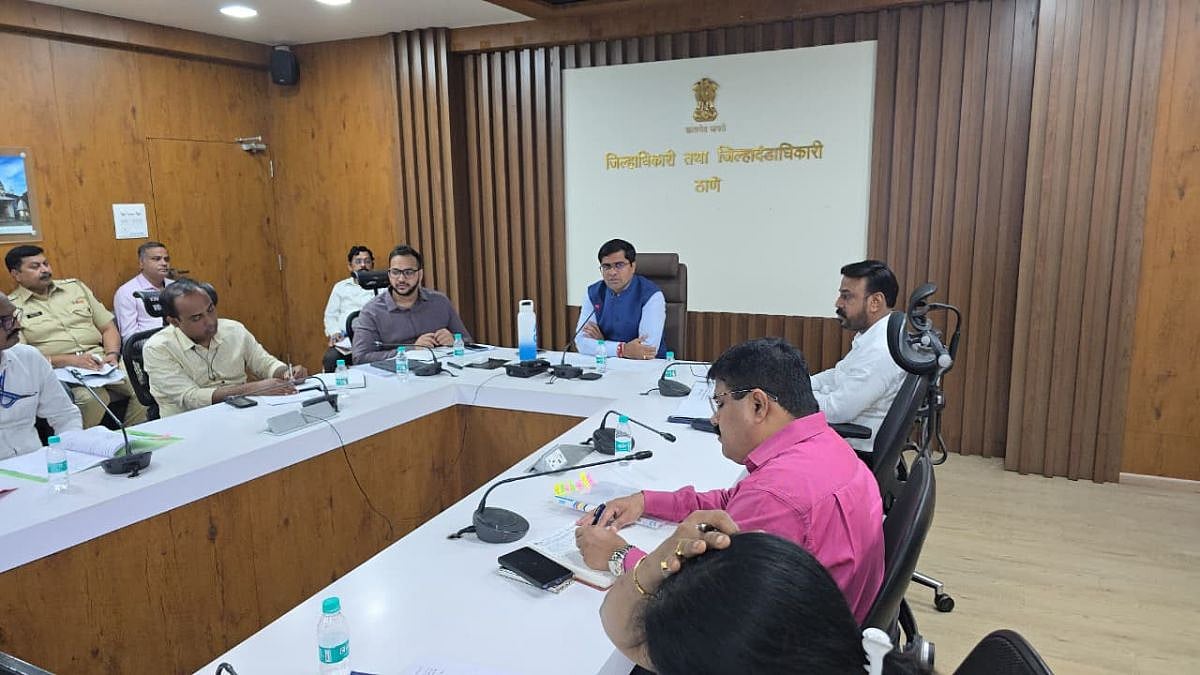
Thane officials are preparing for the 2026 Ganeshotsav festival.
They want celebrations to be joyful but also safe and peaceful.
DJ systems will not be allowed.
Loudspeakers can be used until midnight on four specific days.
On other days, they must be turned off by 10 pm.
Officials will manage traffic, electricity, health centres, and crowded procession routes.
People are being encouraged to use environmentally friendly clay idols.
Idols smaller than six feet must be immersed in artificial ponds or residential society facilities.

Thane District Collector Dr Shrikrishna Panchal banned DJ systems during Ganeshotsav 2026.
Loudspeakers may operate until midnight on September 15, 18, 19, and 25.
The usual 10 pm loudspeaker cutoff will apply on all other days.
Authorities ordered traffic, power, health, and procession-route preparations across Thane.
Residents were urged to use Shadu clay idols, with smaller idols immersed in artificial ponds or society facilities.
- Who
- Thane District Collector Dr Shrikrishna Panchal, government departments, social organisations, Ganesh mandals, and local residents.
- What
- The administration announced noise, traffic, safety, power, health, and environmental guidelines for Ganeshotsav 2026.
- Where
- Thane district.
- When
- The guidelines were announced on September 10, 2026; midnight loudspeaker permission applies on September 15, 18, 19, and 25.
- Why
- To support peaceful, safe, environmentally responsible, and well-managed festival celebrations.
Key facts
- DJ policy
- DJ systems are banned during the festival.
- Midnight loudspeaker dates
- September 15, 18, 19, and 25.
- Standard loudspeaker cutoff
- 10 pm on all days not covered by the midnight permission.
- Silence zones
- Hospitals, schools, and colleges.
- Preferred idol material
- Eco-friendly Shadu clay.
- Immersion requirement
- Idols under six feet must be immersed in artificial ponds or residential society setups.
- Festival support
- Temporary health centres, traffic deployments, route repairs, and power-supply arrangements are planned.
Sources
Related news

Pune Police Ban Plasma, Pressure Mid Systems Ahead Of Ganeshotsav
Mumbai Ganpati Mandals Prepare Amid Debate Over DJs
Mumbai Ganpati Mandals Get Midnight Loudspeaker Permission On Four Days

Latur Police Launch No DJ, No Dolby Ganpati Initiative

Murlidhar Mohol Backs Traditional Sounds, Limits Ganeshotsav Noise
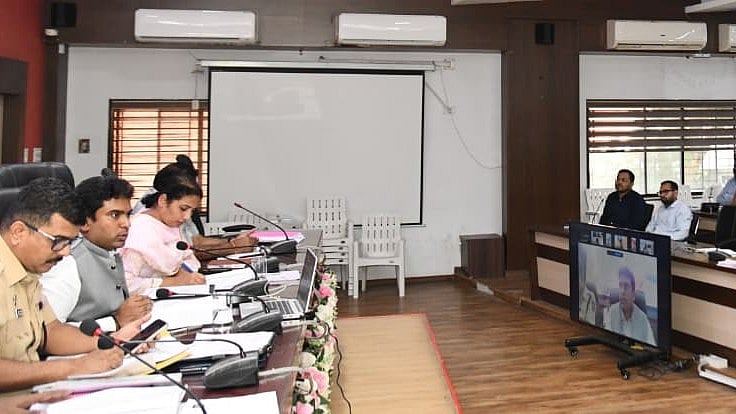
Chhatrapati Sambhajinagar District Plans DJ-Free, Safe, Eco-Friendly Ganeshotsav
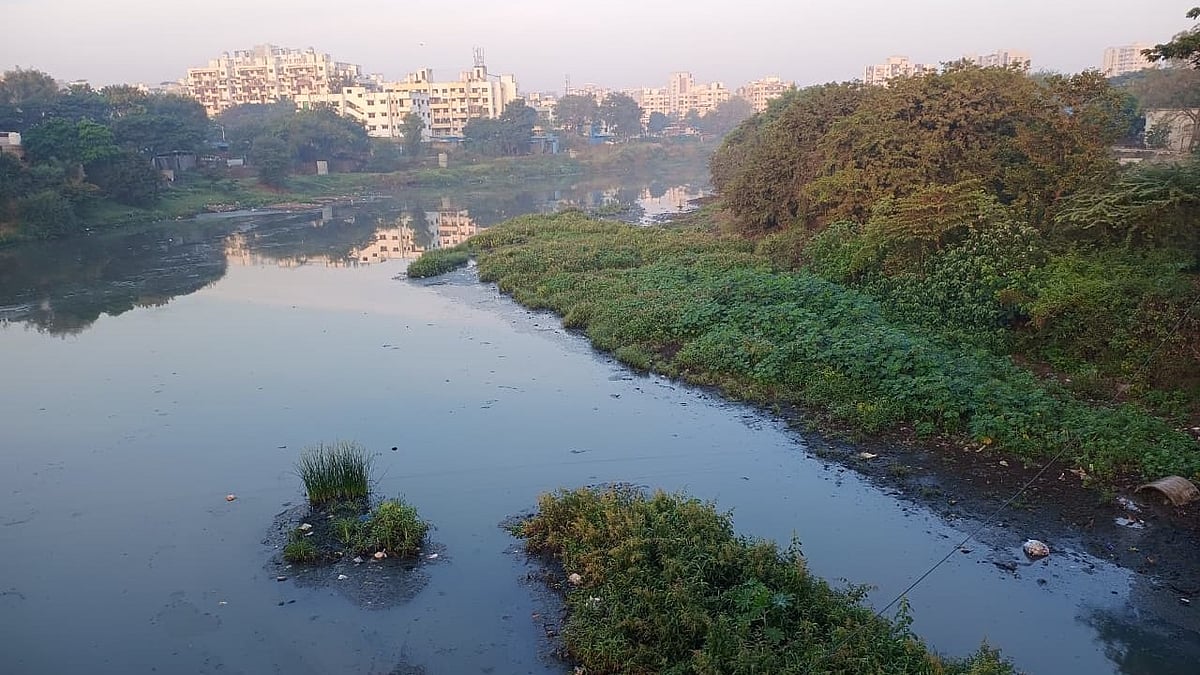
MPCB Proposes ₹2.56 Crore Compensation Over Pavana River Pollution

MPCB Chairman Urges Eco-Friendly Ganeshotsav Amid Noise and Pollution Concerns
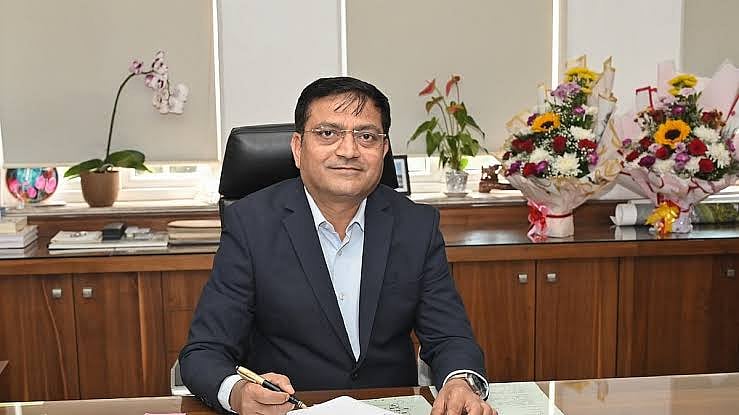
BMC Expands Artificial Lakes For Greener Ganeshotsav In Mumbai
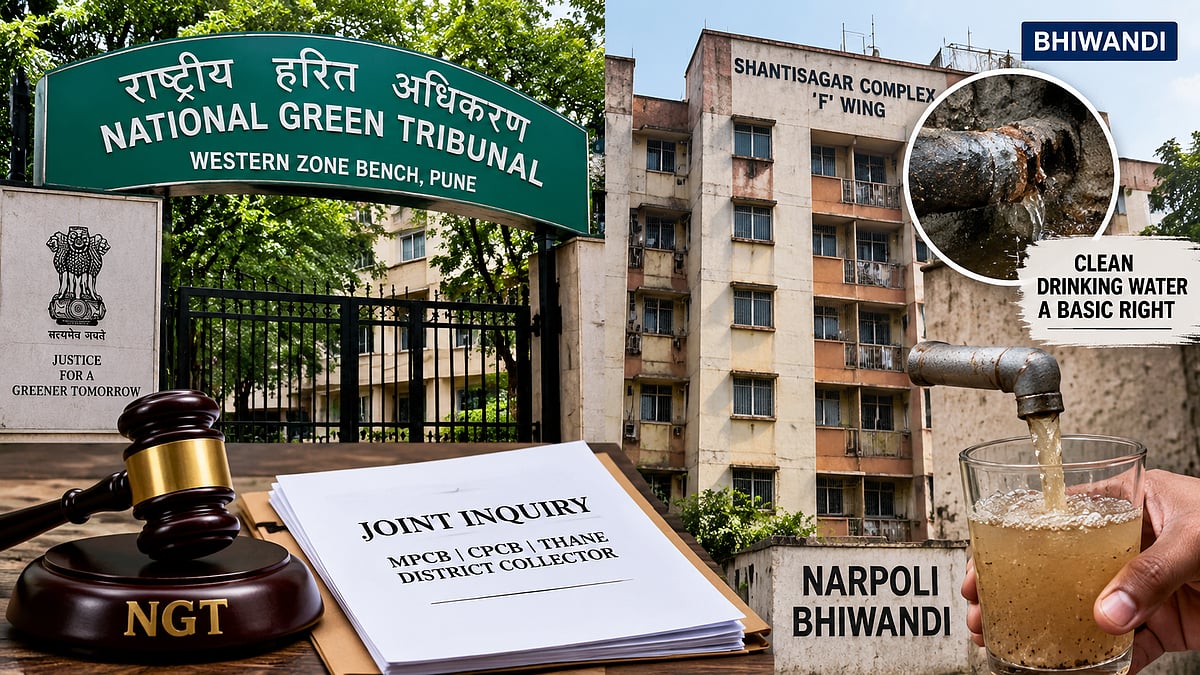
NGT Orders Probe Into Alleged Contaminated Water At Bhiwandi Society