3 weeks ago
US Senate passes sweeping Russia sanctions package targeting energy revenues

The United States Senate is a group of lawmakers who help make rules for the country.
They just passed a big new set of rules, called sanctions, against Russia.
Sanctions are a way to pressure a country by making trade difficult or cutting off money.
Russia is at war with Ukraine, and the United States wants to help Ukraine.
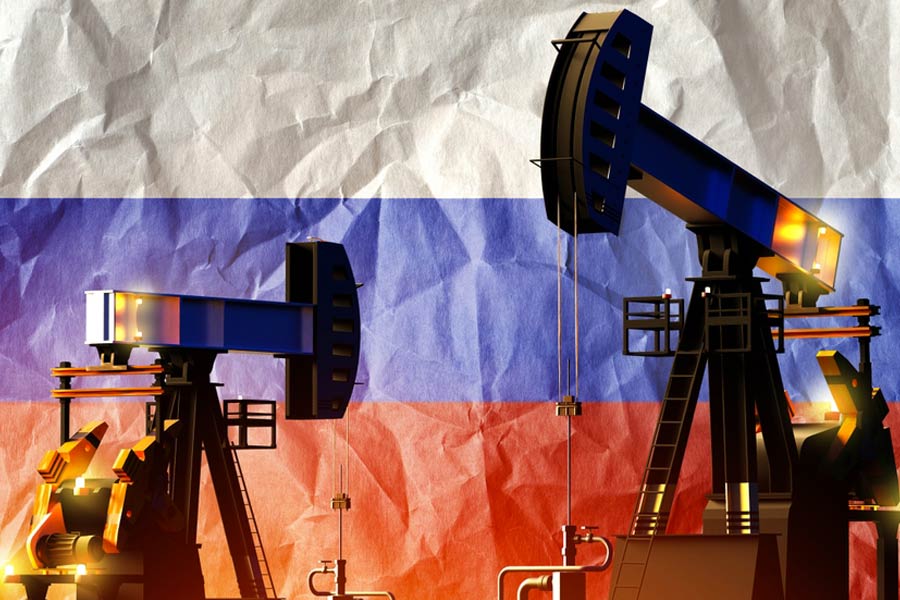
These new rules take aim at the money Russia earns from selling oil and gas.
The rules would let the president add extra taxes, called tariffs, on countries that buy the most Russian oil and gas, like China and India.
Countries that buy less Russian gas and are working to buy less could be excused.
The rules would also punish Russia's leaders, banks, and oil projects.
Some lawmakers worried the new tariff powers could make things more expensive for American shoppers.
Next, the House of Representatives will review the plan, but a vote likely won't happen until September.

The US Senate passed a sweeping Russia sanctions package by a vote of 86-11 on Friday, and the bill now heads to the House of Representatives, where a vote is unlikely before early September due to summer recess.
The package targets Russia's energy revenues and would allow the president to impose tariffs on the world's five biggest purchasers of Russian oil and natural gas, including China and India.
Exemptions would be available for countries that import less than 15% of their natural gas from Russia and are taking steps to reduce those imports.
The legislation proposes sanctions on Russian President Vladimir Putin, senior political and military officials, financial institutions and energy projects, and would expand sanctions to older, reflagged oil tankers used to evade restrictions.
Critics including Senators Rand Paul and Ron Wyden opposed provisions giving President Donald Trump new tariff powers, arguing they could raise costs for American consumers and contribute to inflation.
- Who
- The US Senate, bill sponsors Senator Lindsey Graham and Senator Richard Blumenthal, President Donald Trump, Russian President Vladimir Putin, and Ukrainian President Volodymyr Zelenskyy, who met senators at the Capitol last week.
- What
- Passed a sweeping sanctions package targeting Russia's energy revenues, including tariff authority on major purchasers of Russian oil and gas and sanctions on Putin, senior officials, financial institutions and energy projects.
- Where
- The US Senate at the Capitol; the legislation now moves to the House of Representatives for consideration.
- When
- Passed on Friday by a vote of 86-11; a House vote is unlikely before early September due to the congressional summer recess.
- Why
- To increase economic pressure on Moscow amid the war with Ukraine and to send a message that Ukraine is not alone and Putin will not be allowed to conquer the country.
Supporters of the package
Critics of new tariff powers
Presidential tariff authority
Supporters of the package
Supporters say the package pressures Moscow by allowing the president to tariff the biggest buyers of Russian oil and gas and sends a message that Ukraine is not alone and Putin will not be allowed to conquer the country.
Critics of new tariff powers
Critics including Senator Rand Paul and Senator Ron Wyden argue the new tariff powers could increase costs for American consumers and contribute to inflation.
Key facts
- Senate vote
- 86-11
- Next step
- House of Representatives; vote unlikely before early September due to summer recess
- Tariff targets
- World's five biggest purchasers of Russian oil and natural gas, including China and India
- Exemption rule
- Countries importing less than 15% of their natural gas from Russia and taking steps to reduce those imports
- Sanctions targets
- Vladimir Putin, senior political and military officials, financial institutions and energy projects
- Tanker measure
- Expanded sanctions covering older, reflagged oil tankers used to evade restrictions
- Bill sponsors
- Senator Lindsey Graham and Senator Richard Blumenthal
- Presidential waiver
- President may waive sanctions if the White House certifies to Congress that doing so is in the national interest
Quotes

Senator Richard Blumenthal
U.S. Senator from Connecticut, Democrat
“"The legislation sent a message that Ukraine was not alone and that Putin would not be allowed to conquer the country."”
 firstpost.com
Sources
Related news

US Senate passes Russia bill threatening 100% tariffs on India
Senate Passes Bill Penalising Countries Buying Russian Oil, Gas

Blumenthal Hopes Russian Sanctions ‘Sledgehammer’ Passes House Next Month
Ukraine lobbies House for Russia sanctions bill amid opposition
US Senate Sanctions Bill Threatens India's Russian Oil Lifeline

Russia Sanctions Bill Roadblocks Delay US Tariffs on India, China
Modi-Xi Signals May Help Reset India-China Ties
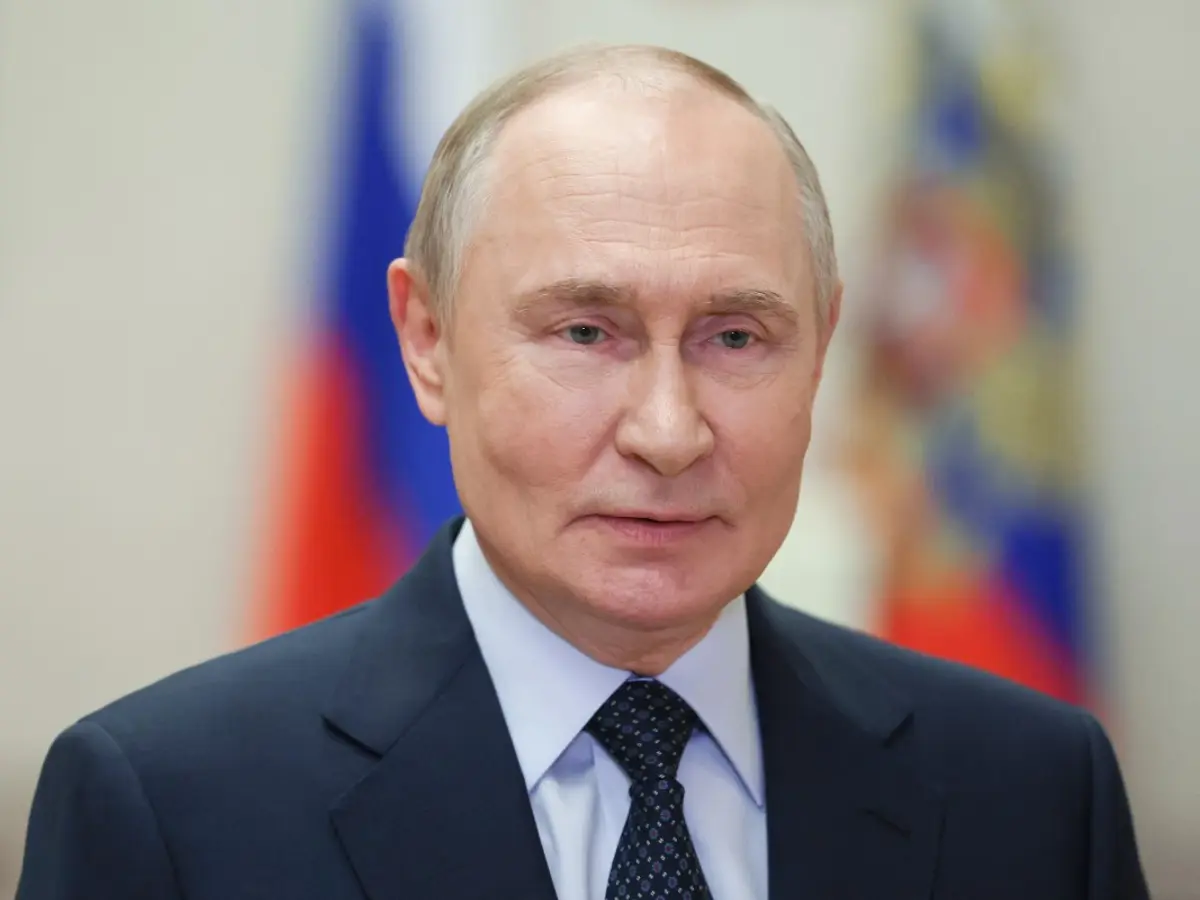
Putin Faces Western Isolation While Russia Builds Non-Western Ties
Russian strikes hit Kyiv for seventh consecutive day
Russia Vows to Limit Airspace Disruption After Ukraine Warning

Germany Blames Russia for Leipzig Drone Attack, Europe Vows Response