46 mins ago
India’s Top Nature Photography Destinations Span Mountains, Forests and Wetlands
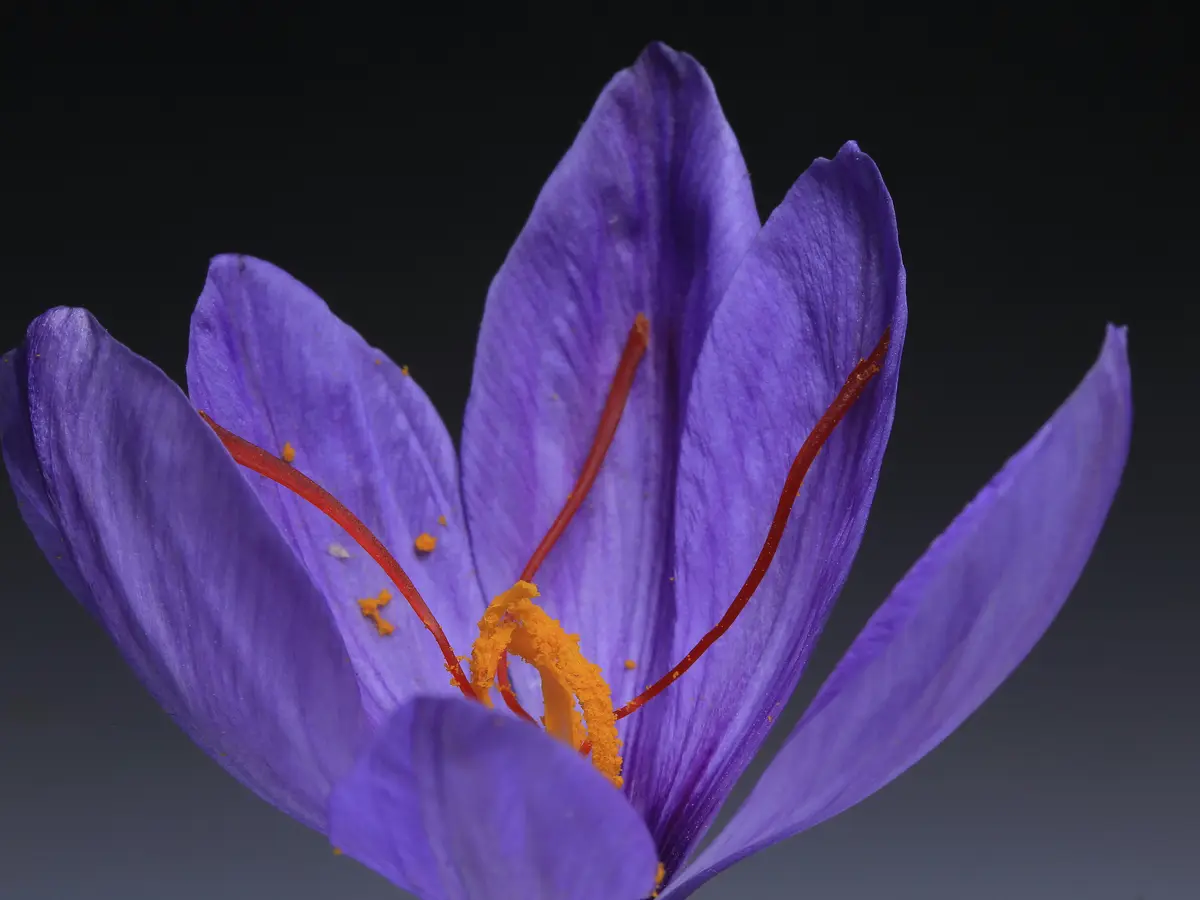
India has many places where photographers can take pictures of nature.
The Valley of Flowers has colorful alpine plants and snowy mountain views.
Munnar has green tea hills and misty mornings.
Spiti Valley has dark, clear skies for photographing stars.
Kaziranga is known for rhinoceroses and other wildlife.
Meghalaya has forests, waterfalls and bridges made from living tree roots.
Each place looks different because India has many kinds of landscapes.
The best time to visit depends on what a photographer wants to capture.
Flowers, fog, wildlife and waterfalls each have their own ideal seasons.

The Valley of Flowers in Uttarakhand offers alpine meadows, rare flowers and Himalayan views from July to September.
Munnar’s tea plantations and misty hills provide landscape opportunities, while nearby Eravikulam National Park is home to about 841 Nilgiri Tahr.
Spiti Valley’s high-altitude desert and low light pollution make it suitable for Milky Way and star-trail photography.
Kaziranga National Park contains about 2,613 greater one-horned rhinoceroses, along with tigers, wild water buffalo and diverse birdlife.
Meghalaya features tropical forests, living root bridges and waterfalls that are especially suited to long-exposure photography after the monsoon.
- Who
- Nature and wildlife photographers are the intended visitors.
- What
- Five Indian destinations are highlighted for landscape, wildlife, flora and astrophotography.
- Where
- The locations are in Uttarakhand, Kerala, Himachal Pradesh, Assam and Meghalaya.
- When
- Recommended timing varies: July to September for the Valley of Flowers, early mornings in Munnar, winter mornings in Kaziranga and post-monsoon in Meghalaya.
- Why
- They offer varied subjects including alpine flowers, tea estates, stars, wildlife, forests, waterfalls and living root bridges.
Key facts
- Valley of Flowers altitude
- Above 3,600 metres
- Valley of Flowers plant species
- More than 500 flowering plant species
- Munnar altitude
- Around 1,600 metres
- Nilgiri Tahr population
- About 841 recorded in Eravikulam National Park
- Spiti Valley elevation
- Approximately 3,000 to 4,500 metres
- Kaziranga rhinoceros count
- Approximately 2,613 greater one-horned rhinoceroses
- Kaziranga global share
- About 70 per cent of the global greater one-horned rhinoceros population
Sources
Related news
Munnar and India’s Top Neelakurinji Flower Destinations

Five Indian Destinations Offering Some of India's Best Sunset Views
Ten Indian Camping Destinations Span Mountains, Deserts, Forests and Islands
World Photography Day Highlights Five Picture-Perfect Travel Destinations

Male Tiger Camera-Trapped in Assam’s Dihing Patkai National Park

Kaas Plateau May Reopen September 1 With Visitor Guidelines

Seven Indian Destinations Showcase Distinct Regional Navratri Traditions

Taste Of Sikkim Expands Himalayan Cuisine In Gurgaon
Shimla Police Rescue Four Trekkers Lost Near Churdhar Peak

Atanu Lahiri Uses Chess to Promote Social Change