1 hr ago
Russia Warns NATO Nuclear Response Over Kaliningrad Isolation
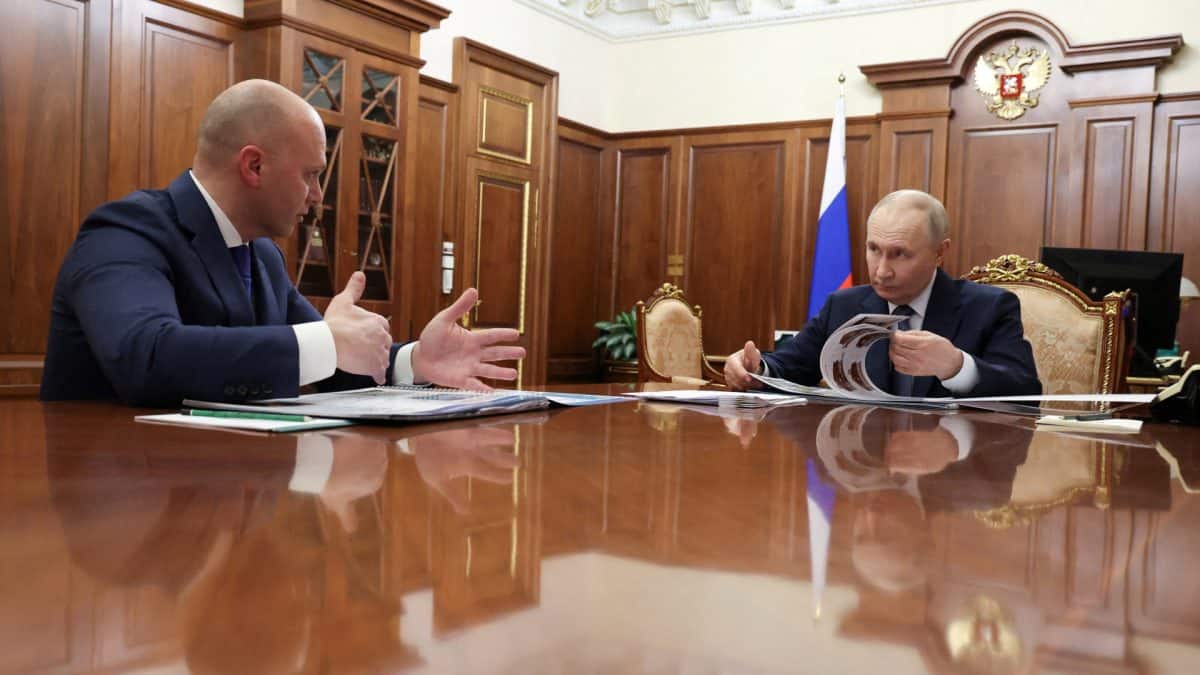
Russia has warned NATO not to cut off Kaliningrad, a Russian territory surrounded by NATO members.
Russia said such an action could lead to a direct war.
It also said it might use all of its military forces, including nuclear weapons.
The warning was sent in an informal diplomatic document called a non-paper.
NATO said its military activities are defensive and do not threaten Russia.
NATO criticized Russia’s nuclear warnings as irresponsible.
A NATO diplomat said the warning was meant to frighten European countries.
NATO also said it would continue supporting Ukraine.

Russia warned NATO that isolating Kaliningrad could trigger direct armed conflict.
A diplomatic non-paper said Russia could use its entire arsenal, including nuclear weapons, to defend the territory.
The document warned of possible Russian strikes against decision-making centers in NATO member states from the conflict’s outset.
NATO condemned what it called irresponsible nuclear rhetoric and said its activities are defensive.
NATO said it would continue supporting Ukraine despite the warning, which a diplomat described as an intimidation attempt.
- Who
- Russia and NATO, with European countries and Ukraine also involved in the wider dispute.
- What
- Russia warned that isolating Kaliningrad could lead to armed conflict and a nuclear response.
- Where
- Kaliningrad, a Russian Baltic Sea territory located between Poland and Lithuania.
- When
- The warning was reported amid heightened tensions; Russian embassies issued related statements over the preceding three days.
- Why
- Russia said it would be defending its territory, while NATO said its activities are defensive and that it would continue supporting Ukraine.
Russia’s Position
NATO’s Position
Kaliningrad’s security
Russia’s Position
Russia said any attempt to isolate Kaliningrad would threaten its territory and could trigger a strong military response, including nuclear weapons.
NATO’s Position
NATO said none of its activities or exercises pose a risk to any part of Russia and described the alliance as defensive.
Meaning of the warning
Russia’s Position
Russia framed the warning as a response to NATO military activity and scenarios involving Kaliningrad.
NATO’s Position
A NATO diplomat described the document as another attempt to intimidate European countries.
Wider security tensions
Russia’s Position
Russia denied posing a military threat to Europe and rejected Western accusations of hybrid warfare and preparations to attack NATO members.
NATO’s Position
NATO condemned Russia’s nuclear rhetoric, called for an end to its war in Ukraine, and said support for Ukraine would continue.
Key facts
- Territory at issue
- Kaliningrad, a heavily militarised Russian territory on the Baltic Sea.
- Geographic position
- Kaliningrad lies between NATO members Poland and Lithuania and is separated from the rest of Russia.
- Diplomatic document
- The warning was issued in a non-paper, an informal document conveying a government position.
- Russia’s warning
- Russia said it could use its entire arsenal, including nuclear weapons, if NATO attempted to isolate Kaliningrad.
- NATO’s response
- NATO said it had responded that the alliance is defensive and denounced the nuclear rhetoric.
- Ukraine support
- NATO said it would not be dissuaded from supporting Ukraine.
Quotes
Russian diplomatic non-paper
An informal diplomatic document conveying the Russian government’s position
“Russia will be ready to use the entire arsenal of forces and capabilities at its disposal, including nuclear weapons, in order to defend its territory should Nato countries undertake any attempt aimed at isolating the Kaliningrad Region from the rest of the country.”
 firstpost.com
“I would say that the Russian letter is only another Russian attempt to intimidate Europeans, and that the response by Nato is firm and responsible. (It) reaffirms that we will not be dissuaded from supporting Ukraine.”
firstpost.com
Allison Hart
NATO spokesperson
“We have sent a response, noting that Nato is a defensive Alliance and none of our activities or exercises pose a risk to any part of Russia. We strongly denounce the threat of force, including any irresponsible nuclear rhetoric. We call on Russia to end its unprovoked war in Ukraine.”
firstpost.com
Sources
Related news
Russia Threatens Nuclear Response Over Hypothetical Kaliningrad War Game
Putin Rejects European Fears of Possible Russian Attack
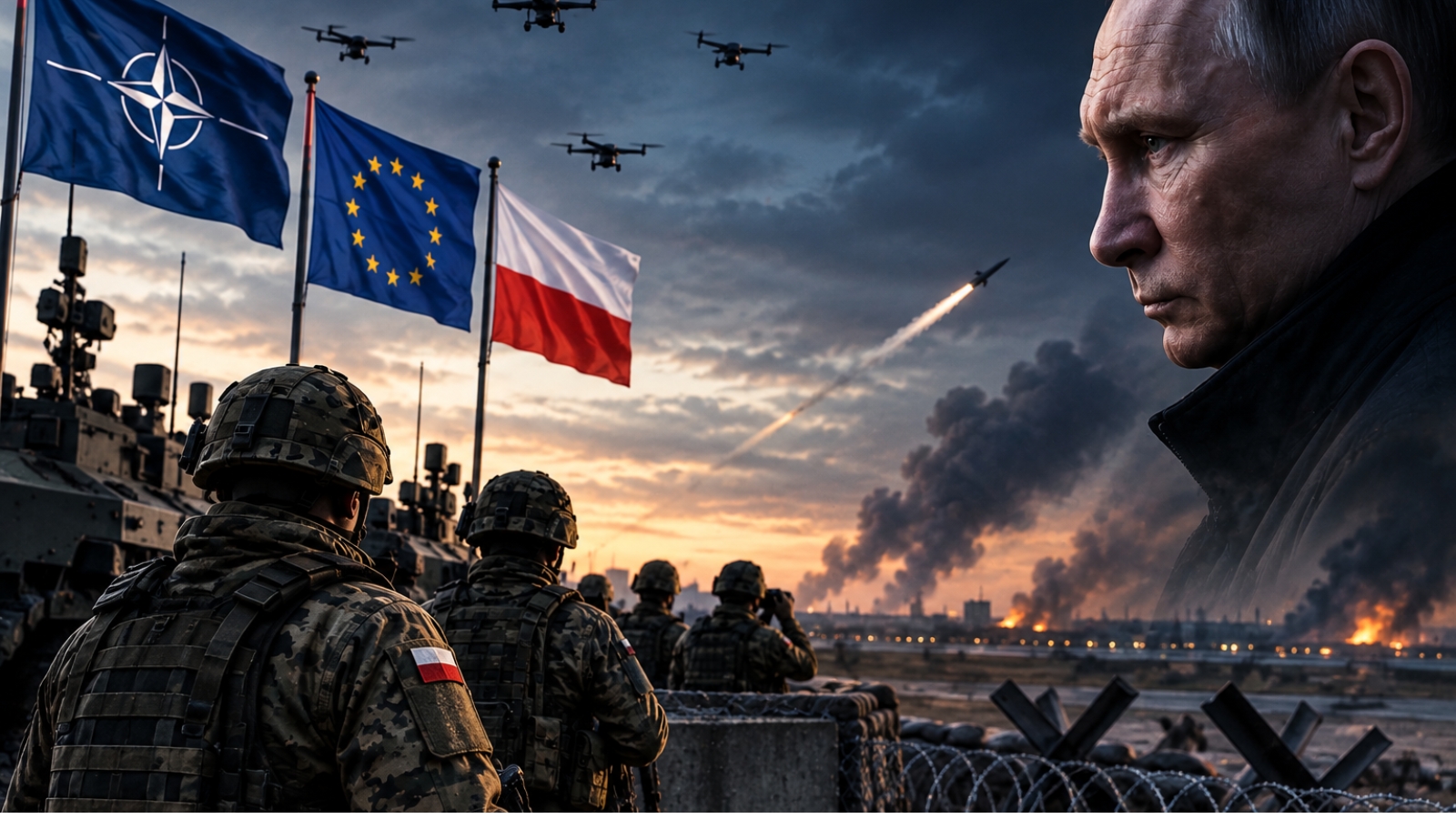
Europe Raises Hybrid Threat Alarm as NATO Rejects Imminent Attack

Putin Warns European Troops in Ukraine Would Mean War
Putin Warns European Troops in Ukraine Would Mean War
Polish PM Warns Russia May Stage ‘Accidental’ Strikes on NATO

Alliance Season 2 Returns Sooner With Host Kunal Kemmu
Ukraine’s 2026 War Costs Reach $155 Billion Amid Funding Gap

Trump-Xi Summit Produces Truce, Talks and Little Agreement