1 hr ago
Balaghat Reports No New Measles Cases Amid Intensified Response

Health officials say Balaghat has had no new reported measles cases for seven days.
The area had seen fever, rashes and deaths in tribal communities.
More villages are now being checked for illness.
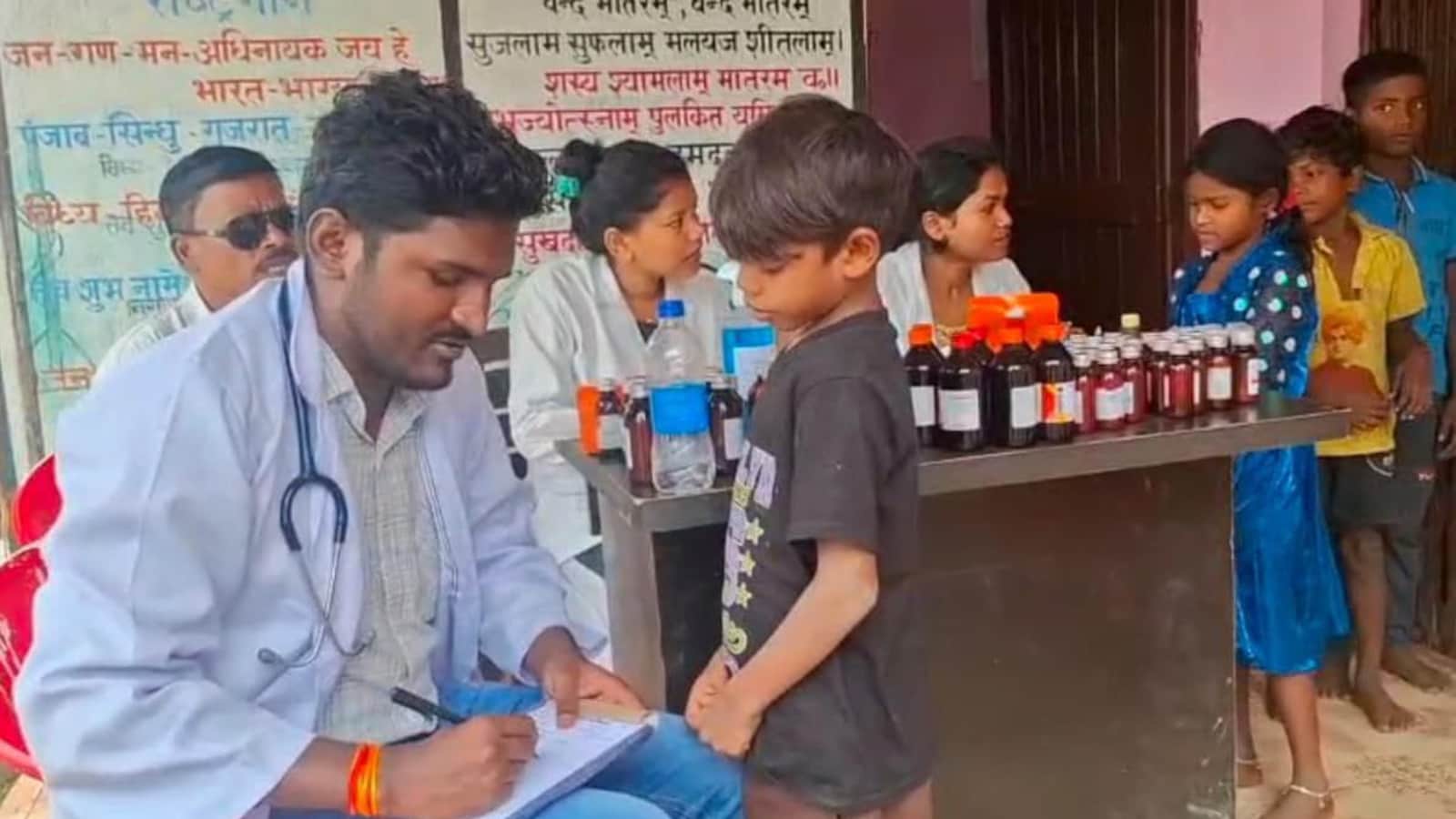
Doctors and health workers are screening people and treating children.
Mobile medical teams are also bringing healthcare to remote areas.
Thousands of people have been examined, and many sick children have received care.
More than 14,000 children received an extra measles-rubella vaccine dose.
Officials are also investigating deaths because measles may not have been the only health problem involved.

No new measles cases were reported in Balaghat during the seven days before September 5, officials said.
The response expanded surveillance from three villages to about 50 and deployed more than 10 doctors and 10 community health officers.
A total of 32,433 people were medically examined, with 431 children admitted to health facilities.
An additional measles-rubella vaccine dose was given to 14,637 children aged one to 10 years.
Officials said reported deaths involved multiple possible conditions and could not be attributed to one pathogen without adequate evidence.
- Who
- The Union health ministry, Madhya Pradesh government, National Joint Outbreak Response Team, Indian Council of Medical Research teams and local health workers are responding.
- What
- Balaghat reported no new measles cases for seven days amid expanded surveillance, vaccination, treatment and preventive measures.
- Where
- The affected areas are tribal and Particularly Vulnerable Tribal Group habitations in Birsa and Baihar blocks of Balaghat district, Madhya Pradesh.
- When
- The cluster emerged in the second week of July; the response was reviewed nationally on August 4, and the National Joint Outbreak Response Team was deployed on August 12. The update was reported on September 5.
- Why
- The measures aim to contain measles and other health risks, investigate reported deaths, and improve early detection, treatment, immunisation and healthcare access.
Key facts
- People medically examined
- 32,433
- Children admitted
- 431; 379 treated and discharged, while 52 remained under treatment and observation
- Additional measles-rubella vaccinations
- 14,637 children aged one to 10 years
- Surveillance coverage
- Expanded from three villages to around 50
- Mobile medical units
- Six units deployed in Birsa and Baihar blocks
- Water and vector-control measures
- More than 600 drinking-water sources purified; insecticide spraying completed in 4,338 households
- Child-health findings
- 7,711 children identified with severe acute malnutrition, 13,406 with diarrhoea and 274 with severe pneumonia
Sources
Related news
Multiple infections kill tribal children in Balaghat, Madhya Pradesh
Madhya Pradesh's Delayed Response to Tribal Measles-Malaria Outbreak

MP Minister Removes Officials After Balaghat Child Deaths

Balaghat Child Deaths: MLA Claims 19, Health Department Says 8

Madhya Pradesh Reports 598 Malaria Cases Through July
Six children dead in Madhya Pradesh village outbreak; cause unknown
Tiger Attacks Woman, Kills Her in Kanha Buffer Village
Tiger Attacks Woman, Drags Her 300 Metres, She Dies