1 hr ago
FSSAI Hing Alert: Homemade Powder Versus Store-Bought Asafoetida
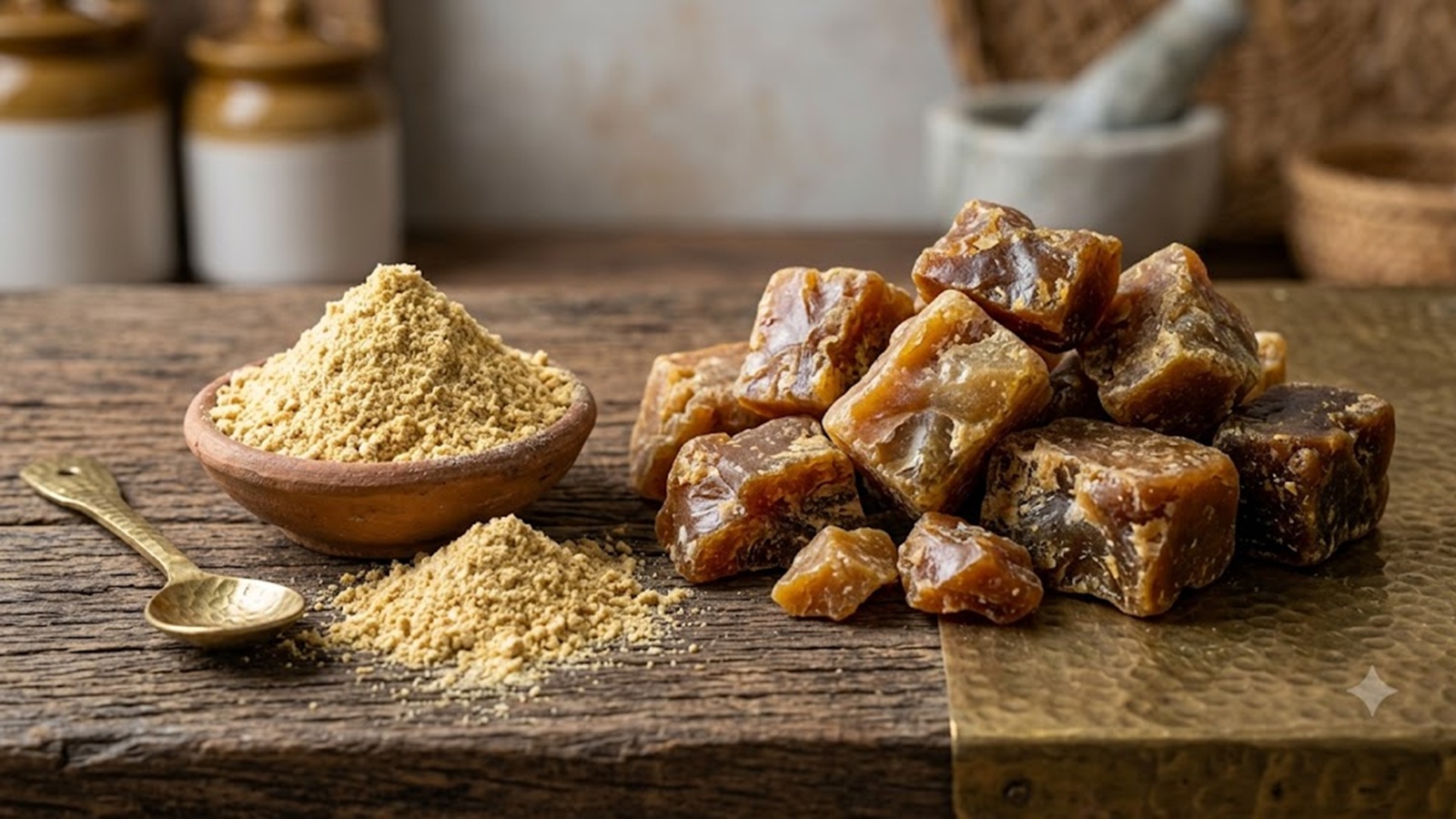
Hing is a very strong-smelling spice used in small amounts in foods such as dal and sabzi.
It comes from a sticky resin collected from the roots of Ferula plants.
Some hing sold in stores is mixed with starch, flour, or gum so it is easier to use.
FSSAI found that some samples had too little asafoetida extract and too much starch.
Chef Uma Raghuraman says people can buy a hing block and make powder at home.
The block should be roasted gently, cooled fully, and then ground.
It should be kept in a clean, dry, airtight container.
People with wheat allergies or celiac disease should check whether the product contains cereal flour.
A trusted, properly labelled commercial product can also be a suitable choice.

FSSAI issued prohibition orders against major brands over substandard and misbranded compounded hing powder.
Some tested samples had alcohol-soluble extract levels of 0 to 4.4%, below the required minimum of 5%.
Raw hing samples reportedly contained 15% to 32% starch, exceeding the permitted limit of 1%.
Chef Uma Raghuraman recommends roasting a hing block, cooling it completely, grinding it, and storing it airtight for up to a year.
Experts say homemade hing can offer stronger flavour, but clearly labelled, compliant commercial products are not automatically inferior.
- Who
- The Food Safety and Standards Authority of India, chef Uma Raghuraman, chefs, and dietitian Garima Goyal are discussed.
- What
- FSSAI reported substandard and misbranded compounded hing samples, while experts explained how to prepare and store hing powder at home.
- Where
- The issue concerns hing products sold in India, while the home preparation is performed in a kitchen.
- When
- FSSAI issued the prohibition orders recently; the homemade powder is described as lasting up to a year when properly stored.
- Why
- The guidance aims to help consumers identify product composition and avoid excessive fillers, overheating, or unsuitable ingredients.
Homemade Hing
Commercial Hing
Purity and control
Homemade Hing
Using a good-quality solid hing block can reduce exposure to additional starch or cereal flour and gives consumers more control over the ingredient.
Commercial Hing
Store-bought hing is not automatically inferior; products from reputable, compliant manufacturers can be suitable when ingredients and composition are clearly labelled.
Flavour and preparation
Homemade Hing
Freshly prepared powder may have a stronger flavour, but it must be roasted gently, cooled completely, and made in small batches to avoid bitterness or stickiness.
Commercial Hing
Commercial hing is already processed for convenient grinding, measuring, storage, and everyday cooking.
Dietary suitability
Homemade Hing
Homemade powder made from a suitable block may help consumers avoid unwanted cereal flour, provided the starting block is appropriate.
Commercial Hing
Consumers with celiac disease or wheat allergy should choose products explicitly labelled wheat-free or gluten-free when appropriate, rather than assuming all commercial powder is pure.
Key facts
- Required extract level
- Compounded hing must have at least 5% alcohol-soluble extract.
- Tested extract levels
- Some samples contained 0% to 4.4% alcohol-soluble extract.
- Permitted starch limit
- Raw hing may contain up to 1% starch.
- Reported starch levels
- Some raw hing samples contained 15% to 32% starch.
- Homemade method
- Dry-roast hing pieces gently, cool them completely, grind them, and store the powder airtight.
- Storage duration
- Chef Uma Raghuraman said the powder can last easily for a year in a clean, dry, odour-free airtight container.
- Dietary caution
- People with celiac disease or wheat allergy should check for wheat or other cereal flour.
Quotes
Uma Raghuraman
Chef and food blogger who shared the homemade hing preparation method
“The better choice is ultimately the one with clear ingredient labelling, good packaging, reliable sourcing and appropriate composition for your dietary needs”
 indianexpress.com
“It is not a mineral or something that comes from a rock, although once it dries, it can look exactly like a little piece of rock”
indianexpress.com
Sources
Related news
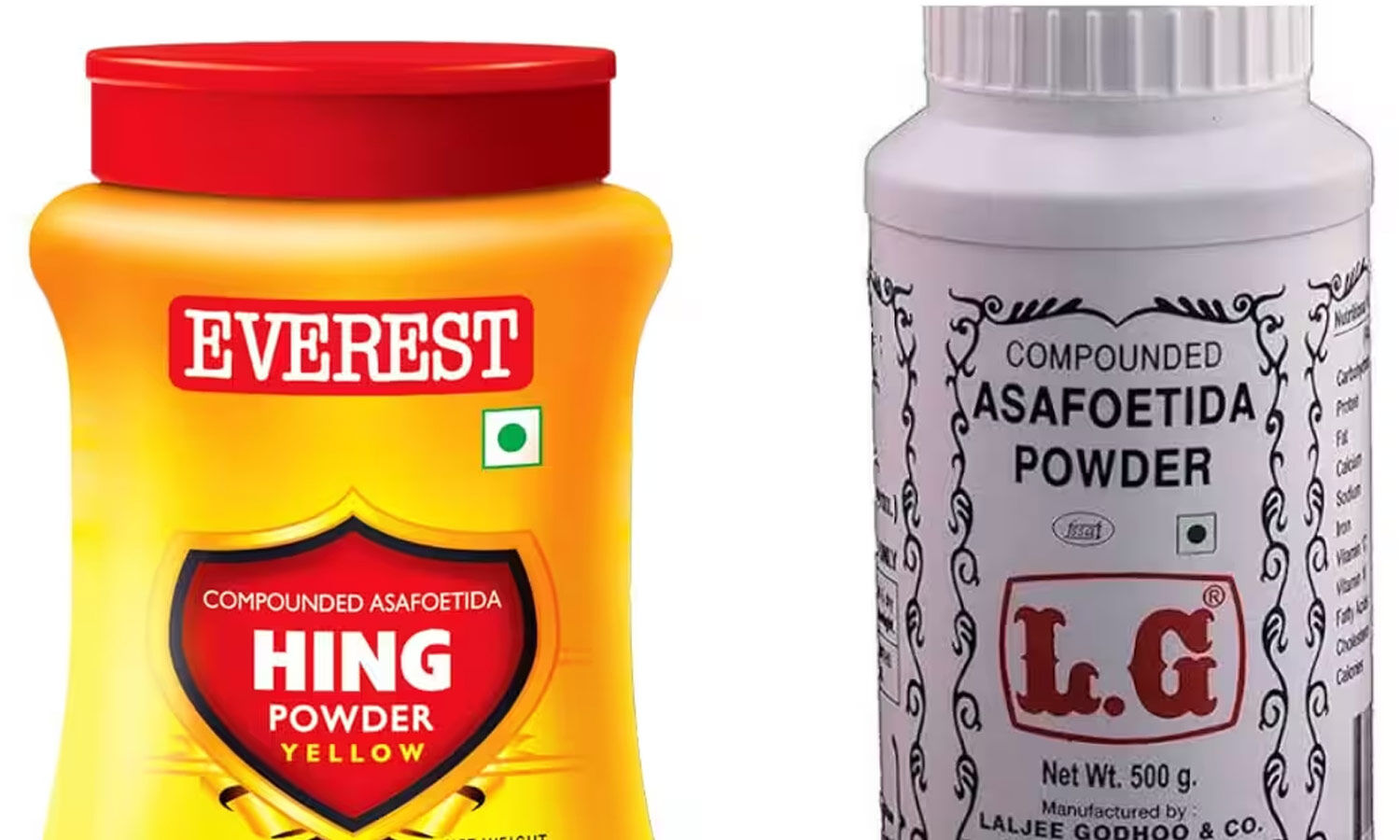
FSSAI Halts Everest, Laljee Godhoo Compounded Hing Sales Over Violations
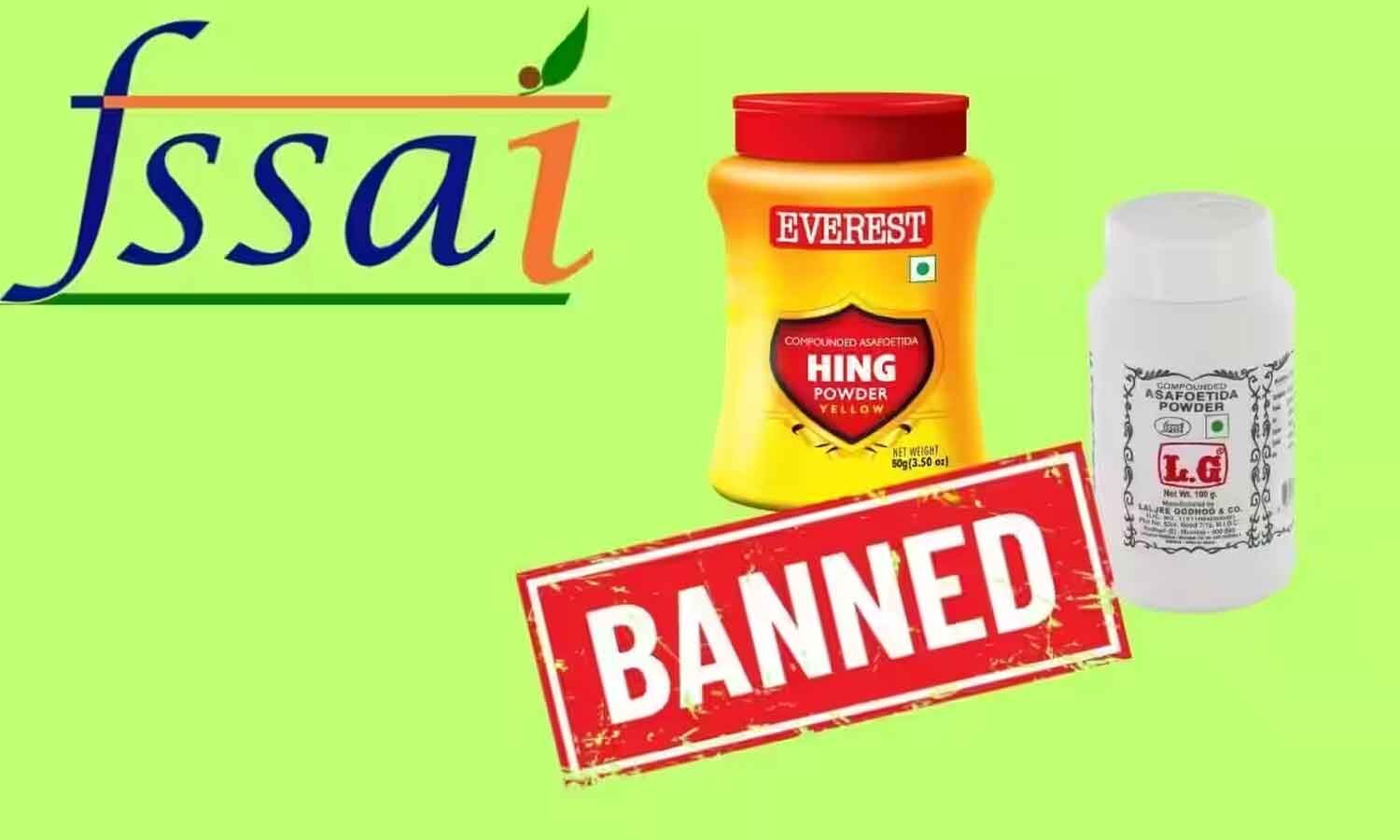
FSSAI Prohibits Everest and Laljee Hing Powder Sales
Delhi High Court Pauses FSSAI Action Against ITC Atta Claims

Delhi HC Pauses FSSAI Licence Action Over Aashirvaad Claims

FSSAI Challenges Old Monk’s Sale as Rum in Bombay HC

Uttar Pradesh Cracks Down on Adulterated Dairy Before Raksha Bandhan

Gold Holding Rules Clarified as 500g 250g and 100g Limits

Uttarakhand Journalists Visit Hyderabad Development and Heritage Sites

India Post Payments Bank Adds Mutual Funds and Insurance Platforms

Jaipur NEET PG Issues Trigger False Question Paper Leak Claims