2 hrs ago
Ayurveda Looks to Indian Pharma for Global Growth
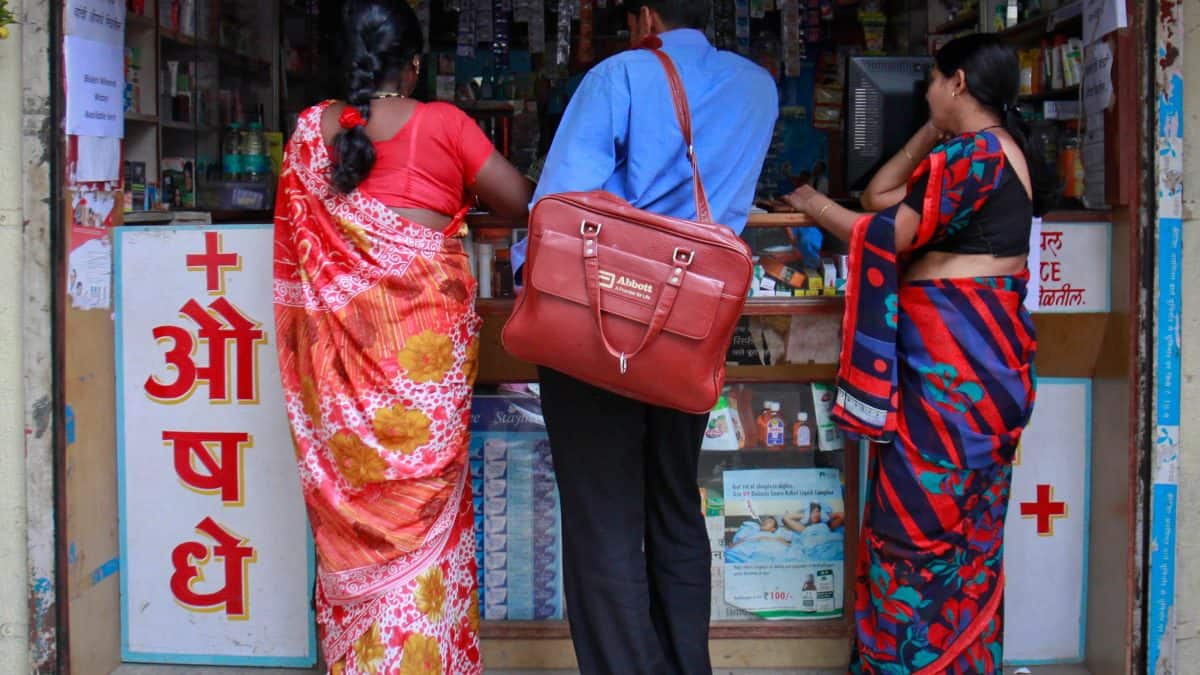
India’s medicine companies grew from a small industry into a major supplier to countries around the world.
The article says they did this by building skills in research, making medicines reliably, checking quality and meeting regulations.
It suggests Ayurveda could learn from that journey.
Ayurveda has a long history, but the authors say history alone may not persuade buyers and regulators.
They argue that research and strong evidence can help build trust.
The article also describes how Cipla offered affordable HIV medicines in 2001.
It discusses a Danish assessment that raised safety concerns about Ashwagandha, and an Indian expert review that challenged parts of that assessment.
The authors say Ayurveda can grow globally by combining traditional knowledge with evidence, innovation and good manufacturing.

India’s pharmaceutical industry supplies medicines to more than 190 countries and accounts for 20 per cent of global generic medicine volume.
Pharmaceutical exports reached approximately $30.5 billion in 2024–25, up from $1.9 billion in 2000–01.
The article argues Ayurveda needs stronger research, quality, manufacturing, regulatory and marketing capabilities to compete globally.
Cipla’s 2001 offer of HIV treatment at $350 per patient per year is presented as an example of Indian generics expanding access.
The article says Indian experts challenged a Danish assessment of Ashwagandha safety and called for conclusions grounded in relevant scientific evidence.
- Who
- The authors, Anu Lall and JB Gupta, discuss Ayurveda and India’s pharmaceutical industry.
- What
- The article argues that Ayurveda can pursue global growth by building capabilities similar to those developed by Indian pharma.
- Where
- The discussion concerns India and global markets, including the United States and Europe.
- When
- The article cites pharmaceutical export figures for 2024–25 and events including Cipla’s 2001 HIV-treatment offer and a 2020 Danish assessment of Ashwagandha.
- Why
- The authors argue that research, evidence, quality systems and regulatory capability are needed to turn traditional knowledge into global trust and scale.
Indian Experts’ View
Danish Assessment’s Concerns
Ashwagandha safety evidence
Indian Experts’ View
Indian experts argued that the assessment relied heavily on preclinical research and did not sufficiently account for traditional use and human clinical research.
Danish Assessment’s Concerns
The Danish Technical University assessment raised concerns about possible liver and thyroid effects, prompting reviews by several European regulators.
Plant parts considered
Indian Experts’ View
The Ministry of Ayush committee argued that the assessment included studies on leaves, stems and berries, while the traditional medicinal use at issue primarily concerns the root.
Danish Assessment’s Concerns
The article reports that the Danish assessment drew on studies involving different parts of the plant, including leaves, stems and berries.
Key facts
- India pharma exports
- Approximately $30.5 billion in 2024–25, compared with $1.9 billion in 2000–01.
- Global generic medicine volume
- India accounts for 20 per cent.
- Countries supplied
- Indian pharmaceutical companies supply medicines to more than 190 countries.
- Cipla HIV-treatment offer
- In 2001, Cipla offered an antiretroviral combination to Médecins Sans Frontières for $350 per patient per year.
- US herbal supplement sales
- Estimated at $13.2 billion in 2024, according to the American Botanical Council market report cited in the article.
- Danish assessment
- A 2020 assessment by Denmark’s Technical University raised concerns about Ashwagandha safety, including possible liver and thyroid effects.
Sources
Related news
Ayurveda’s Next Decade Must Turn Foundations Into Trust

Goyal Urges Pharma Industry to Make India Global Medical Hub

UPSC Key Explains Sulphur, Security, AI And Cultural Appropriation

India’s Spice Industry Turns to Quality to Build Consumer Trust

Nikhil Kamath Urges India to Export Culture Alongside Products

Parampara Ayurved Leader Outlines Vision for India’s Heritage

DR Congo Ebola Outbreak Death Toll Surpasses 4,000

Ebola Infects Doctors Without Borders Worker in Congo Outbreak

Houthi Land Grabs Put Saudi Oil and Markets on Edge

Congo Ebola Outbreak Shows Progress, But Peak Remains Unclear