

13 hrs ago
How Chennai Helped Shape Yale University's Early History
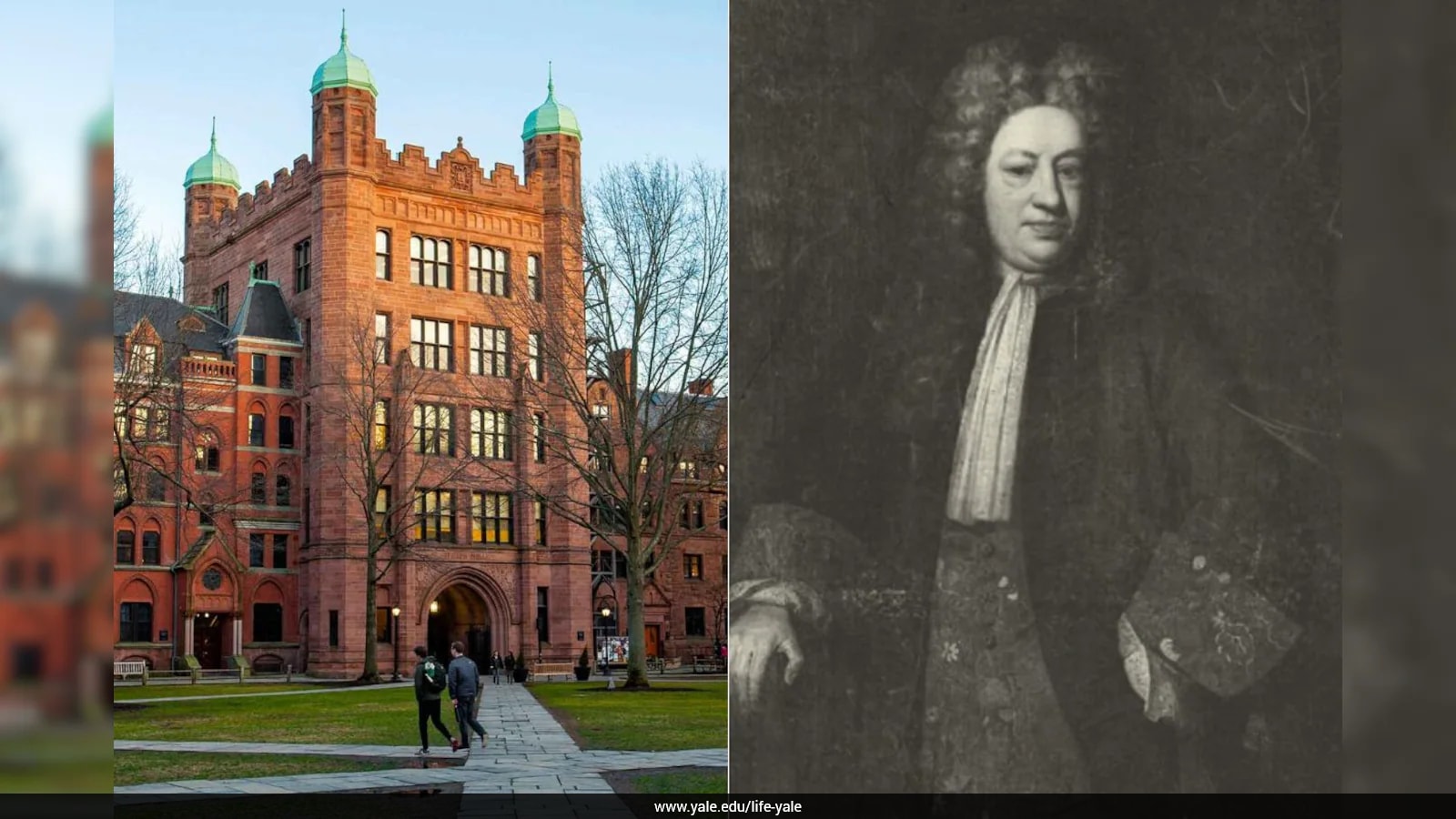
Yale University has a connection to India that began more than 300 years ago.
Elihu Yale worked for the British East India Company in Madras, which is now called Chennai.
He later became governor of Fort St George.
Yale became rich while working in India, although some of his wealth was connected to the trade in enslaved people.
After returning to England, he gave many books and other items to a young school in Connecticut.
Some of the items included Indian textiles that were sold to raise money for the school.
The school used the money to help build its college building.
It was named Yale College in 1718, but Elihu Yale did not found the school because it had already been established in 1701.

Elihu Yale arrived in Madras, now Chennai, in 1672 to work for the British East India Company.
He served as governor of Fort St George from 1687 to 1692 and amassed substantial wealth in India.
Historical research links part of Yale's fortune to the East India Company's trade in enslaved people and other commercial activities.
In 1718, Yale donated books, a portrait, royal arms and goods, including Indian textiles, to the Collegiate School of Connecticut.
The school, founded in 1701 and moved to New Haven in 1716, was renamed Yale College in recognition of his contribution.
- Who
- Elihu Yale, the Collegiate School of Connecticut, and Yale College.
- What
- Yale's wealth and 1718 donation helped shape the early history of the institution later known as Yale University.
- Where
- Madras, now Chennai; Fort St George; New Haven, Connecticut; and Boston, where the donated goods were sold.
- When
- Yale worked in India from 1672 and served as governor from 1687 to 1692; the school was renamed Yale College in 1718.
- Why
- The school's trustees honored Yale and sought further donations, while proceeds from his goods helped fund the college building.
Key facts
- Yale's arrival in India
- Elihu Yale arrived in Madras in 1672 to work for the British East India Company.
- Colonial office
- He served as governor of Fort St George from 1687 to 1692.
- Controversial wealth
- Historical research links part of Yale's fortune to the East India Company's trade in enslaved people and other commercial activities.
- School's founding
- The Collegiate School of Connecticut was established in 1701.
- Move to New Haven
- The school moved permanently to New Haven in 1716.
- Donation
- In 1718, Yale sent 417 books, a portrait of King George I, royal arms and nine bales of goods.
- Sale of goods
- The goods sold in Boston for 562 pounds and 12 shillings, above Yale's estimated value of 300 pounds.
- Indian textiles
- The shipment included Indian textiles, including three bales according to one account.
Sources
Related news

Denmark’s Indian Empire Helped Shape the Story of L&T
How Charnock’s Riverbank Decision Shaped Kolkata’s Modern Identity

Why Ahmedabad Is Known As The Manchester Of India

Tamil Nadu teen earns Rs 3.5-crore Brown University scholarship

Assam Couple Donates Rs 1 Crore Life Savings to University
Sukchar’s Sugar Legacy Endures as Bengal’s Industry Fades
Yale Launches First India Forum in 300 Years

Yale's Inclusive Support Helps Tarini Mohan Earn MBA
