1 hr ago
Trump backs unified Ireland as partition history shapes reunification debate
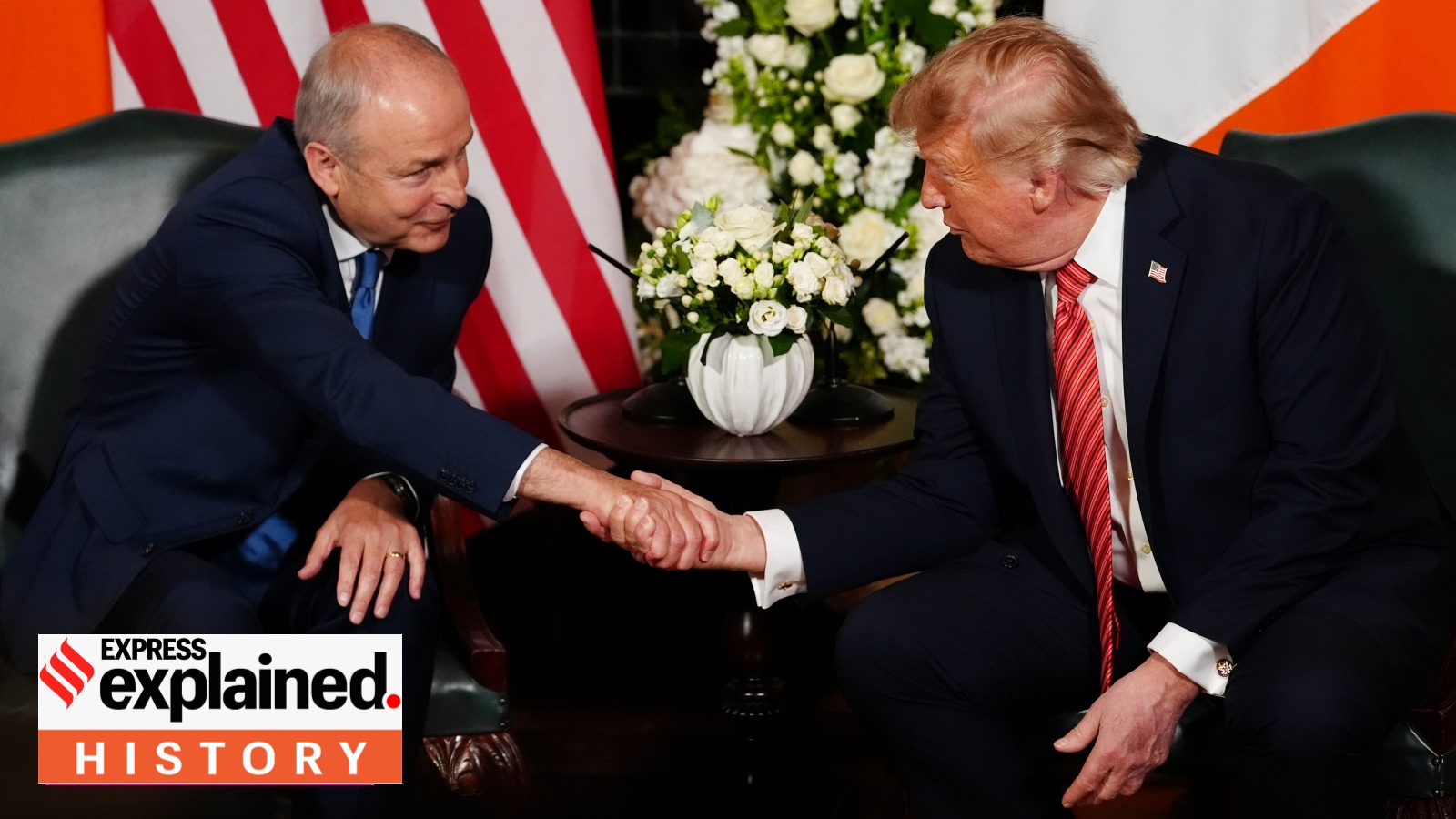
Donald Trump said he would like the island of Ireland to become one country.
Today, the Republic of Ireland is independent, but Northern Ireland is part of the United Kingdom.
Ireland was divided after a long struggle against British rule.
Many Irish nationalists wanted an independent Ireland.
Many unionists, especially Protestants in the north, wanted to stay in the United Kingdom.
Britain formally created Northern Ireland and Southern Ireland in 1920.
A treaty in 1921 helped create the Irish Free State, while Northern Ireland chose not to join it.
Years of violence known as the Troubles ended with the Good Friday Agreement in 1998.
Some people now think reunification is possible, but others oppose it or say a referendum is not currently needed.

Donald Trump said he would like Ireland and Northern Ireland to become unified, arguing it may happen eventually.
Northern Ireland remains part of the United Kingdom, while the Republic of Ireland is an independent state.
Ireland was partitioned under the Government of Ireland Act 1920 into Northern Ireland and Southern Ireland.
The 1921 Anglo-Irish Treaty created the Irish Free State and allowed Northern Ireland to remain outside it.
The Good Friday Agreement ended most violence in 1998, while Brexit and demographic change have renewed debate over reunification.
- Who
- US President Donald Trump, Irish nationalists, Northern Irish unionists, the British government, and political parties in Ireland and Northern Ireland.
- What
- Trump expressed support for a unified Ireland, reviving debate over the island’s partition and possible reunification.
- Where
- In Dublin, concerning the Republic of Ireland and Northern Ireland.
- When
- Trump made the comments on Saturday, September 12; Ireland was partitioned in 1920 and the Anglo-Irish Treaty was signed in December 1921.
- Why
- The comments addressed the unresolved constitutional question of whether Northern Ireland should remain in the United Kingdom or join the Republic of Ireland.
Reunification supporters
Unionists and status-quo advocates
Ireland’s constitutional future
Reunification supporters
Irish nationalists and supporters of reunification favor a single Irish state, and Trump said he would like to see Ireland unified.
Unionists and status-quo advocates
Unionists generally want Northern Ireland to remain part of the United Kingdom because they identify with Britain and historically feared rule by a Catholic majority.
Timing of a referendum
Reunification supporters
Supporters point to changing demographics and the post-Brexit relationship between Northern Ireland and the Republic of Ireland as reasons reunification could be possible.
Unionists and status-quo advocates
UK Prime Minister Andy Burnham said two weeks before Trump’s remarks that a referendum on unification was “off the table.”
How partition should be viewed
Reunification supporters
Nationalists rejected arrangements that stopped short of complete independence and opposed partition.
Unionists and status-quo advocates
Northern unionists accepted the 1920 arrangement and Northern Ireland’s later decision to remain outside the Irish Free State.
Key facts
- Trump’s statement
- He said he would “love” to see Ireland unified and suggested it may happen eventually.
- Political status
- Northern Ireland is part of the United Kingdom; the Republic of Ireland is an independent state.
- Partition date
- The Government of Ireland Act, 1920, divided the island into Northern Ireland and Southern Ireland.
- Territorial division
- Northern Ireland comprised six counties, while Southern Ireland comprised the other 26 of Ireland’s 32 counties.
- Anglo-Irish Treaty
- The December 1921 treaty created the Irish Free State and gave Northern Ireland the right to opt out.
- End of the Troubles
- The Good Friday Agreement was signed on April 10, 1998.
- Reunification factors
- Brexit, demographic change, liberalisation, and secularisation have influenced the debate over reunification.
Quotes

Donald Trump
US president speaking to reporters during a visit to Dublin
“I don’t want to cause any problems, but I will tell you, I’d love to see it unified… The way I look at it, it’s going to happen eventually. It may as well happen now”
 indianexpress.com
Jane Ohlmeyer
Historian of early modern Ireland and empire
“The legislation that partitioned Ireland was the same legislation later used to partition India and Pakistan, and also informed partition elsewhere, including Israel and Palestine.”
indianexpress.com
Sources
Related news
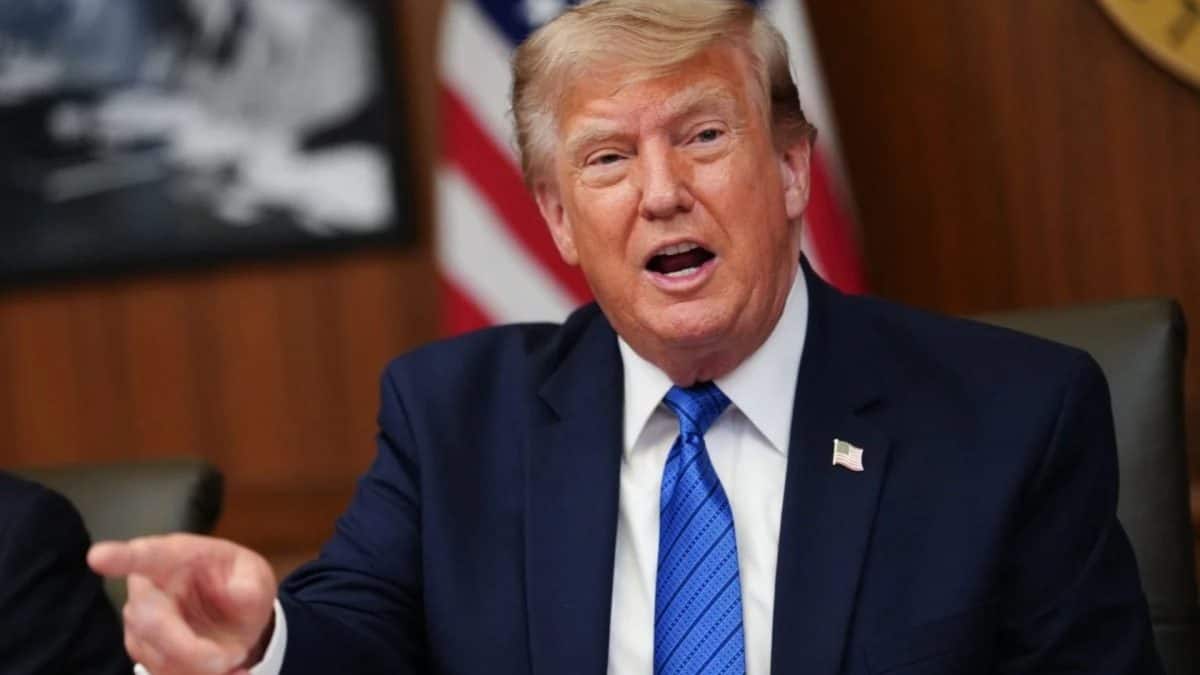
Trump Endorses United Ireland, Then Calls Reunification Uncertain
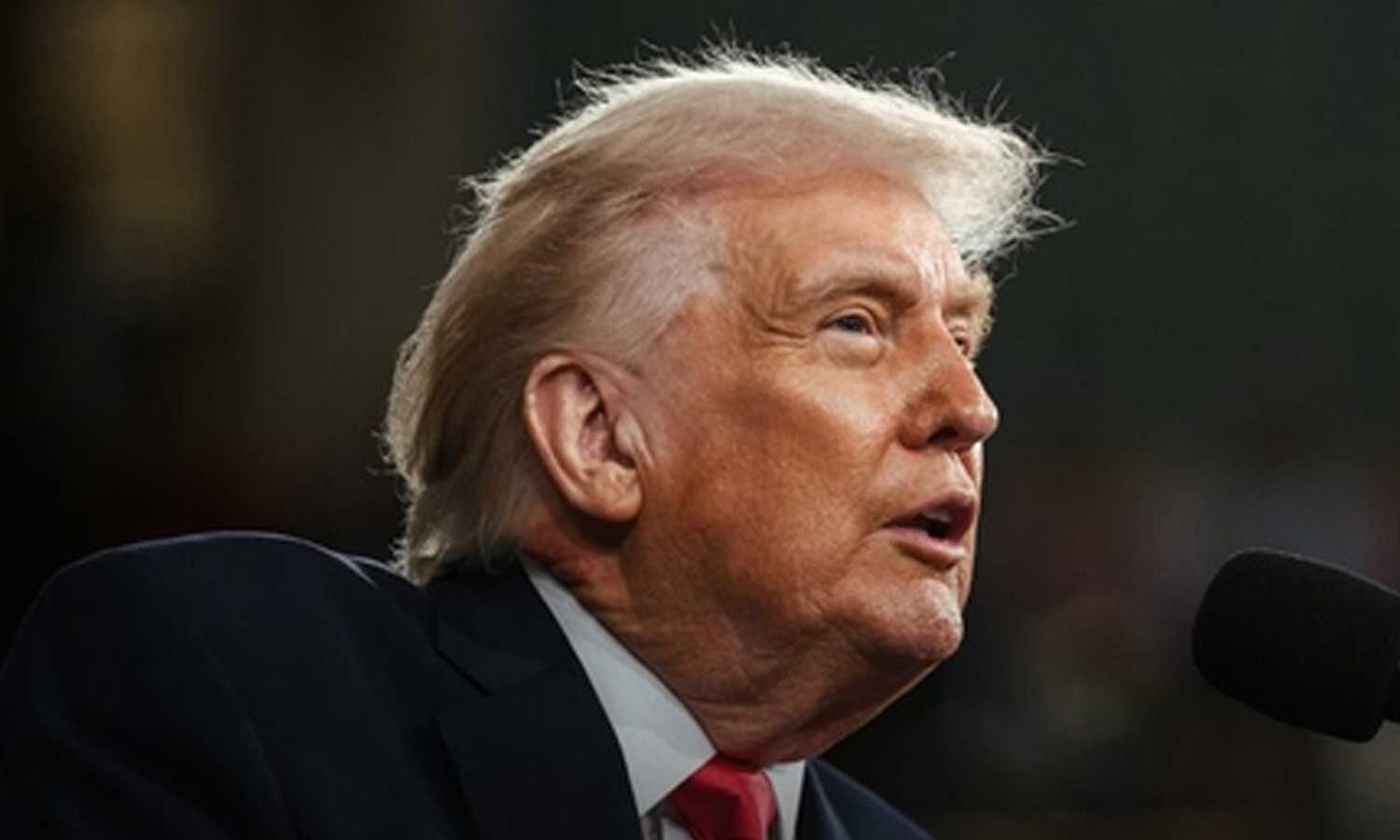
Trump’s Irish Unification Comments Draw Opposition Across Britain

Trump Says He Would Welcome a United Ireland

Ireland Urges Preparation for Potential Northern Ireland Unity Vote

Scotland, Wales and Northern Ireland Leaders Seek Referendum Rights

Trump Announces Removal of US Tariffs on Irish Whiskey

Oil Surge and Fed Hike Test India’s Economy

India's Carbon Market Emerges as Trade and Competitiveness Tool

University of Bristol Opens First Overseas Campus in Mumbai