7 hrs ago
India's Carbon Market Emerges as Trade and Competitiveness Tool
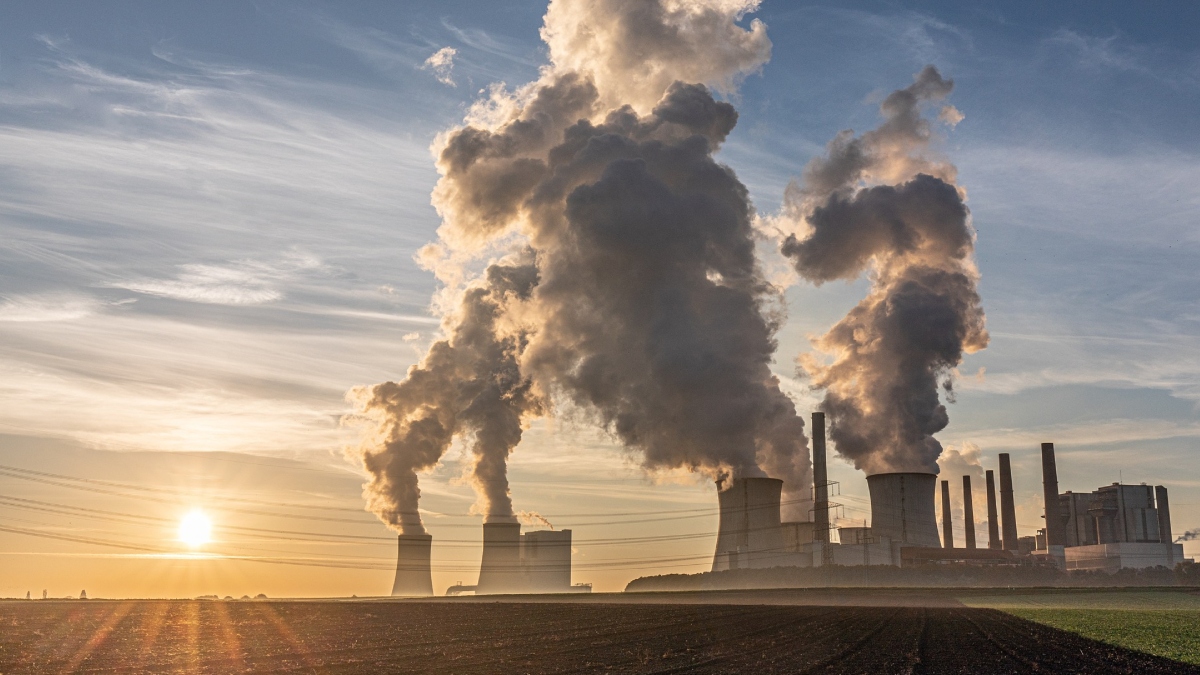
India is building a system that puts a price on some pollution.
Companies that pollute less than their targets can earn tradable carbon certificates.
Companies that miss their targets may need to buy certificates.
The system could now affect how Indian goods are treated in other countries.
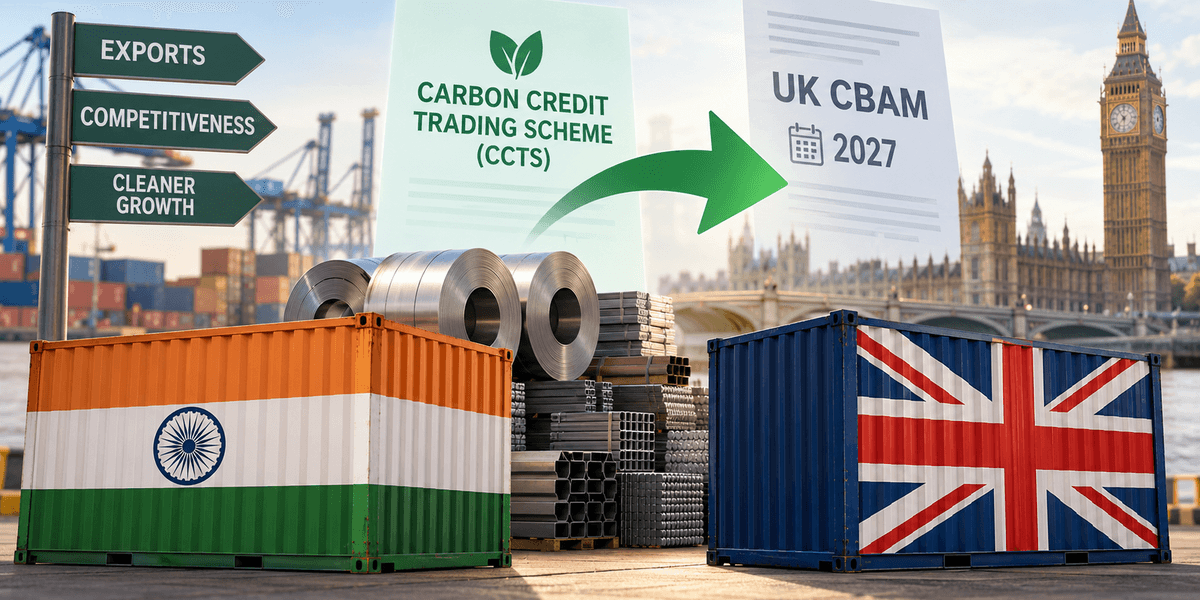
The United Kingdom may allow some credit for carbon costs already paid in India when its border carbon rules begin in 2027.
This could matter to exporters of steel, aluminium, cement, fertilisers and hydrogen.
Experts say the system must have accurate data, strong checking and firm enforcement.
Otherwise, it may become only a paperwork exercise instead of encouraging cleaner investment.

The United Kingdom has recognised India’s Carbon Credit Trading Scheme among carbon-pricing mechanisms eligible for potential relief under its Carbon Border Adjustment Mechanism from January 2027.
Carbon costs paid in India could reduce exporters’ UK liabilities for covered goods, subject to verification, recognition and emissions-coverage rules.
India has notified emissions-intensity targets for nearly 490 obligated entities across seven energy-intensive sectors and registered more than 40 offset-project entities.
The government is linking carbon-market development with trade policy, including consultations on global carbon pricing, border measures and future free-trade agreements.
Analysts say the market’s success will depend on credible targets, reliable emissions data, independent verification, enforcement and sufficient trading liquidity.
- Who
- The Government of India, Indian industrial companies, exporters, carbon-market participants and overseas regulators, including the United Kingdom.
- What
- India’s Carbon Credit Trading Scheme is expanding from a domestic compliance system into a tool connected to trade, exports and industrial competitiveness.
- Where
- India, with implications for Indian exports to the United Kingdom and other overseas markets.
- When
- The Indian Carbon Market portal was launched in March; trade consultations began in July 2026, and the United Kingdom’s Carbon Border Adjustment Mechanism is scheduled to apply from January 1, 2027.
- Why
- To help manage emissions obligations, influence industrial investment and potentially reduce overseas carbon-border liabilities when carbon costs have been paid and verified in India.
Market Supporters
Market Critics
Trade and export benefits
Market Supporters
Supporters say recognition of India’s carbon-pricing system by the United Kingdom could help Indian exporters receive credit for carbon costs already paid domestically.
Market Critics
Critics note that relief would not be automatic and would depend on the carbon price paid, emissions covered and independently verified records.
Impact on industrial investment
Market Supporters
Supporters argue that a credible domestic carbon price could influence industrial behaviour and guide investment in sectors such as steel, aluminium, cement and fertilisers.
Market Critics
Critics warn that weak targets or poor enforcement could leave the system as an administrative compliance exercise rather than a meaningful signal for capital-intensive investment.
Market functioning
Market Supporters
Supporters see wider participation and international recognition as opportunities to deepen trading, improve liquidity and support hedging.
Market Critics
Critics highlight price-discovery and enforcement risks, including the earlier Perform, Achieve and Trade regime’s increase in non-compliance from 9% in Cycle I to about 56% in Cycle II.
Key facts
- UK recognition
- The United Kingdom has recognised India’s Carbon Credit Trading Scheme among carbon-pricing mechanisms that may qualify for Carbon Border Adjustment Mechanism relief.
- UK mechanism start
- The United Kingdom’s Carbon Border Adjustment Mechanism is scheduled to apply from January 1, 2027.
- Covered imports
- The article identifies iron and steel, aluminium, cement, fertilisers and hydrogen as covered import categories.
- Registered entities
- More than 40 entities have submitted offset projects in biogas, hydrogen and forestry.
- Compliance coverage
- Emissions-intensity targets have been notified for nearly 490 obligated entities across seven energy-intensive sectors.
- Market architecture
- The government launched the Indian Carbon Market portal in March and has notified nine methodologies.
- Key risks
- Analysts identified weak target stringency, monitoring, reporting, verification, enforcement and market liquidity as major challenges.
Quotes
Manish Dabkara
Chairman and managing director of EKI Energy Services and president of the Carbon Markets Association of India
“The UK decision is an important signal that India’s carbon-pricing framework can have relevance beyond its borders.”
 financialexpress.com
“International recognition will ultimately follow credibility”
financialexpress.com
Sources
Related news
UK Recognises India’s Carbon Scheme, Easing CBAM Burden for Exporters

Green Hydrogen Could Recast India-EU CBAM Challenge Into Opportunity

India Urged to Help Shape CBAM Rules Through Consultation

BRICS Ministers Reject EU Carbon Border Tax as Discriminatory

India–UK CETA Opens Trade and Investment Opportunities for MSMEs

India-UK CETA Opens Growth Opportunities for Haryana Industries

Women Leadership Conclave in Indore Fosters Empowerment