2 hrs ago
Study Finds Heavy Metals in Nearly All Tested Cat Foods
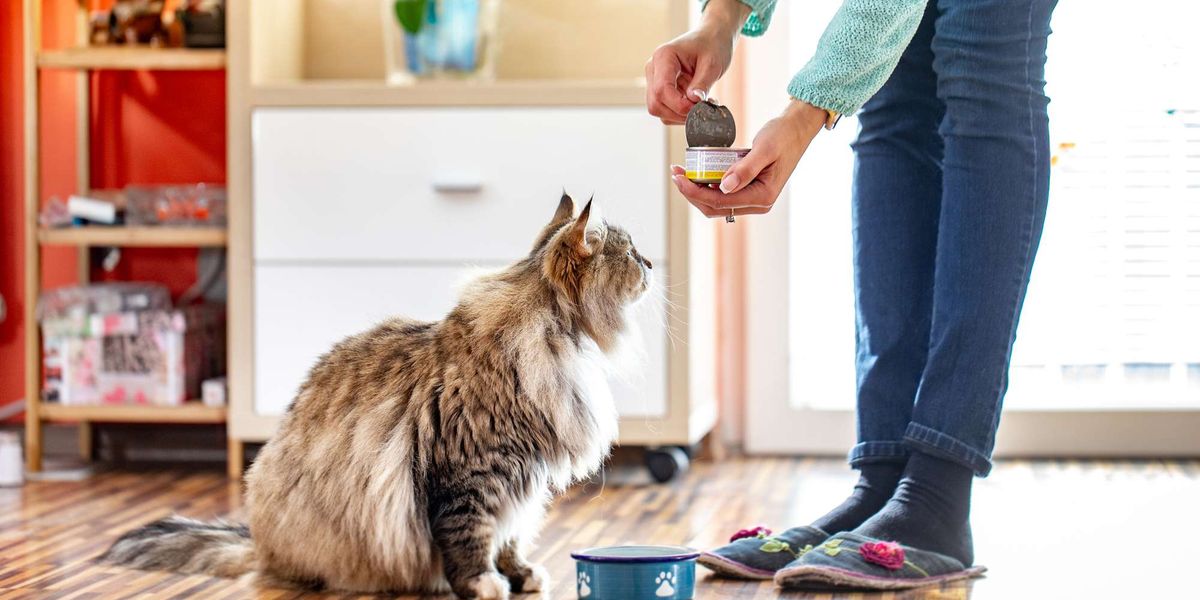
Researchers tested 100 kinds of cat food for many unwanted chemicals.
Almost every sample had tiny detectable amounts of lead, cadmium, or arsenic.
Some foods also contained pesticides or chemicals linked to plastic packaging.
Dry food had more lead, while fish-based food generally had more mercury and cadmium.
However, finding a chemical does not automatically mean the food will make a cat sick.
The study did not compare the results with a safety limit for each cat.
It also tested only one batch of each product, so other batches could be different.
The researchers want manufacturers to explain how often they test their food, while industry representatives say the findings need more safety context.

Clean Label Project tested 100 top-selling cat foods from 62 brands for more than 122 contaminants.
Lead appeared in 99% of samples, while cadmium appeared in 96% and arsenic in 94%.
Dry food contained roughly three times more lead than wet or air-dried products, while seafood foods had higher mercury and cadmium levels.
Glyphosate was detected in 37% of products, and the plasticizer DEHP appeared in about half of the samples.
Researchers said detection alone does not prove harm, and the study tested only one batch of each product.
- Who
- Clean Label Project researchers tested commercial cat foods; the Pet Food Institute provided an industry response.
- What
- An investigation found detectable traces of heavy metals and other contaminants in nearly all 100 tested cat-food products.
- Where
- The products were bought at retail, and testing was conducted by Ellipse Analytics.
- When
- The report describes a new investigation; an exact publication date is not specified.
- Why
- The investigation examined contaminants in cat food and raised questions about testing, supply chains, regulation, and consumer information.
Contamination concerns
Industry and safety-context view
Meaning of detected chemicals
Contamination concerns
Clean Label Project researchers say repeated exposure may matter because many cats eat the same food daily, and they call for greater scrutiny of testing and supply chains.
Industry and safety-context view
The Pet Food Institute says trace detection alone does not demonstrate harm and that results should be assessed using sampling details, analytical methods, serving sizes, and established safety thresholds.
Product safety
Contamination concerns
The investigation identified contaminants across wet, dry, air-dried, freeze-dried, natural, and premium foods, raising concerns about what consumers are told about testing.
Industry and safety-context view
The Pet Food Institute says manufacturers use food-safety systems involving ingredient specifications, supplier verification, testing, traceability, and preventive controls.
Glyphosate risk
Contamination concerns
The International Agency for Research on Cancer classified glyphosate as probably carcinogenic to humans in 2015, and the study linked higher detected levels with more plant ingredients.
Industry and safety-context view
The United States Environmental Protection Agency has reached a different assessment of glyphosate, illustrating that its health effects remain contested.
Key facts
- Products tested
- 100 cat foods from 62 brands
- Contaminants screened
- More than 122
- Lead detection
- 99% of samples
- Cadmium detection
- 96% of samples
- Arsenic detection
- 94% of samples
- Glyphosate detection
- 37% of samples
- DEHP detection
- About half of samples
- Study limitation
- Each product came from a single batch, and detection did not establish that the food would cause harm
Quotes
Molly Hamilton
Executive director of Clean Label Project and an author of the report
“Cat owners should feel confident that the food they feed their pets is safe and produced according to rigorous regulatory and quality standards.”
 easterneye.biz
“It was detected in about half of the products tested, with the highest levels in canned and pouch products.”
easterneye.biz
Sources
Related news
Maharashtra FDA Focuses Scrutiny On Infant Nutrition Products
Heavy metals in Yamuna vegetables raise food safety concerns
FSSAI Suspends Two Food Firms Over Serious Safety Violations

FSSAI Recalls Two More Food Products Over Safety Concerns

Expert Explains How Ultra-Processed Foods May Affect Health
Maharashtra FDA Suspends Kyani Licence After Hygiene Violations