2 hrs ago
Why Engagement Without Conditions Can Normalize Hostile Regimes

Some governments that treat their people harshly are being welcomed back into international diplomacy.
The Taliban now has contacts and agreements with several countries, even though it still restricts women and girls.
Myanmar’s military leaders are also seeking recognition after taking power in a 2021 coup.
Countries say they need to talk with these regimes about borders, security, trade, refugees, and disasters.
The article says talking is not always wrong.
However, it argues that deals should come with demands for better behavior.
Otherwise, abusive leaders may think they can keep their power without changing.
Countries can communicate about practical issues without officially recognizing a government as legitimate.
The author’s main point is that engagement should be conditional rather than automatic normalization.

The Taliban has gained diplomatic and economic ties despite continuing repression and alleged links to al-Qaeda.
Myanmar’s military junta has pursued international legitimacy after the 2021 coup and amid a devastating conflict.
The author argues that engagement can be necessary, but normalization should carry conditions and costs.
India and some ASEAN members maintain or expand contacts with Myanmar’s junta for security and practical reasons.
Experts cited recommend distinguishing technical communication from formal recognition of a regime’s legitimacy.
- Who
- The Taliban, Myanmar’s military junta led by Min Aung Hlaing, and governments engaging with them, including India and some ASEAN members.
- What
- The article examines the growing diplomatic normalization of hostile regimes and argues for conditional engagement rather than unconditional acceptance.
- Where
- Afghanistan, Myanmar, and diplomatic settings across Asia, including India, Southeast Asia, China, and the United Nations.
- When
- The discussion focuses on developments since the Taliban seized Kabul and Myanmar’s February 2021 coup; recent meetings mentioned include July and the current United Nations General Assembly week.
- Why
- Governments cite security, trade, border management, refugee movements, humanitarian issues, and other national interests, while the article warns that unconditional engagement reduces pressure for reform.
Conditional Engagement
Pragmatic Normalization
How to deal with hostile regimes
Conditional Engagement
Governments should maintain practical communication on borders, aid, disasters, and security while making clear that such contact is not formal recognition and should be tied to human-rights or political conditions.
Pragmatic Normalization
Governments may prioritize national security, trade, regional stability, and humanitarian access even when the other side has a poor rights record; dialogue and agreements can proceed without waiting for reform.
Relations with Myanmar’s junta
Conditional Engagement
India and ASEAN should avoid actions that help the military portray itself as legitimate, and should demand meaningful concessions such as access to Aung San Suu Kyi or political progress.
Pragmatic Normalization
Regional governments have practical reasons to engage the junta, including their shared border, weapons and drug trafficking, refugee movements, and efforts to address the political and humanitarian crisis.
Key facts
- Taliban diplomacy
- Taliban-appointed diplomats control missions in a growing number of countries, including China and the United Arab Emirates, according to the article.
- Taliban conduct
- The article says the regime’s repression, ties with al-Qaeda, and treatment of women and girls continue.
- Myanmar conflict toll
- More than 100,000 people have been killed and 5.2 million displaced since the February 2021 coup, according to the article.
- Myanmar military control
- The military was described as controlling as little as a quarter of the country.
- Min Aung Hlaing’s diplomacy
- Myanmar’s military leader visited China, Russia, Belarus, Thailand, Vietnam, Laos, Cambodia, and India in a bid for legitimacy.
- India-Myanmar ties
- India has maintained diplomatic, military, and economic contacts with Myanmar’s junta.
- Core argument
- Engagement is not inherently the problem; normalization without conditions is.
Sources
Related news
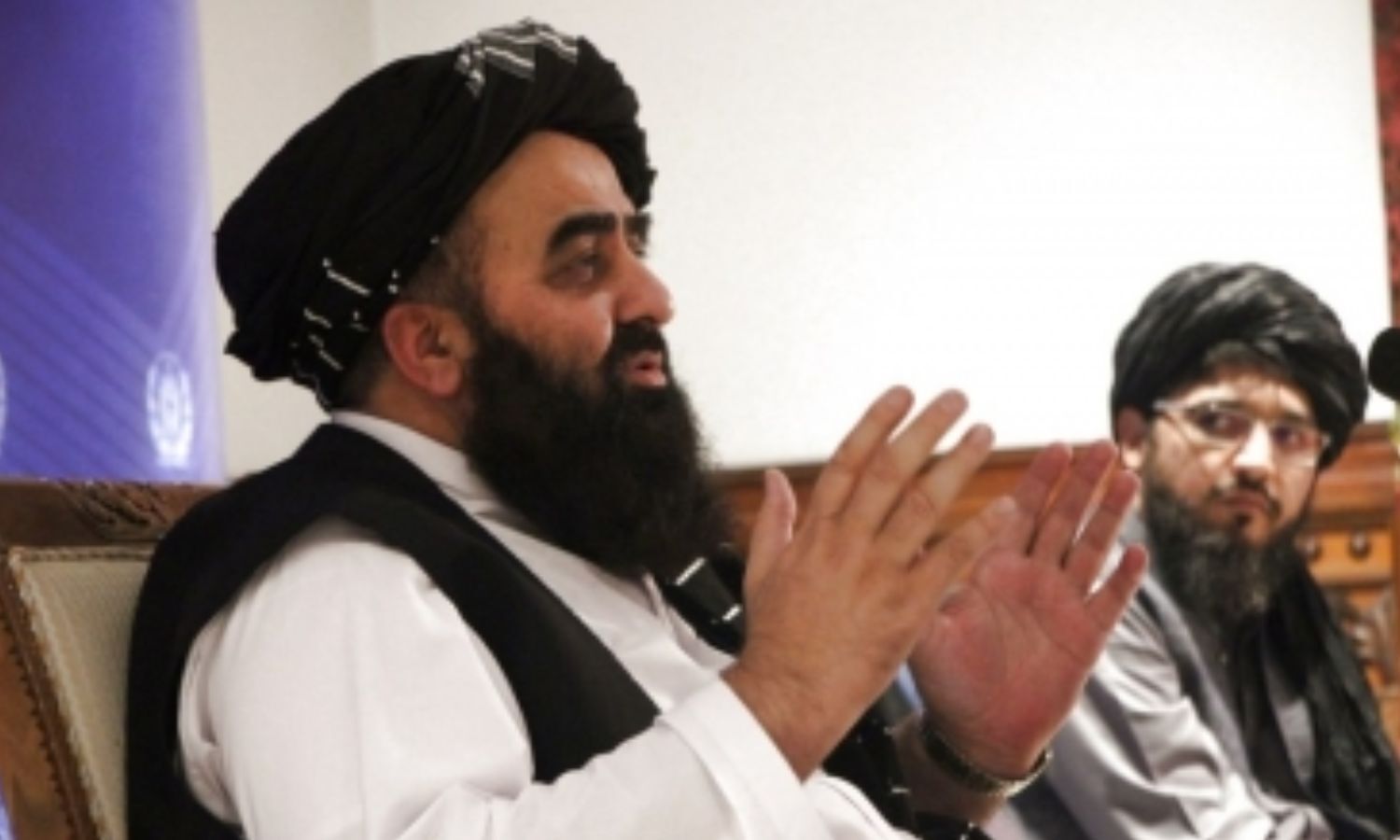
Taliban Seeks Global Engagement Amid Sanctions and Rights Concerns
Myanmar Frees U.S. Businessman After Rare U.S. Visit
Myanmar Government Revokes UN Envoy Kyaw Moe Tun’s Status
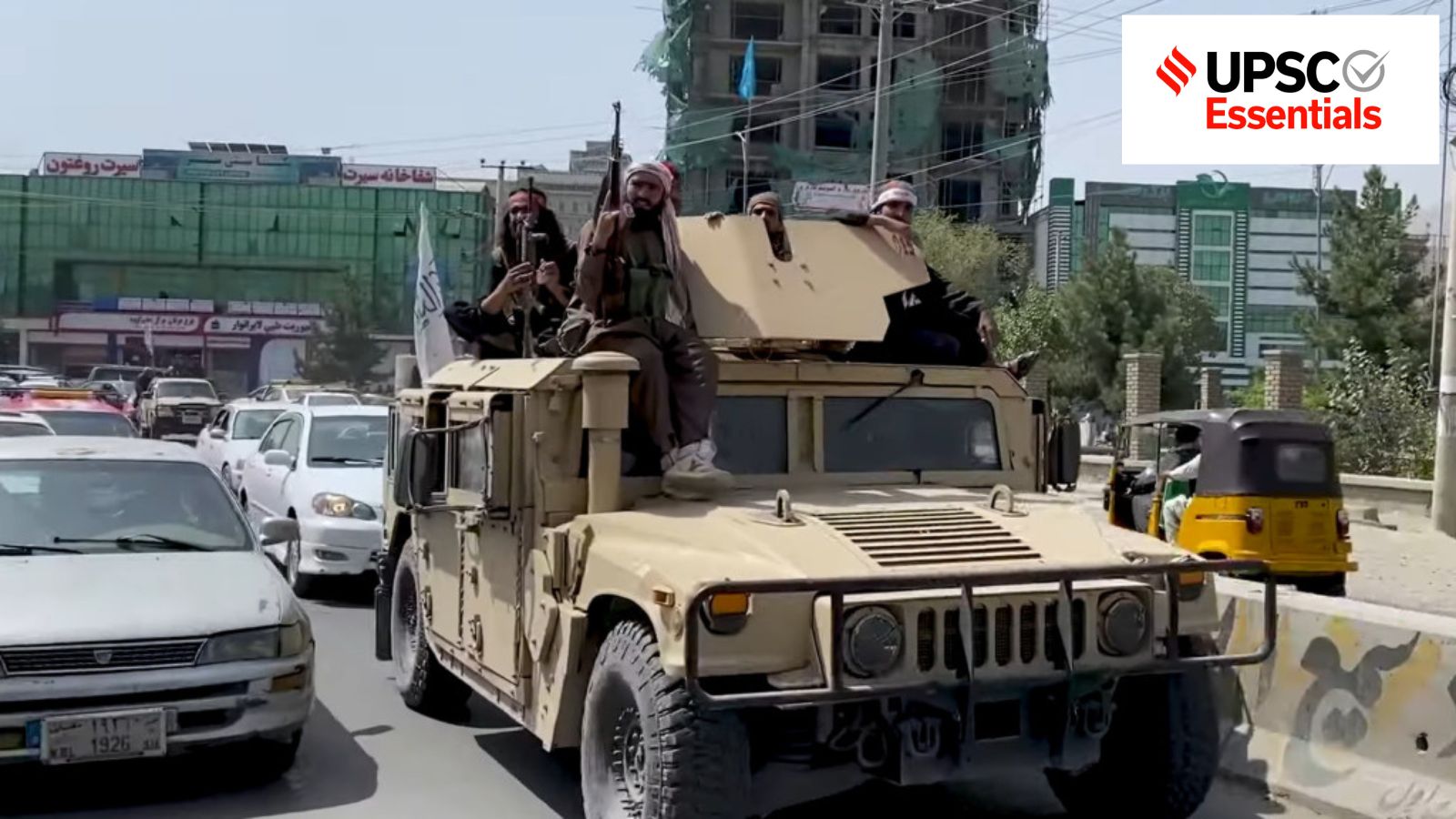
How India’s Taliban Approach Reflects Principled Pragmatism in Afghanistan
Myanmar Leader Begins Vietnam Visit Seeking Economic and Regional Ties

US Secures American Citizen’s Release During Myanmar Meetings
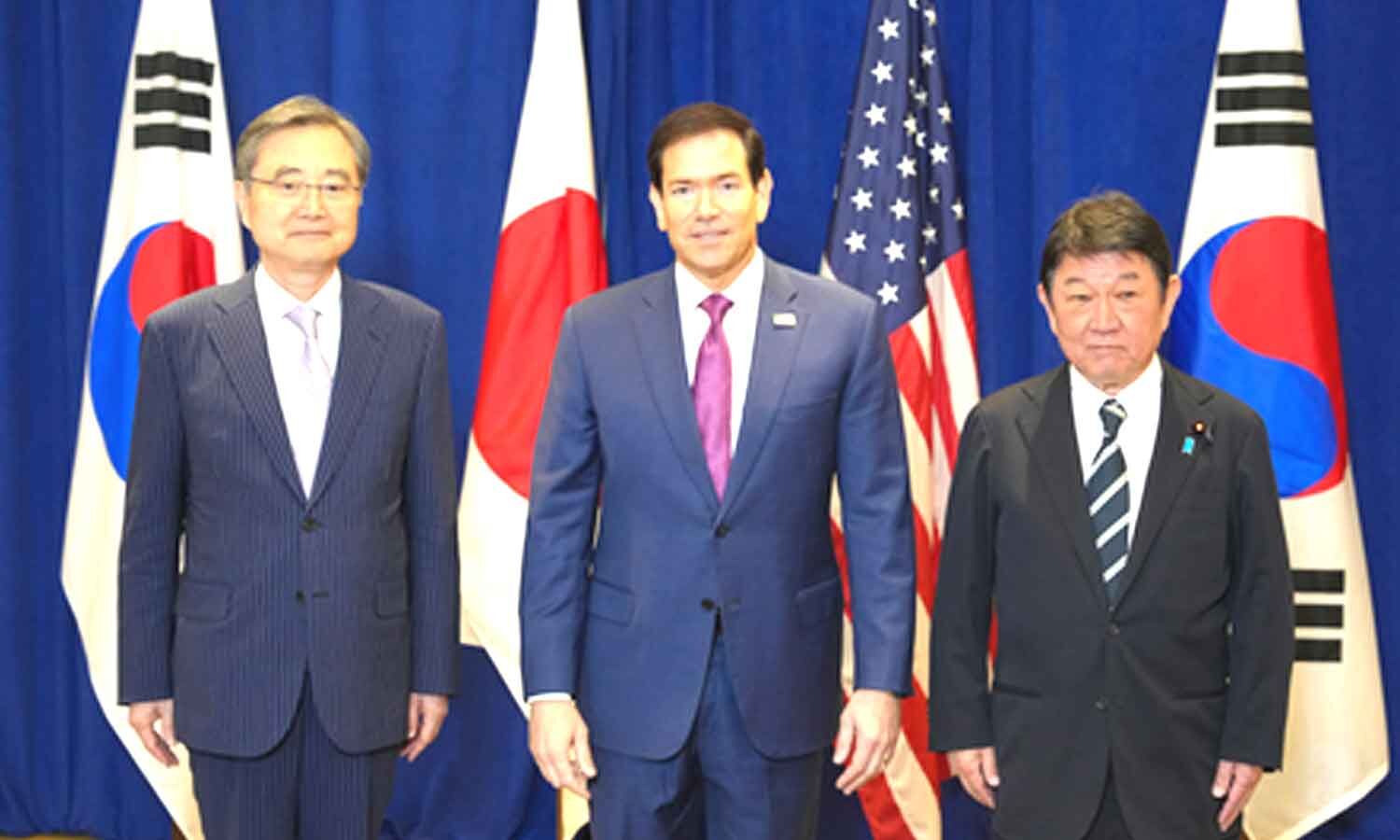
South Korea, US and Japan Renew North Korea Dialogue Push

Indian Navy Ships Join ASEAN Maritime Activity in Philippines
India’s exports accelerate as free trade agreements expand market access

Niti Aayog Urges Export Diversification Amid External Headwinds