11 months ago
EU's Digital Border System Rollout Anticipated to Avoid UK Delays

The EU is launching a new digital border system called EES.
This system will replace passport stamping for non-EU visitors.
Beginning October 12, travelers will need to register at the border by scanning their passports and providing fingerprints and a photo.
The new system will be gradually introduced over six months.
This is to help the EU track how long people stay and improve border security.
The Eurotunnel operator is confident that it won't cause delays.
Initially, the checks will be for freight and coach traffic.
Passenger vehicles will be checked later.
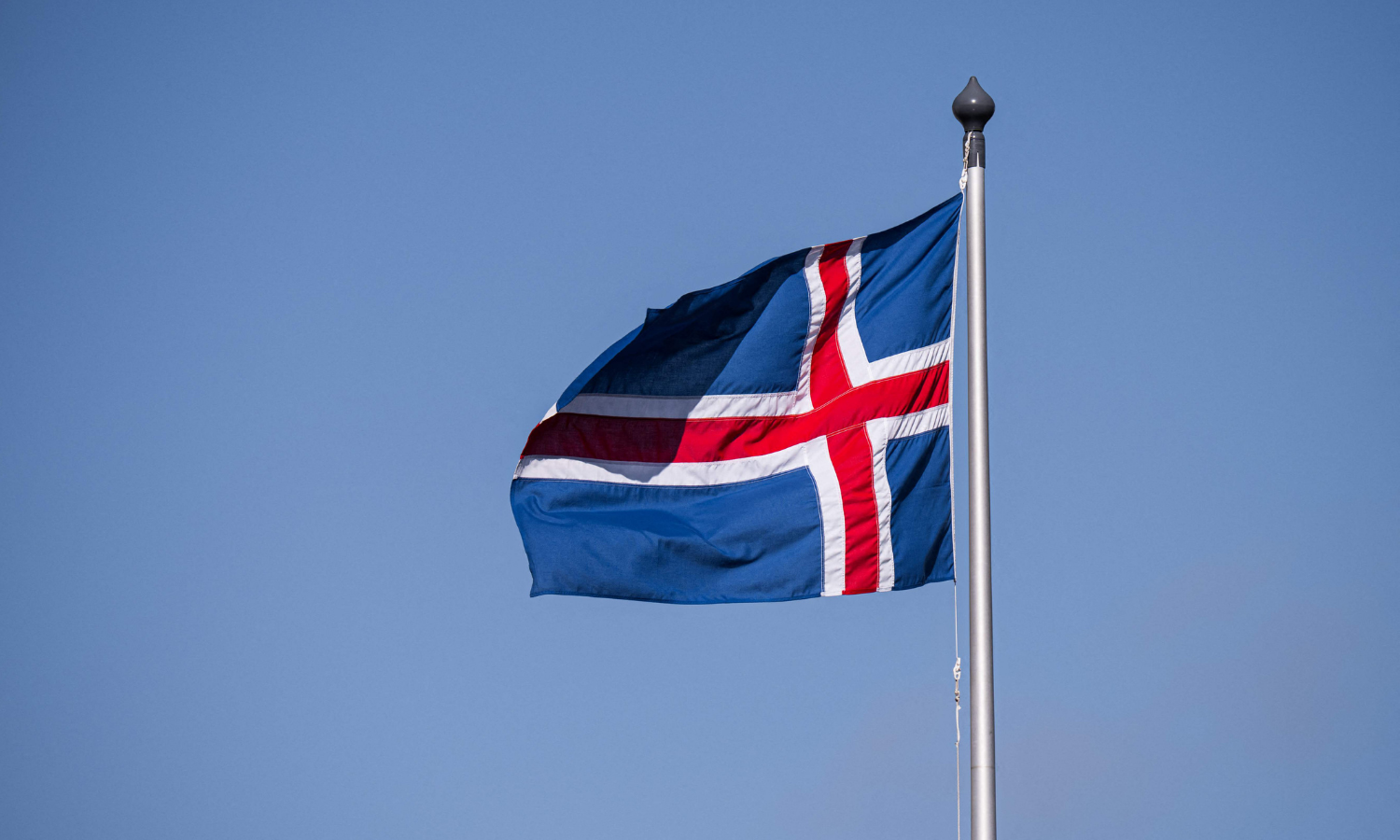
The system applies to the Schengen area, which includes countries like Iceland and Switzerland, but not Ireland and Cyprus.

The EU is launching its Entry/Exit System (EES) to replace passport stamping for non-EU citizens.
The system requires travelers to register at the border, providing fingerprints and a photo.
The rollout will be phased over six months to avoid delays.
Freight and coach traffic at Eurotunnel and Dover will be checked first.
The system aims to track compliance with the 90-day visa-free travel rule and strengthen border controls.
- Who
- The EU, UK and non-EU citizens
- What
- Phased rollout of the Entry/Exit System (EES) for border checks.
- Where
- Eurotunnel, Port of Dover, and other EU borders.
- When
- Starting October 12, with a six-month rollout.
- Why
- To track non-EU citizens' compliance with visa rules and strengthen border controls.
Key facts
- System Name
- Entry/Exit System (EES)
- Implementation Start
- October 12
- Target Users
- Non-EU citizens
- Duration of Phased Rollout
- Six months
- Affected Locations (Initially)
- Freight and coach traffic at Eurotunnel and Port of Dover
- Geographic Scope
- Schengen Area (excluding Ireland and Cyprus)
- Associated System
- European Travel Information and Authorisation System
Quotes
Yann Leriche
CEO of Eurotunnel operator Getlink
“If there is any unforeseen issue in the field… the authorities will decide to go as slow as needed to make it work, so that after six months it will be perfectly manageable.”
 theprint.in
“You will not see any delays because it will be a gradual introduction of EES … We are very confident there will be no issue”
theprint.in
Sources
Related news

Bhavana Reddy Brings Kuchipudi Performances to Iceland, Germany
Iceland Rejects EU Talks, Putting Membership Debate On Ice

Iceland Rejects Restarting EU Talks in Close-Fought Referendum

Iceland Votes in Tight Referendum on Reopening EU Membership Talks
Iceland’s EU Talks Referendum Remains Too Close to Call