

11 hrs ago
Why Degrees Alone Cannot Secure India's Demographic Dividend

A college degree does not automatically lead to a good job.
Young people also need chances to use what they have learned.
Some graduates may need more practice, but others may be unable to find suitable jobs.
Pay, location, working conditions, and access to work experience can matter too.
Schools can help students learn by solving real problems.
Colleges can connect learning with practical projects and research.
The authors also suggest paid, supervised placements with employers.
Universities should work with businesses and public institutions on research.
The authors say education, workplaces, and research must work together so young people can contribute.

India’s young graduates need both usable capabilities and suitable work opportunities to benefit from the demographic dividend.
The India Employment Report 2024 estimated unemployment among young graduates at 29.1% in 2022, but that figure alone does not prove graduates lack ability.
Wages, location, working conditions, professional networks, and access to work experience can also shape employment outcomes.
India’s R&D expenditure rose from 0.64% of GDP in 2020–21 to 0.84% in 2023–24, while researchers per million people increased from 262 to 354.
The authors recommend inquiry-based learning, paid and supervised work placements, and lasting research partnerships among universities, employers, and public institutions.
- Who
- Young Indians, alongside schools, universities, employers, research institutions, and policymakers.
- What
- The authors argue that degrees alone will not secure India’s demographic dividend and propose connecting education, employment, and research.
- Where
- India.
- When
- The article cites graduate unemployment in 2022 and R&D figures for 2020–21 and 2023–24.
- Why
- Young people need both capabilities they can use productively and suitable opportunities to apply them.
Key facts
- Young graduate unemployment
- Estimated at 29.1% in 2022 by the India Employment Report 2024.
- Report authors
- The International Labour Organisation and the Institute for Human Development.
- R&D expenditure
- Rose from 0.64% of GDP in 2020–21 to 0.84% in 2023–24.
- Researchers per million
- Increased from 262 to 354.
- Suggested work experience
- Paid and supervised placements with a learning plan, workplace mentor, and academic supervisor.
- Research partnerships
- The authors call for sustained collaborations around clearly identified problems, with reliable funding and shared responsibility.
Sources
Related news

India’s Education System Needs Reform to Close Employment Gap
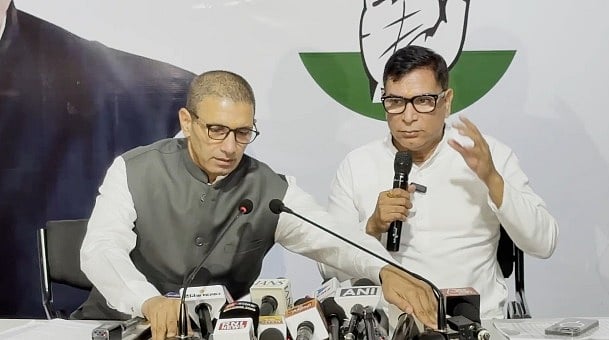
Jitu Patwari Says Education System Fails Demographic Dividend

AI May Widen India’s Skills and Jobs Mismatch
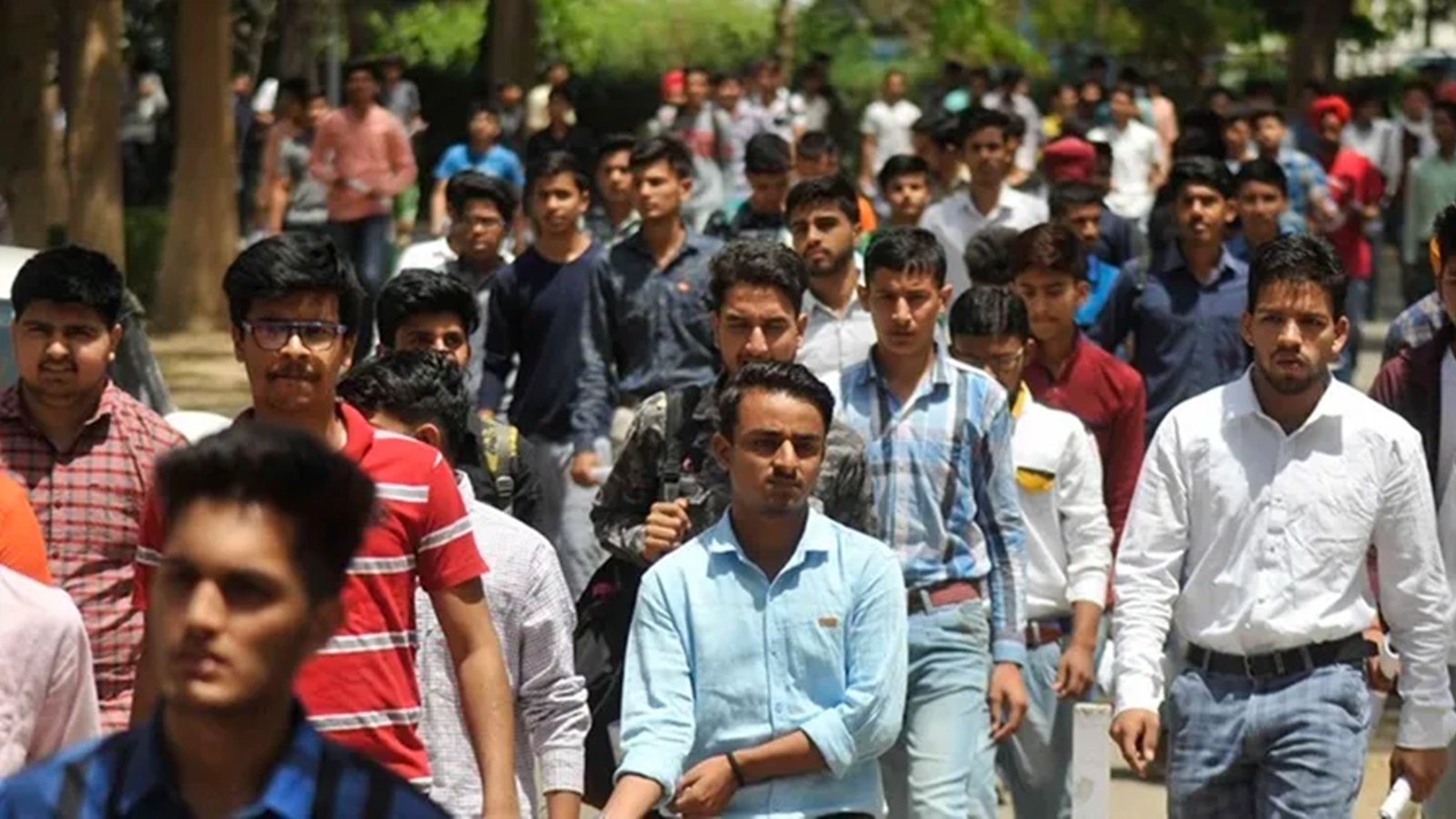
Cash Transfers Offer Temporary Relief, Not Solutions to Educated Unemployment

Higher Education Adapts to Changing Workforce Skill Demands

Universities Urged to Prepare Students for an Evolving World

World Teachers’ Day 2026 Marks 60 Years of Teacher Protections

World Teachers’ Day Marks 60 Years of Teacher Standards

Goyal Urges Evidence-Based Trade Measures Against Forced Labour
